
Phuket remains Thailand’s most visited island destination, attracting millions of travelers annually with its combination of stunning coastlines, cultural landmarks, and diverse activities. Whether you’re planning your first visit or returning to explore new areas, understanding the island’s geography, seasonal patterns, and practical logistics will significantly enhance your experience. This comprehensive Phuket travel guide covers essential information to help you navigate the island effectively and make informed decisions about where to stay, what to see, and how to spend your time.
Understanding Phuket’s Geography and Main Areas
Phuket is Thailand’s largest island, measuring approximately 48 kilometers in length and 21 kilometers at its widest point. The island connects to mainland Thailand via the Sarasin Bridge and features distinct regions, each offering different atmospheres and advantages for travelers.
West Coast Beach Areas
The western coastline hosts the majority of Phuket’s famous beaches and developed tourism infrastructure. Patong Beach serves as the commercial center with extensive nightlife, shopping, and dining options. Moving north, Kamala Beach offers a quieter atmosphere while maintaining good amenities. Surin and Bang Tao beaches cater primarily to upscale travelers, with Bang Tao’s Laguna complex housing multiple resort properties.
Further south, Kata and Karon beaches provide middle-ground options between Patong’s intensity and more remote areas. Both beaches feature quality sand, swimming conditions, and sufficient restaurants and services without overwhelming development.
Southern and Eastern Regions
Phuket’s southern tip includes Rawai and Nai Harn. Rawai functions more as a local residential area and long-stay expat community rather than a typical beach destination, though it provides excellent seafood restaurants and serves as the departure point for nearby island trips. Nai Harn Beach offers one of the island’s most scenic bays, particularly popular with swimmers during the high season.
The eastern coast faces the mainland and features primarily mangrove areas and working piers rather than beach development. Phuket Town, the island’s administrative capital, sits on the eastern side and represents the cultural heart of Phuket with Sino-Portuguese architecture, local markets, and authentic Thai restaurants.
When to Visit Phuket: Seasonal Considerations
Phuket’s tropical climate creates distinct seasons that significantly impact travel experiences, pricing, and available activities.
High Season (November to April)
This period delivers the most reliable weather conditions with minimal rainfall, calm seas, and consistent sunshine. December through February represents peak tourism months with maximum crowds and highest accommodation rates. Beach conditions remain excellent throughout this season, and all water activities operate normally.
Temperature ranges typically between 23°C and 33°C (73°F to 91°F), with lower humidity compared to other months. Advance booking becomes essential during this period, particularly for Christmas, New Year, and Chinese New Year holidays when prices increase substantially.
Shoulder Season (May and October)
These transitional months offer potential value for flexible travelers. May marks the beginning of the monsoon season, but significant rainfall often doesn’t establish until later in the month. October sits at the end of the rainy season and can provide excellent conditions if weather cooperates.
Accommodation rates drop noticeably, tourist numbers decrease, and many attractions become more accessible without crowds. However, weather remains unpredictable, and some beach clubs or water sports operators may have limited schedules.
Low Season (June to September)
The southwest monsoon brings regular rainfall, rougher seas, and occasional storm systems. While not experiencing constant rain, you should expect frequent showers and overcast conditions. Sea conditions often become unsuitable for swimming at many west coast beaches, with red flag warnings common.
Despite weather challenges, this season presents advantages for budget-conscious travelers and those prioritizing cultural experiences over beach activities. Hotel rates reach their lowest points, restaurants offer promotions, and Phuket Town’s attractions remain fully operational. Indoor activities, spa treatments, and island exploration by car work well during rainy periods.
Things to Do in Phuket: Activities and Attractions

Phuket provides diverse activities beyond beach relaxation, accommodating various interests and travel styles.
Water-Based Activities
Island Hopping Tours
Phi Phi Islands represent the most popular day trip destination from Phuket, though they require early morning departures and full-day commitments. Tours typically visit Maya Bay, Pileh Lagoon, and Viking Cave, with snorkeling opportunities at several points. Be prepared for crowds, particularly during high season.
James Bond Island (Khao Phing Kan) in Phang Nga Bay offers a completely different experience, featuring dramatic limestone formations and kayaking through cave systems and mangroves. These tours generally include visits to Koh Panyee, a Muslim fishing village built on stilts.
Similan Islands and Surin Islands provide Phuket’s best snorkeling and diving conditions, though they require longer boat journeys and are only accessible from approximately October to May. These national park destinations maintain stricter visitor limits and offer superior marine biodiversity compared to closer islands.
Diving and Snorkeling
Phuket serves as a major diving hub with numerous operators offering both day trips and certification courses. Local dive sites around Racha Islands suit beginners and provide good visibility most of the year. Advanced divers often choose multi-day liveaboard trips to the Similan Islands, Burma Banks, or Richelieu Rock.
Snorkeling remains accessible directly from several beaches including Kata, Freedom Beach, and Yanui Beach, though conditions vary seasonally. Organized snorkeling tours generally deliver better experiences than shore snorkeling in Phuket, as they access superior locations with better coral health and fish populations.
Water Sports
Major beaches offer standard water sports including jet skiing, parasailing, kayaking, and stand-up paddleboarding. Kata Beach has established itself as Phuket’s primary surfing location, with surf schools operating year-round and best waves arriving during the monsoon season (May to October).
Wakeboarding and cable skiing facilities operate at several inland lakes, providing alternatives to ocean activities during rough sea conditions.
Cultural and Historical Experiences

Phuket Old Town
The historical district centered around Thalang Road showcases well-preserved Sino-Portuguese architecture dating from Phuket’s tin mining prosperity period. This area rewards exploration on foot, with numerous heritage buildings converted into cafes, galleries, and boutique hotels.
Sunday Walking Street Market (Lard Yai) transforms Thalang Road weekly, offering local food, handicrafts, and live performances. The market operates from approximately 4:00 PM to 10:00 PM and attracts both tourists and local residents.
Several museums document Phuket’s history, including the Thai Hua Museum focusing on Chinese immigration and the Phuket Thaihua Museum examining local mining heritage. These provide context for understanding the island’s multicultural development.
Temples and Spiritual Sites
Wat Chalong ranks as Phuket’s most important Buddhist temple and receives thousands of daily visitors. The temple complex includes multiple buildings, with the Grand Pagoda housing a bone fragment of Buddha. Appropriate dress (covered shoulders and knees) is required.
The Big Buddha stands 45 meters tall atop Nakkerd Hills, offering panoramic island views. The site remains free to visit, though donations support ongoing construction. Sunset visits combine sightseeing with excellent photography opportunities.
Wat Phra Thong houses a partially buried golden Buddha image with associated legends about attempts to excavate it. This temple sees fewer tourists than Wat Chalong while maintaining significant local importance.
Family-Friendly Attractions
Phuket FantaSea operates as a theatrical theme park combining cultural shows with buffet dining and a carnival area. The main performance includes elaborate staging, animal appearances, and acrobatics centered around Thai mythology.
Phuket Elephant Sanctuary focuses on ethical elephant tourism, allowing visitors to observe and feed rescued elephants in a natural environment without riding or performance elements. Advance booking is essential, as daily visitor numbers are intentionally limited.
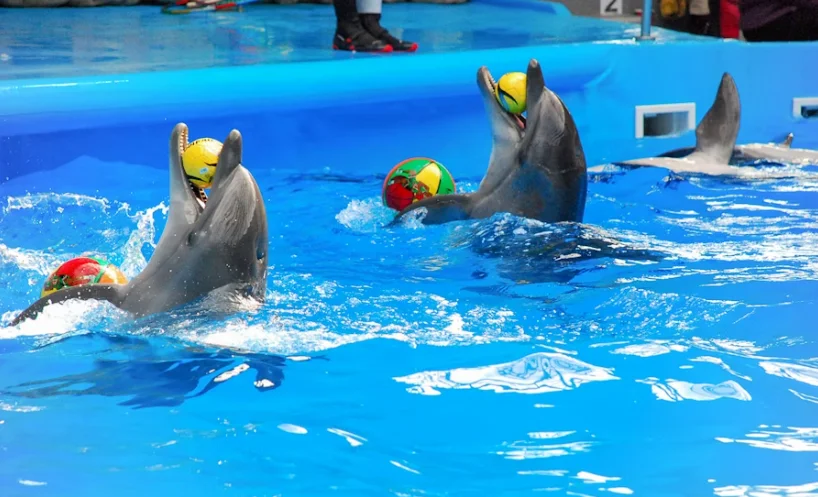
Several aquariums operate on the island, with Phuket Aquarium (part of the Marine Biological Center) offering educational exhibits about local marine ecosystems at modest admission prices.
Best Beaches in Phuket
Selecting appropriate beaches depends on your priorities regarding development levels, activities, and atmosphere.
Patong Beach
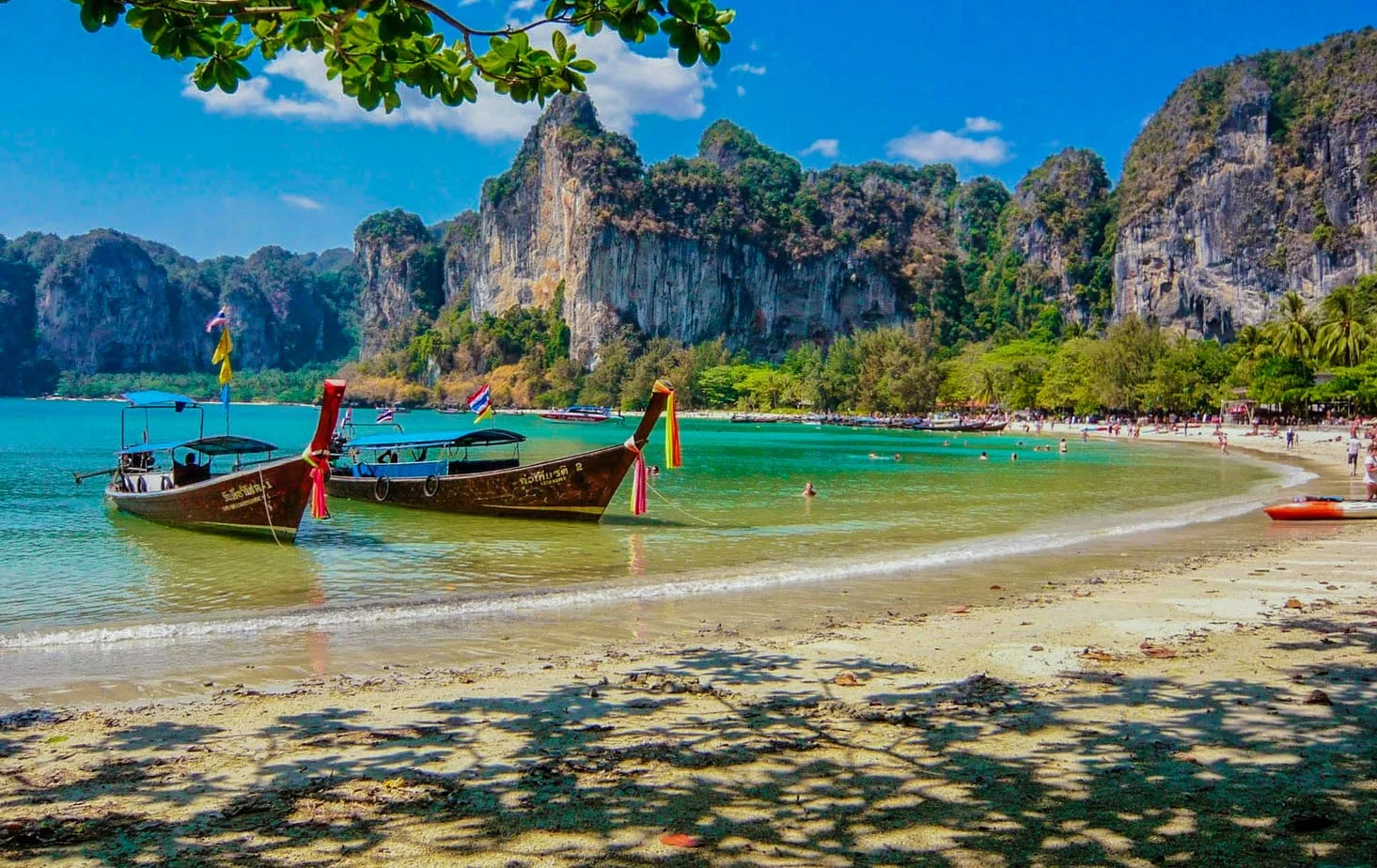
Phuket’s most developed beach stretches three kilometers and functions as the island’s entertainment center. The beach itself offers decent swimming during high season, though it lacks the scenic quality of quieter alternatives. Patong’s primary appeal lies in its concentration of restaurants, bars, shopping centers, and nightlife venues within walking distance.
Bangla Road, the nightlife epicenter, runs perpendicular to the beach and becomes pedestrianized in the evening. The area suits travelers prioritizing convenience, social atmosphere, and extensive dining options over natural beauty or tranquility.
Kata Beach
This crescent-shaped bay divides into Kata Yai (Big Kata) and Kata Noi (Little Kata), with both offering quality sand and swimming conditions. Kata Yai hosts more development with numerous restaurants, shops, and accommodation options at various price points. Kata Noi maintains a quieter character with fewer but generally upscale properties.
Kata’s consistent wave action attracts surfers during the monsoon season, and the beach serves as Phuket’s primary surf instruction location. The area provides good balance between amenities and manageable tourist density.
Nai Harn Beach
Located on Phuket’s southern tip, Nai Harn delivers one of the island’s most picturesque settings with a horseshoe bay surrounded by hills. The beach maintains a local feel despite tourism development, partly because surrounding land belongs to a Buddhist monastery, limiting construction.
Swimming conditions vary seasonally, with the monsoon period bringing strong currents and undertow that make it unsuitable for inexperienced swimmers. Limited beachfront development means fewer restaurants directly on the sand, though nearby areas provide adequate dining options.
Freedom Beach
Accessible only by longtail boat from Patong or via a steep jungle path, Freedom Beach rewards the access effort with excellent sand quality and relatively clear water. The beach remains small and can feel crowded when multiple boats arrive simultaneously, but it generally maintains lower visitor numbers than main beaches.
Basic facilities include beach chairs, umbrellas, and a simple restaurant. The boat access fee typically runs around 200-300 baht round trip per person.
Surin Beach
Previously known for upscale beach clubs, Surin underwent significant changes following government enforcement of coastal land use regulations. The beach now features minimal permanent structures, creating a more natural appearance than during the beach club era.
Surin attracts a mix of day visitors and guests from nearby luxury resorts. The beach maintains good swimming conditions during high season, and temporary restaurants operate along the access road.
Practical Travel Information
Getting to and Around Phuket
Airport Transfer Options
Phuket International Airport sits in the northern section of the island, requiring 30-60 minutes to reach most beach areas depending on traffic and destination. Several transfer options exist:
- Airport Taxi Service: Official metered taxis operate from designated counters with fixed-zone pricing displayed. Expect to pay 600-1,000 baht to reach main beach areas.
- Grab Application: Ride-hailing services function at the airport, though pickup locations have changed periodically due to taxi driver disputes.
- Hotel Transfers: Many accommodations arrange private pickups, with pricing varying by property.
- Shared Minivans: Budget option involving multiple stops, though this can extend travel time significantly.
Local Transportation
Phuket lacks comprehensive public transportation, creating challenges for budget travelers and those without personal vehicles.
Songthaews (shared pickup trucks) run limited routes between Phuket Town and major beaches, though schedules are irregular and service becomes sparse after mid-afternoon. Tuk-tuks offer point-to-point service but charge premium rates, particularly for beach-to-beach transfers. Always establish the price before departure, as meters are not used.
Motorbike taxis provide quick transportation for short distances and single passengers. Drivers wear colored vests and congregate at established stands.
Motorcycle rentals remain popular despite safety concerns. Rental rates start around 200-300 baht daily for automatic scooters. Ensure you possess appropriate licensing and understand that medical insurance often excludes motorcycle-related injuries. Helmet use is legally required and practically essential.
Car rentals offer the most flexibility for exploring Phuket thoroughly, with rates beginning around 1,000 baht daily for basic vehicles. International rental companies and local operators both function on the island.
Accommodation Considerations
Phuket’s accommodation spans extreme budget to ultra-luxury categories. Location selection significantly impacts your overall experience and transportation costs.
Beach Location vs. Phuket Town
Staying directly on your preferred beach maximizes beach time and reduces daily transportation needs, but typically costs more than Phuket Town alternatives. Phuket Town accommodations offer better value, authentic dining options, and cultural atmosphere but require transportation to reach beaches.
Booking Timing
High season (December-February) requires advance booking to secure preferred properties at reasonable rates, particularly during holiday periods. Low season offers flexibility for last-minute bookings and negotiation opportunities, especially for extended stays.
Dining in Phuket

The island’s food scene reflects its multicultural history and tourist development, creating options ranging from street food to fine dining.
Local Cuisine Areas
Phuket Town provides the most authentic local dining experiences, with specialties including:
- Mee Hokkien: Yellow noodles with pork and seafood in rich gravy
- Oh Aew: Shaved ice dessert with grass jelly and various toppings
- Roti: Muslim-influenced stuffed flatbread available sweet or savory
- Dim Sum: Reflecting Chinese heritage, particularly at morning markets
Rawai seafood restaurants allow you to select fresh seafood and specify cooking preparations. While prices exceed typical Thai restaurant rates, the quality and freshness justify the premium for seafood enthusiasts.
Tourist Area Dining
Beach areas offer extensive international cuisines alongside Thai options, with pricing generally 50-100% higher than Phuket Town equivalents for comparable quality. Most restaurants in tourist zones adjust spice levels for international palates unless specifically requested otherwise.
Safety and Health Considerations
Water Safety
Monsoon season brings dangerous swimming conditions at west coast beaches, with rip currents causing drownings annually. Flag warning systems operate at major beaches—red flags indicate swimming is prohibited. Many incidents involve tourists ignoring warnings or unfamiliarity with ocean conditions.
Road Safety
Motorcycle accidents represent the most common serious incident affecting tourists in Phuket. Inexperienced riders, unfamiliarity with left-side driving, poor road conditions, and interactions with larger vehicles all contribute to risk. Wearing helmets, avoiding night riding, and honest assessment of riding ability all reduce accident likelihood.
Health Services
Phuket hosts several international-standard hospitals including Bangkok Hospital Phuket, Phuket International Hospital, and Dibuk Hospital. These facilities handle most medical situations and maintain staff with English proficiency. Medical costs are reasonable compared to Western countries but can still be substantial—travel insurance with medical coverage is strongly recommended.
Scams and Tourist Issues
Jet ski damage scams, though less prevalent than past years, still occur occasionally. Photograph rental equipment before use and avoid renting from operators without established reputations.
Tuk-tuk price disputes happen frequently. Establish clear pricing before departure, and be prepared to walk away if prices seem excessive.
Gem scams and tailor shop tourist traps continue operating, typically involving friendly strangers directing you to specific shops. Be skeptical of unsolicited shopping recommendations from people you’ve just met.
Money Matters
Thailand’s currency is the Thai Baht (THB). Exchange rates fluctuate, but as of 2026, typically range around 32-36 baht per US dollar depending on market conditions.
Currency Exchange
Airport exchange counters offer convenience but typically provide less favorable rates than options in town. Licensed exchange booths throughout tourist areas compete on rates, which are usually displayed clearly. Banks also exchange currency during business hours.
ATMs are widely available, though most charge 220 baht per international withdrawal in addition to any fees from your home bank. Withdraw larger amounts to minimize per-transaction costs.
Payment Methods
Cash remains necessary for most small restaurants, street vendors, local transportation, and market purchases. Larger hotels, resorts, shopping centers, and tourist-oriented restaurants accept credit cards, though some add 3% surcharges for card payments.
Phuket Travel Guide FAQ
How many days should I spend in Phuket?
A minimum of four to five days allows you to experience several beaches, complete at least one island day trip, explore Phuket Old Town, and have adequate beach relaxation time. Seven to ten days provides better pace without rushing and permits exploration of more remote areas or multiple day trips. First-time visitors often benefit from longer stays to fully appreciate the island’s diversity.
Is Phuket suitable for solo travelers?
Yes, Phuket accommodates solo travelers well with extensive hostel options, easy-to-join group tours, and social beach club scenes where meeting other travelers occurs naturally. Patong specifically attracts many solo visitors due to its concentration of nightlife and social venues. Safety levels are generally good, though standard precautions regarding valuables and late-night situations apply. Solo female travelers commonly visit Phuket without specific concerns beyond normal travel awareness.
What is the average daily budget for Phuket?
Budget travelers can manage on 1,000-1,500 baht daily by staying in hostels, eating primarily street food and local restaurants, using limited transportation, and choosing free or low-cost activities. Mid-range travelers should plan for 3,000-5,000 baht daily, covering comfortable hotel rooms, mix of local and tourist restaurants, organized tours, and transportation flexibility. Luxury travelers easily exceed 10,000 baht daily with upscale accommodations, fine dining, private tours, and premium experiences. These estimates exclude international flights and major purchases.
Can I island hop from Phuket easily?
Yes, Phuket serves as an excellent base for island hopping, with regular boat services and tours to Phi Phi Islands, Racha Islands, Coral Island, and islands in Phang Nga Bay. Some islands like Koh Yao Noi and Koh Yao Yai offer overnight accommodation if you want to extend beyond day trips. Ferry services also connect Phuket to Krabi and Koh Lanta, making it possible to combine multiple destinations. During monsoon season, sea conditions may limit service or make journeys uncomfortable, and some distant islands like the Similans close entirely.
What should I pack for Phuket?
Essential items include reef-safe sunscreen (important for environmental protection), insect repellent, light breathable clothing, swimwear, and a light rain jacket if visiting during shoulder or low seasons. A sarong or light scarf proves useful for temple visits requiring covered shoulders. Comfortable walking sandals that can get wet work better than flip-flops for varied terrain. Most toiletries and forgotten items can be purchased easily and inexpensively on the island. If you plan to rent motorcycles, consider packing lightweight long pants and closed shoes for safety.
Is it necessary to rent a vehicle in Phuket?
While not absolutely necessary, having a vehicle (car or motorcycle) significantly increases flexibility and reduces transportation costs if you plan to explore beyond a single beach area. Travelers staying in one location for a beach-focused vacation can manage with taxis, Grab, or organized tours. Those wanting to beach hop, explore Phuket Town, visit multiple attractions, or discover less touristy areas will find personal transportation highly beneficial. Weigh the daily rental cost against expected taxi expenses and the value you place on independence.
Are there family-friendly areas in Phuket?
Kata, Karon, and Bang Tao beaches particularly suit families due to calmer atmospheres, quality swimming conditions during high season, and variety of family accommodation options. These areas offer nearby activities suitable for children without Patong’s nightlife intensity. Many resorts throughout Phuket provide kids’ clubs, family pools, and child-friendly dining. The island includes several family-appropriate attractions including the Elephant Sanctuary, aquariums, and cultural shows.
What is the nightlife like outside Patong?
Beach clubs and cocktail bars operate along Surin, Kamala, and Kata beaches, offering sunset viewing and evening drinks in more sophisticated settings than Patong’s Bangla Road. Phuket Town has developed a craft beer and cocktail scene with several quality establishments, though these close earlier than Patong venues. Overall nightlife options outside Patong focus more on relaxed drinking environments and dinner venues rather than late-night club scenes. Kata and Karon have moderate bar areas but nothing approaching Patong’s scale.
Professional Travel Planning Support
For travellers who prefer professional guidance or customised planning, Royal Thailand Tours offers assistance with Thailand travel planning based on individual needs. Their services include itinerary consultation, activity recommendations, and logistics coordination for those seeking expert local knowledge to enhance their Phuket experience.


