
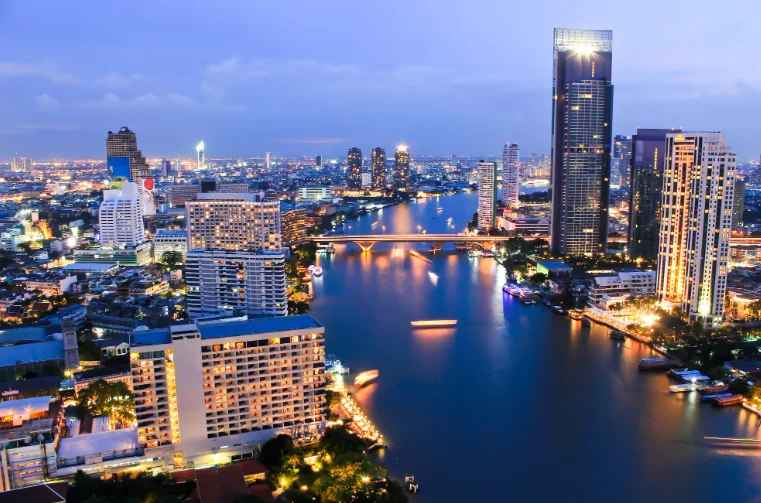
Bangkok continues to captivate millions of travellers each year with its vibrant street life, ornate temples, world-class cuisine, and chaotic yet charming energy. Whether you’re navigating the city for the first time or returning to explore deeper layers of Thai culture, understanding common pitfalls and planning strategically can transform your experience from overwhelming to extraordinary.
This comprehensive Bangkok Travel guide walks you through everything you need to know about visiting Bangkok in 2026—from must-see attractions and transportation options to practical tips that help you avoid the most frequent Thailand travel mistakes that catch first-time visitors off guard.
Understanding Bangkok: What Makes Thailand’s Capital Special
Bangkok defies simple categorization. Ancient Buddhist temples stand beside gleaming skyscrapers, street food vendors operate next to Michelin-starred restaurants, and traditional long-tail boats share waterways with modern river taxis. The city sprawls across more than 1,500 square kilometers, home to over 10 million people in the metropolitan area.
The city’s official Thai name—Krung Thep Maha Nakhon—translates roughly to “City of Angels,” though locals simply call it Krung Thep. Bangkok serves as Thailand’s political, economic, and cultural heart, making it an essential stop for understanding the country beyond tourist stereotypes.
What sets Bangkok apart is its layered complexity. You can spend a morning examining 18th-century murals at the Grand Palace, afternoon hours browsing contemporary art galleries in trendy Thonglor, and evenings sampling regional Thai cuisines at neighborhood night markets. The city rewards those who venture beyond the main tourist corridor and engage with its diverse neighborhoods.
Essential Things to Do in Bangkok: Top Attractions Worth Your Time

The Grand Palace and Wat Phra Kaew
The Grand Palace complex remains Bangkok’s most visited attraction for good reason. Built in 1782, this sprawling compound served as the official residence of Thai kings for 150 years. The architecture blends traditional Thai, European, and Chinese influences into a dazzling display of golden spires, intricate mosaics, and detailed murals.
Wat Phra Kaew, located within the palace grounds, houses the Emerald Buddha—a deeply revered 66-centimeter jade statue dating to the 15th century. The temple’s interior walls feature elaborate paintings depicting scenes from the Ramakien, Thailand’s national epic.
Practical visiting tips:
- Arrive when gates open at 8:30 AM to avoid peak crowds
- Strict dress code enforced: knees and shoulders must be covered
- Entry fee: 500 baht (includes audio guide)
- Allow 2-3 hours minimum for thorough exploration
- Free modest clothing available at entrance if needed
Wat Pho: Temple of the Reclining Buddha
Just south of the Grand Palace sits Wat Pho, home to a 46-meter-long reclining Buddha covered in gold leaf. Beyond this iconic statue, the temple complex contains over 1,000 Buddha images and serves as the birthplace of traditional Thai massage.
The wat’s grounds offer peaceful courtyards, intricate tile work, and Chinese stone sculptures that provide welcome respite from Bangkok’s intensity. The traditional Thai massage school within the temple offers authentic treatments at reasonable prices (approximately 420-620 baht for 30-60 minutes).
Wat Arun: The Temple of Dawn
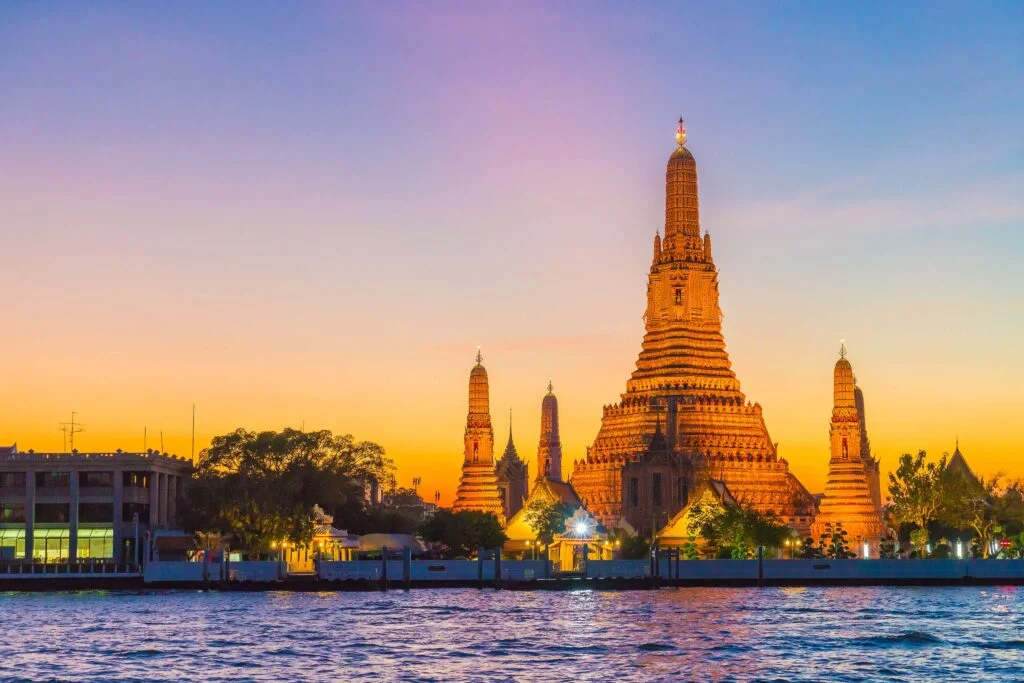
Across the Chao Phraya River, Wat Arun’s distinctive Khmer-style prang (tower) rises 70 meters above the waterfront. While beautiful from a distance, climbing the steep stairs rewards visitors with panoramic views across the river to the Grand Palace and old city.
The temple’s exterior is decorated with colorful porcelain and seashells, creating intricate floral patterns that catch light differently throughout the day. Despite its name, many photographers prefer sunset visits when the temple glows against the evening sky.
Getting there: Take the Chao Phraya Express Boat to Tha Tien Pier, then cross via small ferry (5 baht each way).
Jim Thompson House
This traditional Thai house museum belonged to Jim Thompson, the American entrepreneur who revitalized Thailand’s silk industry in the 1950s and 1960s. The property consists of six traditional teak structures assembled from various parts of Thailand, filled with Thompson’s extensive Southeast Asian art collection.
Guided tours (included with admission) run every 20 minutes and provide fascinating insights into Thai architecture, traditional craftsmanship, and Thompson’s mysterious disappearance in 1967. The lush tropical gardens offer a tranquil escape from surrounding city noise.
Chatuchak Weekend Market
Operating Saturdays and Sundays, Chatuchak ranks among the world’s largest weekend markets with over 15,000 stalls spread across 27 acres. The market’s 26 numbered sections cover everything from vintage clothing and handmade ceramics to exotic pets and antique furniture.
Come prepared for heat and crowds—the market attracts approximately 200,000 visitors each weekend. Wear comfortable shoes, bring cash (many vendors don’t accept cards), and start early to beat afternoon temperatures. The market’s food sections offer excellent opportunities to sample regional Thai dishes rarely found in tourist restaurants.
Floating Markets

While floating markets once served as primary trading centers throughout Thailand’s canal networks, today’s versions cater largely to tourists. However, they still offer glimpses into traditional trading culture and opportunities to sample canal-side cuisine.
Damnoen Saduak: The most famous but also most commercialized, located 100 kilometers southwest of Bangkok (2-hour drive). Arrive before 9 AM to see actual trading before tour groups arrive.
Amphawa: Less touristy alternative 90 minutes from Bangkok, operating Friday through Sunday afternoons and evenings. Better for authentic atmosphere and local seafood.
Taling Chan: Closest to central Bangkok, open only on weekends. Smallest of the three but most convenient for time-limited visitors.
Bangkok’s Rooftop Bars
The city’s rooftop bar scene has evolved into an attraction category of its own. While prices exceed street-level establishments, sunset views across Bangkok’s skyline create memorable experiences.
Notable options include:
- Sky Bar at Lebua (featured in “The Hangover II”): 63rd floor with 360-degree views
- Vertigo at Banyan Tree: Open-air rooftop dining at 61 floors up
- Octave Rooftop Bar: More affordable option with impressive views from the 45th floor
- Above Eleven: Peruvian-inspired cuisine with Lumpini Park views
Most implement casual smart dress codes (no flip-flops, tank tops, or shorts for men). Reservations recommended, especially for sunset slots.
Bangkok’s Museum Scene
Beyond temples and markets, Bangkok’s expanding museum offerings deserve attention:
Museum of Contemporary Art (MOCA): Five floors showcasing Thai contemporary art from the 19th century to present day. Located in northern suburbs, requires taxi or ride-hailing to reach.
Bangkok Art and Culture Centre (BACC): Free admission to this multi-story gallery space in the heart of the shopping district, featuring rotating contemporary exhibitions.
Erawan Museum: Housed inside a massive three-headed elephant sculpture in suburban Samut Prakan, this museum contains religious art and antiques across three symbolic levels representing the underworld, earth, and heaven.
Navigating Bangkok Transport: Getting Around the City
Understanding bangkok transport options prevents one of the most common thailand travel mistakes—underestimating travel times and getting stuck in notorious traffic jams.
BTS Skytrain and MRT Subway
Bangkok’s elevated Skytrain (BTS) and underground subway (MRT) systems provide the most efficient way to navigate major areas. Both operate 6 AM to midnight with air-conditioned cars and frequent service during peak hours.
BTS lines:
- Sukhumvit Line (light green): Runs from Mo Chit to Bearing/Kheha
- Silom Line (dark green): Connects National Stadium to Bang Wa
MRT lines:
- Blue Line: Circular route connecting major districts
- Purple Line: Extends to northwestern suburbs
Both systems use stored-value cards or single-journey tokens purchased at station machines. The Rabbit Card (for BTS) and MRT card can be purchased for 100-200 baht including initial credit, offering slight discounts versus single tickets.
Key stations for tourists:
- Siam: Shopping hub and line interchange
- Phaya Thai: Airport Rail Link connection
- Saphan Taksin: River boat connections
- Sukhumvit: Entertainment and dining district
- Silom: Financial district and night market access
Chao Phraya Express Boats
The Chao Phraya River serves as Bangkok’s original transportation corridor. Express boats run north-south along the river, stopping at numbered piers (indicated by “N” for north of Sathorn Bridge, “S” for south).
Boat types:
- Orange flag: All-stop local boats (15-20 baht)
- No flag: Local service during rush hours (10-14 baht)
- Blue flag: Limited stops, slightly faster (varies by distance)
- Tourist boat: Unlimited day pass (150 baht) with English announcements
Key piers include:
- N8 (Tha Tien): Grand Palace and Wat Pho access
- N9 (Tha Maharaj): Riverside dining and night market
- N13 (Phra Athit): Khao San Road area
- Central Pier (Sathorn): BTS connection at Saphan Taksin
Taxis and Ride-Hailing Apps
Metered taxis start at 35 baht with reasonable per-kilometer rates. However, drivers sometimes refuse short trips or destinations with heavy traffic, and may suggest flat rates instead of using meters during rush hours.
Taxi tips:
- Always insist on the meter (“meter, khrap/ka”)
- Have destinations written in Thai script
- Smaller streets and sois are numbered; knowing these helps drivers locate destinations
- Expressway tolls (typically 50-75 baht) are passenger’s responsibility
- Tipping isn’t expected but rounding up is appreciated
Ride-hailing apps Grab and Bolt operate throughout Bangkok, offering fixed pricing that eliminates meter disputes. During peak hours, surge pricing can make these more expensive than metered taxis, but they provide convenience and accountability.
Tuk-Tuks
These three-wheeled motorized vehicles are iconic but rarely represent the best transport choice. Tuk-tuks typically cost more than metered taxis for similar distances, offer no air conditioning, and expose passengers to exhaust fumes and weather.
If you want the experience, negotiate firmly before entering (expect 100-150 baht for short trips) and avoid drivers offering extremely low prices—these usually involve stops at gem shops or tailor establishments where drivers receive commissions.
Motorbike Taxis
Identified by numbered orange vests, motorbike taxis excel at navigating traffic and accessing small sois (side streets). They’re practical for short distances or when public transport doesn’t reach your destination.
Fares start around 20 baht for very short trips, increasing with distance. Always agree on price before riding. Helmets are provided (required by law), though quality varies. This option suits confident riders comfortable with Bangkok’s aggressive traffic patterns.
Common Thailand Travel Mistakes to Avoid in Bangkok
Underestimating Distances and Traffic
Bangkok’s sprawling geography deceives first-time visitors. What appears close on maps can require 45-60 minutes by road during rush hours (7-10 AM and 5-8 PM). Plan activities by neighborhood rather than ping-ponging across the city.
Use BTS/MRT whenever possible—a 30-minute journey by road often takes just 15 minutes by train. When taxis are necessary, build buffer time into your schedule.
Disrespecting Dress Codes at Temples
Thailand’s dress code expectations at religious sites are strictly enforced. Showing shoulders, knees, or wearing see-through clothing prevents entry to major temples. Many first-time visitors waste time returning to hotels or purchasing overpriced cover-ups from vendors outside temple gates.
Pack lightweight pants or a long skirt plus a shawl or cardigan for temple visits. Some sites like the Grand Palace provide free loaner clothing, but selections are limited and often worn.
Falling for Gem Scams
One of the oldest and most persistent thailand travel mistakes involves “helpful” strangers who mention temples are closed (they rarely are) and suggest visiting a special gem exhibition or getting a great deal on jewelry. These elaborate scams often involve tuk-tuk drivers, friendly English speakers, and professional-looking showrooms.
Never purchase gems or jewelry in Bangkok unless you’re an expert, regardless of how legitimate the operation appears or what “certificates” they provide. Legitimate Thai jewelers don’t employ street touts or tuk-tuk drivers as marketing channels.
Eating Only in Tourist Areas
Tourist-concentrated zones like Khao San Road, Sukhumvit Soi 11, and areas immediately surrounding major temples serve significantly lower-quality food at inflated prices compared to neighborhood restaurants and street food stalls.
Venture into residential areas, follow locals to busy food stalls, and explore neighborhood markets for authentic Thai cuisine at fair prices. If a restaurant’s menu features extensive English with photos and prices in dollars or euros, it’s optimized for tourists rather than quality.
Skipping Travel Insurance
Medical emergencies, lost baggage, or trip cancellations can cost thousands of dollars. Quality travel insurance typically runs 4-7% of total trip costs—minimal compared to potential expenses from unforeseen issues.
Bangkok’s private hospitals provide excellent care but charge international prices. Travel insurance ensures you can access this quality care without devastating bills. Verify your policy covers motorbike accidents if you plan to rent a scooter, as many standard policies exclude this.
Carrying Only Large Bills
Many street food vendors, small shops, and taxi drivers legitimately lack change for 1,000-baht notes. Breaking large bills at 7-Eleven stores ensures you always have appropriate denominations. Keep small bills and coins in accessible pockets for quick transactions.
Ignoring the Heat
Bangkok’s tropical climate means temperatures typically range from 30-35°C (86-95°F) with high humidity year-round. Attempting to maintain the same sightseeing pace as you would in temperate climates leads to exhaustion and dehydration.
Schedule outdoor activities for morning hours, take afternoon breaks during peak heat (1-4 PM), stay hydrated, and build rest time into your itinerary. Dehydration-related issues send tourists to hospitals more often than most realize.
Booking Accommodation Based Solely on Price
Cheap hotels in bad locations cost you time and transportation money. A slightly more expensive hotel near BTS stations saves money on taxis and provides easy access to attractions. Budget accommodations far from public transport often end up costing more when you factor in transportation time and expense.
Research neighborhood characteristics before booking—Sukhumvit offers different experiences than Silom, which differs significantly from riverside areas or Old Bangkok.
Bangkok Neighborhood Guide: Where to Stay and Explore
Silom and Sathorn
Bangkok’s financial district transitions into nightlife and dining zones after business hours. Silom offers excellent BTS and MRT connections, proximity to the river, and Patpong night market. The area suits business travelers and those wanting central location with good transport links.
Accommodation ranges from luxury international chains to mid-range business hotels. The neighborhood contains diverse dining options, from street food on Convent Road to upscale restaurants. The Muslim district along Charoen Krung Road provides excellent South Asian food.
Sukhumvit
This long road running east from central Bangkok features the highest concentration of hotels, restaurants, bars, and entertainment venues. Different sois (side streets) cater to various preferences:
- Lower Sukhumvit (Sois 1-21): Nightlife, international restaurants, and entertainment
- Mid Sukhumvit (Sois 22-55): Increasingly residential with local character, excellent food
- Thonglor and Ekkamai (Sois 55-63): Trendy Bangkok with craft cocktail bars, boutique shops, and hipster cafes
The BTS Sukhumvit line runs the entire length, making exploration easy. This area works well for first-time visitors wanting hotel amenities, English-speaking staff, and nightlife proximity.
Riverside
Hotels along the Chao Phraya River provide scenic views and excellent access to historical attractions via express boats. The area offers a more relaxed atmosphere than central Bangkok while maintaining easy connections to other districts.
Riverside walking paths, especially near Asiatique shopping complex and between Icon Siam and Yodpiman River Walk, provide pleasant evening activities. Weekend night markets at Tha Maharaj and nearby areas attract local crowds.
Higher-end hotels dominate this zone, though some mid-range options exist. The main drawback is distance from BTS/MRT stations (except Saphan Taksin area), making taxis or boats necessary for most destinations.
Old Bangkok (Rattanakosin)
The historic heart contains the Grand Palace, major temples, and the oldest parts of the city. Staying here puts you walking distance from key attractions but limits evening dining and entertainment options.
The area suits culture-focused travelers who prioritize temple visits and don’t require extensive nightlife or Western amenities. Accommodation tends toward guesthouses and budget hotels, with fewer international chain properties.
Siam and Pratunam
Bangkok’s shopping epicenter surrounds Siam Square, home to mega-malls like Siam Paragon, CentralWorld, and MBK Center. This zone provides excellent BTS connections and sits geographically central to many attractions.
The area works well for shoppers and those wanting to be near multiple BTS lines. Pratunam market offers wholesale fashion and textiles. Accommodation includes primarily mid-range to luxury hotels.
Khao San Road Area
Once backpacker central, Khao San Road has evolved to include more upscale accommodation while maintaining its party atmosphere. The street offers ultra-budget options, street food, bars, and travel services.
Adjacent streets like Phra Athit Road provide quieter alternatives with riverside access and better restaurants. The area suits young travelers, those on tight budgets, or anyone wanting Bangkok’s most internationally-minded neighborhood.
Limited public transport (no BTS/MRT) means relying on taxis, tuk-tuks, or river boats for most destinations. The neighborhood’s isolated location makes it less practical for business travelers or those wanting to explore diverse parts of Bangkok efficiently.
Bangkok Itinerary Suggestions
Three-Day Bangkok Itinerary
Day 1: Historical Bangkok
- Morning: Grand Palace and Wat Phra Kaew (arrive at opening)
- Late morning: Walk to Wat Pho for Reclining Buddha
- Lunch: Riverside restaurant near Tha Maharaj Pier
- Afternoon: Cross river to Wat Arun
- Late afternoon: Express boat north to Phra Athit area
- Evening: Dinner and drinks along Phra Athit Road
Day 2: Markets and Museums
- Morning: Chatuchak Weekend Market (if weekend) or Damnoen Saduak Floating Market
- Afternoon: Jim Thompson House museum
- Late afternoon: Shopping at Siam Paragon or MBK Center
- Evening: Rooftop bar for sunset, then dinner in Sukhumvit
Day 3: Local Neighborhoods
- Morning: Explore Chinatown (Yaowarat Road), visit Wat Traimit
- Lunch: Street food in Chinatown
- Afternoon: Bangkok Art and Culture Centre or Museum of Contemporary Art
- Late afternoon: Thai massage at Wat Pho or spa
- Evening: Asiatique riverfront complex or Khao San Road area
Five-Day Bangkok Itinerary
Follow the three-day itinerary above, then add:
Day 4: Day Trip Choose one:
- Ayutthaya Historical Park (UNESCO World Heritage Site, 80km north)
- Amphawa Floating Market and Maeklong Railway Market
- Khao Yai National Park (nature and wildlife, 200km northeast)
Day 5: Culinary and Cultural Depth
- Morning: Thai cooking class (half-day programs available throughout the city)
- Afternoon: Explore Thonglor neighborhood boutiques and cafes
- Evening: Fine dining experience at Michelin-starred Thai restaurant
One-Week Bangkok Itinerary
Expand the five-day itinerary with:
Day 6: Wellness and Relaxation
- Morning: Yoga class or meditation at Buddhist center
- Late morning: Visit Lumpini Park
- Afternoon: Traditional Thai spa experience
- Evening: Casual dinner in local neighborhood
Day 7: Personal Interests Dedicate the final day to whatever most interested you from earlier days:
- Additional temple exploration
- Shopping for souvenirs and crafts
- Specific cuisine neighborhood crawl
- Art galleries and creative spaces
- Muay Thai match at Rajadamnern Stadium
Bangkok Food Guide: What and Where to Eat

Street Food Essentials
Bangkok’s street food scene represents some of Asia’s best and most diverse eating. While specific vendors change locations, certain dishes and areas remain consistently excellent.
Must-try dishes:
- Pad Thai: Stir-fried rice noodles with egg, tofu or shrimp, and tamarind sauce
- Som Tam: Spicy green papaya salad with tomatoes, peanuts, and lime
- Khao Soi: Northern-style curry noodle soup with crispy noodles (harder to find in Bangkok)
- Moo Ping: Grilled pork skewers with sticky rice
- Guay Teow Reua: “Boat noodles” served in small bowls with intense, dark broth
Top street food areas:
- Yaowarat Road (Chinatown): Seafood, dim sum, and Chinese-Thai fusion
- Sukhumvit Soi 38: Long-running night market with diverse offerings (note: reduced stalls in recent years)
- Victory Monument: Locals’ favorite with boat noodles and regional specialties
- Or Tor Kor Market: High-quality produce and prepared foods in clean, organized setting
Traditional Thai Restaurants
Somtum Der: Northeast Thai (Isan) cuisine specialist with locations across Bangkok. Excellent som tam variations, grilled meats, and sticky rice.
Raan Jay Fai: Street food legend elevated to Michelin-starred status. Famous for crab omelet, though prices now reflect international recognition. Expect long waits without reservations.
Krua Apsorn: Longtime favorite serving royal Thai cuisine in casual setting. Try the crab curry and stir-fried morning glory.
Err Urban Rustic Thai: Modern approach to traditional recipes, focusing on heirloom dishes and regional specialties rarely found in typical Thai restaurants.
International Dining
Bangkok’s international food scene has expanded dramatically, with immigrant communities and globally-trained chefs creating diverse options.
Indian food concentrations exist in the Phahurat area (Little India) near Chinatown and along Sukhumvit between Sois 3-11. Japanese restaurants cluster throughout Sukhumvit and Silom. The city now features excellent Korean, Italian, French, and Middle Eastern restaurants that rival food in those cuisines’ home countries.
Food Courts and Markets
Air-conditioned mall food courts offer excellent Thai food at reasonable prices with air conditioning and clean facilities—ideal for heat-weary travelers.
Top food courts:
- MBK Food Island (6th floor): Classic setup with pre-paid card system, wide variety
- Central Embassy Food Hall: Upscale options with contemporary presentations
- Terminal 21 Pier 21 (5th floor): Diverse Asian cuisines in airport-themed setting
Practical Bangkok Travel Guide
Visa Requirements
Citizens of most Western countries receive visa-free entry for 30-60 days depending on nationality. Check current requirements before travel, as policies occasionally change. Visa-exempt entries can often be extended once for 30 days at immigration offices (1,900 baht fee).
Currency and Money
Thai baht (THB) is the local currency. Exchange rates fluctuate around 30-36 baht per US dollar. ATMs widely available, though most charge foreign card fees (150-220 baht per withdrawal) in addition to your home bank’s charges.
Exchange rates at airport booths are typically 3-5% worse than rates in the city. Wait to exchange large amounts at Superrich locations (green or orange branches) in central Bangkok for competitive rates without commission.
Credit cards are accepted at hotels, shopping malls, and established restaurants, but most street food, markets, and small shops operate cash-only.
Weather and Best Time to Visit
Bangkok’s tropical climate means hot weather year-round with three loosely defined seasons:
Hot season (March-May): Highest temperatures, typically 33-36°C daily. Low rainfall but high humidity. Most challenging for outdoor activities.
Rainy season (June-October): Afternoon thunderstorms common but rarely last all day. Slightly cooler temperatures. Tourism decreases, leading to better hotel rates.
Cool season (November-February): Most popular tourist period with temperatures around 26-32°C and lower humidity. Clear skies and comfortable conditions. Hotels and flights more expensive and crowded.
“Cool” remains relative—Bangkok never gets cold. Even December mornings rarely drop below 22°C.
Health and Safety
Bangkok ranks as generally safe for tourists, with violent crime against foreigners rare. Exercise normal precautions:
- Use hotel safes for passports and excess cash
- Watch belongings in crowded areas and on public transport
- Be cautious of overly friendly strangers offering deals or suggestions
- Verify taxi meters are running before departure
Tap water is not drinkable. Bottled water costs 7-15 baht at convenience stores. Ice in restaurants and established food stalls is generally safe, made from filtered water.
Common health concerns include:
- Heat exhaustion and dehydration
- Stomach issues from dramatic cuisine changes
- Sunburn (tropical sun is intense even in brief exposure)
- Air pollution during certain months (check AQI before outdoor activities)
Internet and Communication
Thailand uses 220V electricity with Type A, B, and C plugs (two-prong round or flat). Most modern devices (phones, laptops) have multi-voltage chargers requiring only a plug adapter.
Wi-Fi is ubiquitous in hotels, cafes, shopping malls, and many restaurants. For mobile data, purchase SIM cards at airport kiosks (AIS, TrueMove, or dtac) offering unlimited data packages for 200-400 baht for 7-15 days depending on speed tiers.
Cultural Etiquette
Basic cultural awareness prevents unintended offense:
- Remove shoes when entering homes and some businesses (look for shoe racks at entrances)
- Never touch anyone’s head or point feet at people or Buddha images
- Show respect at temples: speak quietly, dress modestly, don’t pose inappropriately with Buddha statues
- The Thai royal family is deeply revered; avoid any critical comments
- “Wai” greeting (pressing palms together with slight bow) is appreciated but not required from foreigners
Shopping in Bangkok: What to Buy and Where

Markets
Chatuchak Weekend Market: Thailand’s largest market with everything from vintage denim to puppies. Best buys include cotton clothing, handicrafts, ceramics, and local art.
Rot Fai Markets: Two locations (Ratchada and Srinakarin) offering vintage items, collectibles, retro clothing, and live music. Evening operations create festival atmosphere.
Pratunam Market: Wholesale fashion at rock-bottom prices. Buying multiple items often gets better per-piece rates. Quality varies—inspect carefully.
Malls
Bangkok’s shopping mall culture is extensive, with air-conditioned comfort and international brands alongside Thai retailers.
Siam Paragon: Upscale mall with luxury brands, Southeast Asia’s largest aquarium, and extensive food halls.
MBK Center (Ma Boon Khrong): Eight floors of moderate-priced fashion, electronics, and souvenirs. Haggling is acceptable at small stalls.
Terminal 21: Each floor designed as a different city (Tokyo, London, Istanbul, etc.) with corresponding product themes.
Central Embassy: Contemporary luxury mall with high-end fashion and innovative food concepts.
Icon Siam: Riverside mega-mall combining luxury shopping, heritage craft markets, and entertainment. Free boat shuttle from BTS Saphan Taksin.
What to Buy
Best Bangkok purchases:
- Thai silk products (Jim Thompson stores offer quality with guaranteed authenticity)
- Cotton clothing and textiles
- Handmade ceramics and Benjarong pottery
- Thai spa products (Harnn, Thann, Panpuri brands)
- Dried fruits and specialty foods
- Contemporary Thai design items
- Traditional crafts from government-run OTOP stores
Avoid:
- Gems and jewelry (unless you’re an expert)
- High-end Western brands (rarely cheaper than home)
- Poorly made handicraft knockoffs at tourist traps
Frequently Asked Questions
How many days should I spend in Bangkok?
Three to five days provides sufficient time to cover major attractions, experience diverse neighborhoods, and sample the food scene without feeling rushed. First-time visitors typically find 4 days ideal—enough to see highlights while allowing buffer time for heat breaks and unexpected discoveries. Those wanting day trips or deeper cultural immersion should plan 6-7 days.
Is Bangkok safe for solo travelers?
Yes, Bangkok is generally safe for solo travelers including women. Violent crime against tourists is uncommon. The main concerns involve petty theft, scams, and overcharging. Stay alert in crowded areas, avoid going with strangers to secondary locations, always use metered taxis or ride-hailing apps, and trust your instincts. The city’s excellent public transport and widespread English signage make solo navigation straightforward.
What’s the best way to get from Bangkok airport to the city?
Suvarnabhumi Airport (BKK) connects to central Bangkok via the Airport Rail Link, reaching Phaya Thai BTS station in 30 minutes for 45 baht. This train runs 6 AM to midnight. Metered taxis cost 250-400 baht including 50-baht airport surcharge and expressway tolls, taking 30-60 minutes depending on traffic and destination. Don Mueang Airport (DMG) requires taxis or buses—allow 45-90 minutes to reach central areas. Avoid unmarked taxis or drivers who refuse the meter.
Can I drink alcohol in Bangkok?
Yes, alcohol is legal and widely available in Bangkok. Restaurants, bars, and convenience stores sell beer, wine, and spirits. However, alcohol sales are restricted from 2-5 PM and after midnight at stores (bars and restaurants have different rules). Buddhist holidays occasionally impose alcohol sales bans. Drinking age is 20, though enforcement is inconsistent. Public drunkenness and drinking in some public spaces like parks can result in fines.
How much should I budget per day in Bangkok?
Daily budgets vary significantly based on preferences:
- Budget travelers: $30-50 per day (hostels, street food, public transport, free attractions)
- Mid-range: $75-150 per day (comfortable hotels, mix of restaurants, some taxis, paid attractions)
- Luxury: $200+ per day (high-end hotels, fine dining, private transport, premium experiences)
These estimates exclude international flights. Bangkok offers excellent value compared to many world capitals, with outstanding food and accommodation at moderate price points. Activities like temple visits cost minimal fees while shopping and nightlife expenses depend entirely on personal choices.
Do I need to tip in Bangkok?
Tipping is not traditionally expected in Thai culture but has become more common in tourist areas. General guidelines:
- Restaurants: 10% at upscale establishments if service charge not included; round up the bill or leave 20-40 baht at casual restaurants
- Street food: No tipping expected
- Taxis: Round up fare to nearest 5 or 10 baht
- Hotel porter: 20-50 baht per bag
- Spa/massage: 50-100 baht depending on service length and quality
- Tour guides: 200-500 baht for full-day service
Poor service deserves no tip—Thai service staff won’t be offended by its absence if service was subpar.
For travelers seeking professional guidance with Thailand travel planning
Bangkok’s complexity can feel overwhelming when planning from abroad. For travellers who prefer professional guidance or customised itineraries, Royal Thailand Tours offers assistance with Thailand travel planning based on individual needs. Whether you’re navigating your first visit to Southeast Asia or returning to explore deeper layers of Thai culture, expert local knowledge can help structure efficient itineraries while avoiding common Thailand travel mistakes that impact many independent travellers.


