
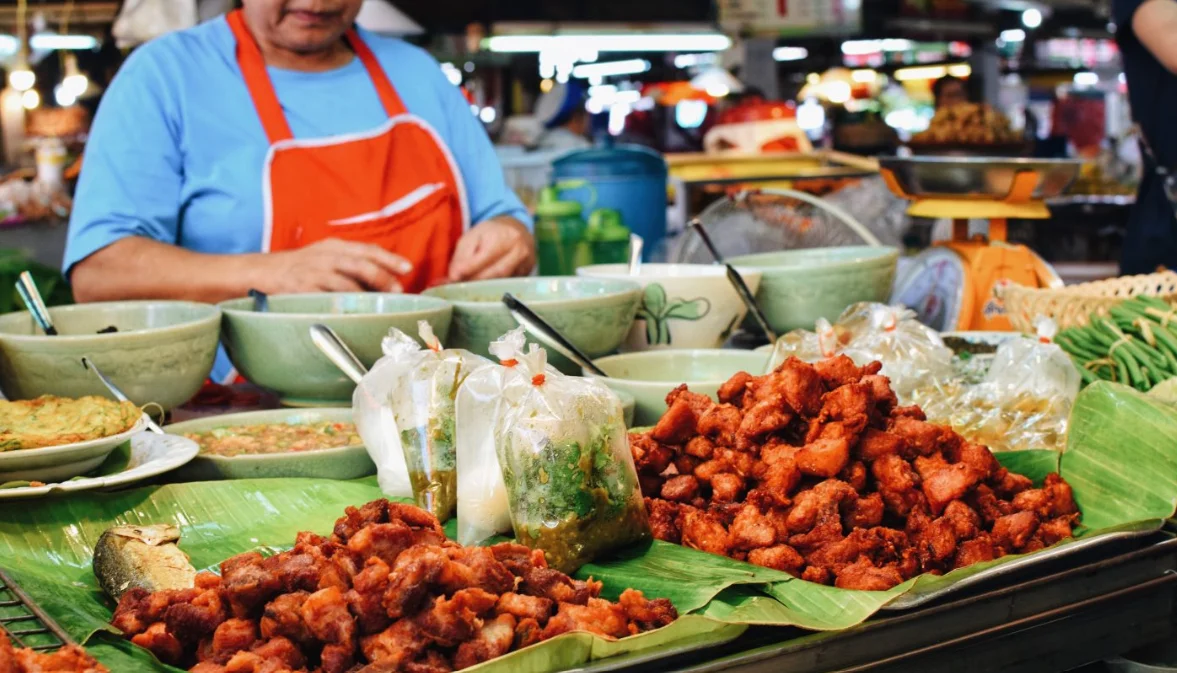
Introduction: Your Journey into Thailand’s Vibrant Street Food Scene
Picture this: You’re walking through Bangkok’s bustling night markets, surrounded by sizzling woks, aromatic spices, and vendors calling out to passersby. The air is thick with the smell of grilled meats, fresh herbs, and sweet coconut. This is where you’ll discover what Thai food is truly about—not in fancy restaurants, but on the streets where locals eat every single day.
Try street food in Thailand, and you’re not just eating a meal; you’re experiencing centuries of culinary tradition, regional diversity, and the warm hospitality that defines Thai culture. For first-time travelers, navigating the incredible world of Thai street food can feel overwhelming. Which dishes are must-tries? What should you avoid? How do you know if a vendor is safe?
This comprehensive guide covers the top 15 must-try street foods in Thailand, giving you everything you need to eat like a local, stay safe, and create unforgettable food memories. Whether you’re exploring Bangkok’s Yaowarat Road, Chiang Mai’s Sunday Market, or Phuket’s beachside stalls, you’ll know exactly what to order.
What Makes Thai Street Food So Special?
Before we dive into specific dishes, let’s understand why Thai street food has captured the hearts (and stomachs) of travelers worldwide.
The Heart of Thai Cuisine in Thailand
Thai cuisine in Thailand is built on four fundamental flavors: sweet, sour, salty, and spicy. Street vendors have perfected the art of balancing these elements in every dish. Unlike Western fast food, Thai street food is prepared fresh to order, often using recipes passed down through generations.
Street food isn’t just cheap eats—it’s the soul of Thai food culture. According to recent studies, over 40% of Thai people eat street food at least once daily. These vendors often specialize in one or two dishes, perfecting them over decades.
Why First-Time Travelers Love Thai Street Food
- Incredibly affordable (most dishes cost 30-80 baht or $1-2.50 USD)
- Authentic flavors you won’t find in tourist restaurants
- Social experience that connects you with local culture
- Available 24/7 in major cities
- Safe to eat when you follow basic guidelines
Top 15 Must-Try Street Foods in Thailand
1. Pad Thai (ผัดไทย) – The Iconic Thai Street Food

No guide to best Thai food would be complete without Pad Thai. This stir-fried rice noodle dish is Thailand’s unofficial national dish and the perfect introduction to Thai street food.
What it is: Rice noodles stir-fried with eggs, tofu or shrimp, bean sprouts, peanuts, and tamarind sauce. The vendor finishes it with a squeeze of lime, dried chili flakes, and fresh herbs.
Where to find it: Everywhere, but particularly famous at Thip Samai in Bangkok (open since 1966).
Price range: 40-60 baht ($1.25-2)
Pro tip: Watch for vendors with long queues—that’s always a good sign. The best Pad Thai has a perfect balance of sweet, sour, and savory with slightly charred noodles.
2. Som Tam (ส้มตำ) – Spicy Green Papaya Salad

This Isaan (Northeastern Thailand) specialty is a flavor explosion that perfectly represents what Thai food is all about—bold, spicy, and refreshing.
What it is: Shredded green papaya pounded with chilies, garlic, tomatoes, green beans, dried shrimp, peanuts, and lime juice in a large mortar and pestle.
Spice level: Tell the vendor “pet nit noi” (a little spicy) or “mai pet” (not spicy) if you’re sensitive to heat.
Where to find it: Som Tam carts are ubiquitous throughout Thailand, especially in Bangkok and Isaan regions.
Price range: 30-50 baht
Insider secret: Try Som Tam Thai (with peanuts and dried shrimp) for a milder version, or Som Tam Poo (with fermented crab) for the authentic Isaan experience.
What it is: Whole chickens marinated in a mixture of garlic, coriander root, pepper, and fish sauce, then grilled over charcoal until the skin is crispy and golden.
3. Gai Yang (ไก่ย่าง) – Grilled Chicken Thai Style
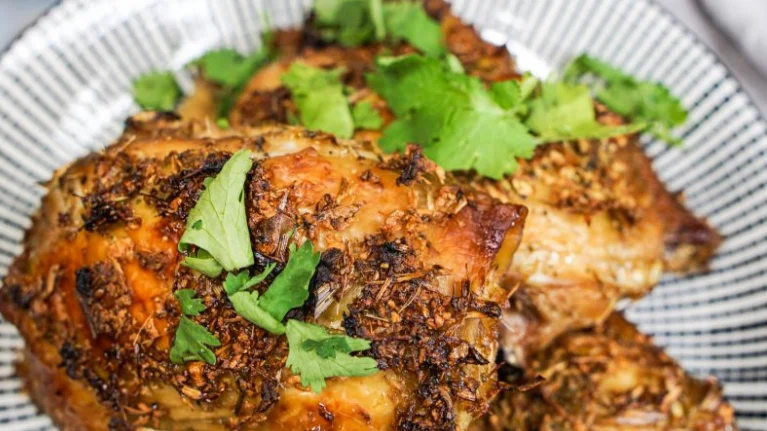
Poulet Thailand style, or Gai Yang, is Thailand’s answer to barbecue chicken, and it’s absolutely addictive.
Where to find it: Especially popular in Isaan regions and night markets across Thailand.
Price range: 100-150 baht for half a chicken
Serving suggestion: Always served with sticky rice (khao niao) and Som Tam. The combination of smoky grilled chicken, spicy papaya salad, and sticky rice is pure perfection.
Health note: The meat is cooked thoroughly over open flame, making it one of the safest street food options.
4. Khao Man Gai (ข้าวมันไก่) – Hainanese Chicken Rice

This deceptively simple dish is comfort food at its finest and a staple of Thai street food culture.
What it is: Poached chicken served over fragrant rice cooked in chicken broth, accompanied by a bowl of clear soup and a spicy-sour dipping sauce.
What makes it special: The rice is cooked in chicken fat and stock, giving it incredible flavor. The sauce—made with fermented soybeans, ginger, garlic, and chilies—ties everything together.
Where to find it: Dedicated Khao Man Gai stalls operate from morning until they sell out (usually early afternoon).
Price range: 40-60 baht
Pro tip: Pink Lady in Bangkok is legendary for this dish, but any stall with a line of office workers is worth trying.
5. Pad Krapow Moo (ผัดกระเพราหมู) – Holy Basil Pork

Ask any Thai person about their favorite quick meal, and many will say Pad Krapow. This is everyday Thai cuisine in Thailand at its most essential.
What it is: Minced pork (or chicken, beef, or seafood) stir-fried with holy basil, chilies, garlic, and fish sauce, served over rice with a fried egg on top.
Why it’s perfect: It’s quick, satisfying, and customizable. You can adjust the spice level and protein to your preference.
Where to find it: Every street food stall with a wok offers this dish. It’s the most ordered street food in Thailand.
Price range: 40-60 baht
Ordering tip: Say “Pad Krapow Moo, kai dao, pet maak” for spicy basil pork with fried egg.
6. Moo Ping (หมูปิ้ง) – Grilled Pork Skewers

These sweet and savory grilled pork skewers are the ultimate Thai street snack.
What it is: Marinated pork shoulder grilled over charcoal, served with sticky rice and a sweet chili dipping sauce.
Marinade magic: The pork is marinated in coconut milk, palm sugar, soy sauce, and coriander root, giving it a slightly sweet, caramelized exterior.
Where to find it: Morning markets and evening street stalls. Vendors often grill these fresh throughout the day.
Price range: 10 baht per skewer (usually buy 3-5)
Local pairing: Thais love eating these with sticky rice and Som Tam for a complete Isaan-style meal.
7. Guay Teow (ก้วยเตี๋ยว) – Thai Noodle Soup

Thai street food wouldn’t be complete without noodle soup, and Guay Teow comes in countless variations.
What it is: Rice or egg noodles in a flavorful broth with your choice of protein (pork, beef, chicken, or seafood), bean sprouts, and herbs.
Variations to try:
- Guay Teow Neua (beef noodle soup)
- Guay Teow Moo (pork noodle soup)
- Guay Teow Reua (boat noodles—intense, concentrated flavor)
Where to find it: Dedicated noodle shops operate from morning to late night. Look for places with multiple broth pots simmering.
Price range: 40-60 baht
Customization: Each table has condiments (sugar, fish sauce, chili vinegar, dried chilies) to adjust flavors to your taste.
8. Sai Krok Isaan (ไส้กรอกอีสาน) – Fermented Sausage

This tangy, slightly sour sausage is an Isaan delicacy that showcases the unique flavors of northeastern Thai cuisine in Thailand.
What it is: Fermented pork and rice sausage with a distinctive sour taste from the fermentation process.
Flavor profile: Tangy, garlicky, and slightly chewy with a hint of sweetness.
Where to find it: Night markets and street carts, especially in Bangkok’s Isaan communities and northeastern provinces.
Price range: 20-30 baht per serving
Serving style: Grilled and served with fresh cabbage, ginger slices, roasted peanuts, and fresh chilies.
Adventurous eaters: This is one of the more unique Thai street foods. The fermented flavor may surprise first-timers, but it’s absolutely worth trying.
9. Khao Kha Moo (ข้าวขาหมู) – Braised Pork Leg Over Rice

If you want to understand what makes best Thai food so comforting, try this slow-braised pork dish.
What it is: Pork leg braised for hours in a five-spice sauce until fall-apart tender, served over rice with boiled eggs, pickled mustard greens, and the rich braising sauce.
Why it’s amazing: The pork is incredibly tender, almost melting on your tongue, with a sweet-savory sauce that’s been simmering all day.
Where to find it: Dedicated Khao Kha Moo stalls, particularly popular for lunch. Many stalls sell out by mid-afternoon.
Price range: 50-70 baht
Best time: Lunch or early afternoon when the pork has been braising for hours but hasn’t sold out yet.
10. Kanom Krok (ขนมครก) – Coconut Pancakes

These adorable little coconut-rice pancakes are the perfect sweet street snack.
What it is: Small, round pancakes made from rice flour and coconut milk, cooked in a special cast-iron pan with round molds. The outside is crispy, inside creamy.
Topping options: Traditional versions use green onion, but modern variations include corn, taro, or sweet toppings.
Where to find it: Afternoon and evening markets. Look for the distinctive round cooking pans.
Price range: 20-30 baht for 6-8 pieces
Texture experience: The contrast between the crispy exterior and creamy interior makes these irresistible.
11. Gai Tod Hat Yai (ไก่ทอดหาดใหญ่) – Hat Yai Fried Chicken

Southern Thailand’s answer to fried chicken is a crispy, golden masterpiece that rivals any fried chicken in the world.
What it is: Chicken marinated in turmeric and spices, deep-fried until incredibly crispy, and served with sticky rice and a sweet chili sauce.
Regional specialty: Originating from Hat Yai in southern Thailand, this style has spread throughout the country.
Where to find it: Night markets and dedicated fried chicken stalls. Flying Chicken in Hat Yai is the original.
Price range: 80-120 baht
Why it’s different: The turmeric marinade gives the chicken a beautiful golden color and slightly earthy flavor that sets it apart from regular fried chicken.
12. Pad See Ew (ผัดซีอิ๊ว) – Stir-Fried Wide Noodles
This is the dish locals order when they want something simple, satisfying, and not too spicy.
What it is: Wide rice noodles stir-fried with dark soy sauce, egg, Chinese broccoli, and your choice of protein.
Flavor profile: Slightly sweet from the dark soy sauce, with a hint of char from high-heat wok cooking.
Where to find it: Any street food stall with a wok. It’s one of the most common dishes alongside Pad Thai and Pad Krapow.
Price range: 40-60 baht
The secret: Great Pad See Ew has “wok hei”—the breath of the wok—a slightly smoky flavor from cooking over extremely high heat.
13. Kluay Tod (กล้วยทอด) – Fried Bananas
When you try street food in Thailand, don’t skip the sweet snacks. Fried bananas are simple, addictive perfection.
What it is: Small bananas coated in a coconut batter and deep-fried until golden and crispy.
Best varieties: Look for stalls using “kluay khai” (small Thai bananas) rather than regular bananas.
Where to find it: Afternoon and evening street carts, particularly near markets and busy intersections.
Price range: 20-30 baht for a small bag
Serving style: Some vendors add sesame seeds to the batter or serve them with a side of sweetened condensed milk for dipping.
14. Roti (โรตี) – Thai-Style Flatbread
A Muslim-Thai specialty that’s become beloved across the country, roti is street food comfort at its finest.
What it is: Flaky flatbread cooked on a griddle and served either savory (with curry) or sweet (with condensed milk, sugar, and banana).
Sweet version: The most popular is “roti gluay” (banana roti)—sliced bananas wrapped in the dough, griddled with butter, and drizzled with sweetened condensed milk and sugar.
Where to find it: Evening markets and dedicated roti stalls. Watch for vendors dramatically stretching and flipping the dough.
Price range: 30-50 baht
Performance food: Part of the appeal is watching the vendor’s skillful dough stretching and flipping technique.
15. Khao Niao Mamuang (ข้าวเหนียวมะม่วง) – Mango Sticky Rice
No guide to best Thai food would be complete without this iconic dessert. It’s the perfect ending to any street food adventure.
What it is: Sweet sticky rice cooked in coconut milk, served with fresh ripe mango slices and topped with coconut cream and mung beans.
Seasonal note: Best during mango season (March-June) when mangoes are at peak sweetness. The “Nam Dok Mai” variety is most prized.
Where to find it: Dessert stalls and markets throughout Thailand. Mae Varee in Bangkok is legendary for this dish.
Price range: 60-100 baht
Why it’s special: The combination of warm, creamy coconut rice with cool, sweet mango is unexpectedly perfect. The contrast in temperatures and textures makes this dessert unforgettable.
Essential Tips for Eating Thai Street Food Safely
While Thai street food is generally very safe, first-time travelers should follow these guidelines:
Choose Your Vendors Wisely
- High turnover is good: Long lines mean fresh food that doesn’t sit around
- Watch the cooking: Food cooked to order right in front of you is safest
- Trust your instincts: If something looks or smells off, move on
- Eat where locals eat: Thais know the best and safest vendors
Hygiene Indicators
Look for these positive signs:
- Clean cooking area and utensils
- Vendor uses tongs or gloves (not bare hands)
- Food is stored properly (covered or in coolers)
- No cross-contamination between raw and cooked foods
Food Safety by Category
Generally safest:
- Grilled/barbecued items (Gai Yang, Moo Ping)
- Deep-fried foods (Gai Tod, Kluay Tod)
- Foods cooked to order at high heat (Pad Thai, Pad Krapow)
Use extra caution:
- Pre-cut fruits (safe if freshly cut, less so if sitting out)
- Ice (use in major cities, skip in rural areas)
- Raw vegetables as garnishes (request without if concerned)
Spice Level Management
Thai street food can be extremely spicy. Use these phrases:
- “Mai pet” (ไม่เผ็ด) = Not spicy
- “Pet nit noi” (เผ็ดนิดหน่อย) = A little spicy
- “Pet maak” (เผ็ดมาก) = Very spicy (only for the brave!)
Regional Variations: Where to Try Street Food in Thailand
Different regions of Thailand offer unique street food experiences:
Bangkok – The Street Food Capital
Best areas:
- Yaowarat Road (Chinatown): Famous for evening street food
- Sukhumvit Soi 38: Mix of Thai and international street food
- Chatuchak Weekend Market: Massive variety, great for first-timers
- Victory Monument: Local favorite with authentic options
Chiang Mai – Northern Thai Cuisine
Must-try northern specialties:
- Khao Soi (curry noodle soup)
- Sai Oua (Northern Thai sausage)
- Nam Prik Ong (tomato and pork dip)
Best spot: Sunday Walking Street Market
Phuket & Southern Thailand
Southern specialties:
- Khanom Jeen (fermented rice noodles with curry)
- Muslim-style curries and roti
- Fresh seafood grilled beachside
Best areas: Old Phuket Town Sunday Market, Naka Weekend Market
Isaan (Northeast) – Bold Flavors
Regional favorites:
- Som Tam (originated here)
- Gai Yang and sticky rice
- Larb (spicy minced meat salad)
- Sai Krok Isaan
Best experience: Local evening markets in Khon Kaen or Udon Thani
Understanding Thai Street Food Pricing
One of the best things about Thai street food is how affordable it is. Here’s what to expect:
Price Ranges (2025)
| Dish Type | Price (Baht) | Price (USD) |
|---|---|---|
| Rice/noodle dishes | 40-60 | $1.25-2 |
| Grilled meats | 10-30/skewer | $0.30-1 |
| Soup dishes | 50-80 | $1.50-2.50 |
| Snacks/desserts | 20-40 | $0.60-1.25 |
| Fresh fruit | 30-60 | $1-2 |
Budget Planning
For a full day of eating best Thai food from street vendors:
- Budget: $10-15 (3 meals + snacks)
- Comfortable: $15-25 (variety + desserts + drinks)
- Splurge: $25-35 (multiple dishes per meal, all the snacks)
Payment Tips
- Most street vendors accept cash only (Thai baht)
- Keep small bills (20, 50, 100 baht notes)
- Mobile payments (PromptPay) are becoming common in cities
- Always confirm the price before ordering
Street Food Etiquette: Eating Like a Local
Understanding basic etiquette helps you blend in and shows respect for Thai culture:
At the Stall
- Point and order: Language barriers? Point at what others are eating
- Be patient: Good food takes time; vendors cook to order
- Don’t rush: Thais eat slowly and socially
- Return dishes: Many stalls use reusable plates; return them to the vendor
The Thai Way of Eating
- Use a spoon and fork: Spoon in right hand (main utensil), fork in left (pusher)
- Chopsticks: Only for noodle soups and Chinese-style dishes
- Sharing: Thai meals are communal; order several dishes to share
- Season yourself: Adjust flavors with the condiment tray (sugar, fish sauce, vinegar, chilies)
Social Aspects
- “Aroy” (อร่อย): Say this to compliment the food (means “delicious”)
- “Kop khun ka/krap” (ขอบคุณค่ะ/ครับ): Thank you (ka for women, krap for men)
- Smile: The “Land of Smiles” appreciates friendly customers
Common Mistakes First-Time Travelers Make
Avoid these pitfalls when you try street food in Thailand:
Mistake #1: Only Eating at Tourist Areas
The problem: Tourist-area vendors often charge 2-3x more and may adjust flavors for Western palates.
The solution: Walk 2-3 blocks away from major tourist sites to find authentic, cheaper options.
Mistake #2: Being Too Cautious
The problem: Missing out on incredible food because of unfounded fears.
The solution: Thai street food is safe when you follow basic guidelines. Don’t let paranoia rob you of authentic experiences.
Mistake #3: Ordering Wrong Spice Levels
The problem: Saying “not spicy” then wondering why Thai food seems bland, or vice versa.
The solution: Start medium (“pet nit noi”) and adjust. You can always add more spice from the condiment tray.
Mistake #4: Not Carrying Small Bills
The problem: Handing a 1,000 baht note for a 40 baht meal creates problems.
The solution: Always carry small denominations. Break large bills at convenience stores.
Mistake #5: Eating Only Main Dishes
The problem: Missing the snacks and desserts that make Thai cuisine in Thailand so special.
The solution: Graze throughout the day. Try multiple small items rather than three large meals.
Best Times to Eat Thai Street Food
Timing matters when experiencing street food culture:
Morning (6:00-10:00 AM)
What’s available:
- Jok (rice porridge)
- Khao Man Gai
- Pa Tong Go (fried dough) with coffee
- Fresh fruit smoothies
Best for: Traditional breakfast dishes, watching morning market life
Lunch (11:00 AM-2:00 PM)
What’s available:
- Everything! Peak street food hours
- One-plate dishes (Pad Krapow, Khao Kha Moo)
- Noodle soups
- Made-to-order stir-fries
Best for: Authentic experience eating alongside office workers and locals
Afternoon (2:00-5:00 PM)
What’s available:
- Snacks (Kanom Krok, fried bananas)
- Desserts (Mango sticky rice)
- Fresh fruits
- Sweet drinks
Best for: Sweet cravings and light snacks between meals
Evening (6:00-11:00 PM)
What’s available:
- Night markets come alive
- Grilled meats and seafood
- Full dinner options
- Special evening-only vendors
Best for: Social eating atmosphere, trying multiple dishes, experiencing Thai night culture
Vegetarian & Dietary Considerations
Navigating Thai street food with dietary restrictions is manageable:
For Vegetarians
- Say “Mangsawirat” (มังสวิรัติ): Means vegetarian
- “Jay” (เจ): Strictly vegan (no animal products, onions, or garlic)
- Look for yellow flags: Indicate vegetarian vendors during Buddhist vegetarian festivals
Safe options:
- Pad Thai (request “mai sai nam pla” – without fish sauce)
- Pad See Ew with vegetables and egg
- Fresh spring rolls
- Fried rice with vegetables
- Mango sticky rice
Caution: Many seemingly vegetarian dishes contain fish sauce, shrimp paste, or oyster sauce. Always specify.
For Those with Allergies
Peanut allergies: Particularly challenging since peanuts are common in Pad Thai, Som Tam, and satay sauces.
- Say “Pae tua” (แพ้ถั่ว): Allergic to peanuts
Shellfish: Fish sauce is ubiquitous in Thai cuisine in Thailand.
- Say “Pae kung” (แพ้กุ้ง): Allergic to shrimp/shellfish
Halal Options
Muslim-Thai food is widely available, especially in southern Thailand and Bangkok’s Muslim communities. Look for:
- Halal signs in Arabic/Thai
- Muslim-style curry shops
- Roti vendors
- Vendors near mosques
Health Benefits of Thai Street Food
When you try street food in Thailand, you’re not just eating delicious food—you’re consuming a relatively healthy diet:
Nutritional Advantages
Fresh ingredients: Most street food uses fresh vegetables, herbs, and proteins bought daily at markets.
Healthy cooking methods:
- Stir-frying (quick cooking preserves nutrients)
- Grilling (excess fat drips away)
- Steaming (retains nutrients)
Herb-forward: Thai food uses fresh herbs like basil, cilantro, mint, and lemongrass that offer antioxidants.
Balanced flavors: The emphasis on balancing sweet, sour, salty, and spicy creates satisfying meals that don’t rely on excessive fat or salt.
Healthiest Street Food Options
- Som Tam (low calorie, high fiber)
- Gai Yang with sticky rice (high protein, grilled)
- Clear noodle soups (light, nutritious broth)
- Fresh spring rolls (raw vegetables, lean protein)
- Grilled seafood (lean protein, omega-3s)
Creating Your Thai Street Food Itinerary
For first-time visitors planning to experience best Thai food:
3-Day Bangkok Street Food Plan
Day 1: Classic Introduction
- Breakfast: Khao Man Gai
- Lunch: Pad Thai at Thip Samai
- Snack: Kanom Krok
- Dinner: Yaowarat Road night market (multiple dishes)
Day 2: Bold Flavors
- Breakfast: Jok (rice porridge)
- Lunch: Pad Krapow with fried egg
- Snack: Moo Ping and sticky rice
- Dinner: Boat noodles and Gai Tod Hat Yai
Day 3: Regional Specialties
- Breakfast: Roti with banana
- Lunch: Khao Kha Moo
- Snack: Fresh fruit and coconut ice cream
- Dinner: Som Tam, Gai Yang, sticky rice combo
One Week Across Thailand
Combine Bangkok’s street food scene with regional specialties:
- Days 1-2: Bangkok (covers basics)
- Days 3-4: Chiang Mai (northern Thai cuisine)
- Days 5-6: Islands/Southern Thailand (seafood, Muslim-Thai food)
- Day 7: Return to Bangkok for favorites
Expert Insights: What Thai Food Vendors Want You to Know
After interviewing multiple street food vendors, here’s insider knowledge:
From a Bangkok Pad Thai Vendor (22 years experience)
“The best time to eat my Pad Thai is right when I start cooking in the evening, around 5:30 PM. The wok is perfectly seasoned from the day, but I’m not rushed yet. And please, don’t ask for ketchup!”
From a Som Tam Specialist in Isaan
“Real Som Tam should make your eyes water a little. If it doesn’t, it’s made for tourists. But I understand—tell me your spice level honestly, and I’ll make it perfect for you.”
From a Khao Man Gai Vendor (third generation)
“The secret is in the sauce. I make mine fresh every morning with my grandmother’s recipe. And the chicken? It has to be free-range Thai chicken, not the big commercial ones.”
Universal Advice from Vendors
- Come with an open mind and willingness to try authentic flavors
- Be patient during busy times—good food takes time
- Return customers are treasured—if you like it, come back
- Honest feedback is appreciated—especially about spice levels
- Respect the craft—these vendors have perfected their dishes over decades
The Future of Thai Street Food
As Thailand modernizes, Thai street food culture evolves:
Current Trends (2025)
Increased hygiene standards: Government initiatives have improved food safety without sacrificing authenticity.
Fusion innovations: Young vendors experiment with traditional recipes, creating modern twists.
Digital ordering: Some markets now offer app-based ordering and cashless payments.
Street food tours: Professional guides help travelers navigate the scene safely.
Night market evolution: Many cities have designated street food zones with improved infrastructure.
Challenges
Rising costs: Ingredient prices are increasing, though street food remains affordable.
Gentrification: Some historic street food areas face development pressure.
Younger generation: Fewer young Thais want to continue family street food businesses.
Preservation Efforts
UNESCO recognition: Several Thai street food dishes and vendors have received cultural recognition.
Street food preservation societies: Organizations work to protect traditional recipes and vendors.
Social media: Platforms help younger generations discover and appreciate street food culture.
Pros & Cons of Thai Street Food
Advantages
✅ Incredibly affordable (cheapest way to eat authentic Thai food) ✅ Authentic flavors not found in restaurants ✅ Cultural experience that connects you with locals ✅ Freshly prepared to order in front of you ✅ Huge variety from breakfast to late-night snacks ✅ Available everywhere in cities and towns ✅ Quick service when you’re on the go ✅ Social atmosphere of eating at communal tables
Disadvantages
❌ Language barriers can make ordering challenging ❌ Variable hygiene standards (though generally safe) ❌ Spice levels may surprise unaccustomed palates ❌ Limited seating at popular stalls ❌ Cash-only at most vendors ❌ Heat and crowds in popular markets ❌ Inconsistent hours (vendors may close unexpectedly) ❌ Dietary restrictions can be challenging to communicate
Frequently Asked Questions About Thai Street Food
Is Thai street food safe for tourists?
Yes, Thai street food is generally very safe when you follow basic guidelines. Eat at busy stalls with high turnover, watch food being cooked fresh, and avoid anything sitting out for long periods. Millions of tourists eat street food in Thailand annually without issues. The key is choosing vendors wisely—high volume means fresh ingredients and proper cooking.
How much should I budget for street food in Thailand?
Budget $10-15 per day for three meals of best Thai food from street vendors. This covers breakfast (40-60 baht), lunch (50-80 baht), dinner (60-100 baht), and snacks (20-40 baht each). For $20-25 daily, you can try multiple dishes, include desserts, and eat at premium street vendors. Street food is 50-70% cheaper than restaurant dining in Thailand.
What’s the best way to find good street food vendors?
Look for three key indicators: long lines of locals (high turnover means fresh food), clean cooking areas with visible preparation, and vendors who’ve been in the same spot for years. Avoid empty stalls near tourist attractions. The best Thai street food is often found 2-3 blocks away from main tourist areas. Trust vendors where you see Thai office workers and families eating during lunch hours.
Can vegetarians eat Thai street food?
Yes, but it requires communication. Say “mangsawirat” (vegetarian) or “jay” (vegan).to vendors. Many dishes can be modified—Pad Thai without fish sauce, vegetable stir-fries, and fresh spring rolls are excellent options. During Buddhist vegetarian festivals (usually October), look for yellow flags indicating “jay” food. However, be aware that fish sauce and shrimp paste are foundational to Thai cuisine in Thailand, so truly vegan options require clear communication. Dedicated vegetarian restaurants in tourist areas offer safer choices if you have strict requirements.
What time of day is best for eating Thai street food?
Lunch (11 AM-2 PM) offers the most variety and authentic experience as locals eat alongside you. Evening (6 PM-11 PM) brings night markets to life with special dishes and social atmosphere. Morning (6 AM-10 AM) is perfect for traditional breakfast items like Khao Man Gai and Jok. Each time offers different specialties—vendors often have specific hours. The best Thai street food appears when that particular vendor operates, so plan around their schedule rather than your usual meal times.
How do I know if a street food stall is clean and safe?
Look for these positive signs: long queues of local customers (high turnover means fresh food), food cooked to order in front of you, clean cooking surfaces and utensils, proper food storage (covered or refrigerated), and vendors using tongs or gloves. Avoid stalls with pre-cooked food sitting out in the heat, empty vendors in tourist areas, or any place that smells off. Trust your instincts—if something doesn’t look right, there are plenty of other options. The busiest stalls are almost always the safest.
Do I need to tip at Thai street food stalls?
No, tipping is not expected or required at Thai street food vendors. Prices are fixed and already very reasonable. However, if you receive exceptional service or become a regular customer, leaving small change (5-10 baht) is appreciated but never expected. Many vendors have a tip jar, but it’s completely optional. Save your tipping budget for sit-down restaurants where 10% is becoming more common in tourist areas.
What should I avoid eating from street vendors?
Generally avoid: pre-cut fruits that have been sitting out (freshly cut is fine), ice in rural areas (city ice is usually safe), raw vegetables as garnishes if you have a sensitive stomach (request without them), and shellfish from inland areas far from the coast. Also skip any vendor with visible hygiene issues or food sitting unrefrigerated in the sun. However, cooked-to-order dishes, grilled meats, deep-fried items, and foods cooked at high temperatures are very safe. The vast majority of best Thai food from street vendors is perfectly safe to eat.
Can I eat street food every day during my Thailand trip?
Absolutely! Many expats and locals eat Thai street food for nearly every meal. The cuisine is balanced, uses fresh ingredients, and offers enough variety to never get boring. To stay healthy, vary your choices (don’t eat only fried food), include fresh fruits and vegetables, stay hydrated, and listen to your body. Some travelers ease into it gradually, mixing street food with restaurant meals for the first few days. By the end of your trip, you’ll likely prefer street food to restaurants—it’s more authentic, affordable, and delicious.
How spicy is Thai street food really?
Thai street food can range from mild to extremely spicy, depending on what you order and how you communicate. Dishes like Pad Thai and Khao Man Gai are naturally mild. Som Tam, Pad Krapow, and boat noodles can be intensely spicy by default. Always specify your spice preference: “mai pet” (not spicy), “pet nit noi” (a little spicy), or “pet maak” (very spicy). Every table has condiments—you can always add more heat but can’t remove it. Start conservative and adjust. Most vendors genuinely want you to enjoy the food and will accommodate your preferences.
What’s the difference between street food and restaurant food in Thailand?
Thai street food is typically more authentic, specialized (vendors perfect 1-2 dishes), and affordable. Restaurants offer more variety, air conditioning, English menus, and consistent quality—but often adjust flavors for tourists. Street vendors use family recipes passed down generations and cater primarily to Thai customers, meaning more authentic taste. Price-wise, street food costs 30-60% of restaurant prices. For the truest taste of what Thai food really is, street vendors are your best bet. For convenience and comfort, restaurants work well.
Are there any English menus at street food stalls?
Most traditional Thai street food vendors don’t have English menus, but this shouldn’t deter you. Many popular tourist areas now have picture menus or photos of dishes. The best strategy: point at what other customers are eating, use Google Translate, or simply say the dish name (most dish names are internationally recognized—”Pad Thai,” “Som Tam,” etc.). Vendors in tourist areas often speak basic food-related English. This language barrier is part of the authentic experience and leads to memorable interactions. Don’t let it stop you from trying incredible food.
What’s the one street food dish I absolutely must try?
While all 15 dishes deserve trying, if you only have time for one, choose Pad Krapow (holy basil stir-fry with rice and fried egg). It’s the most ordered Thai street food by locals, represents authentic Thai flavors perfectly, is available everywhere, costs under $2, and you can customize the protein and spice level. It embodies what makes Thai food special—the balance of flavors, the aromatic holy basil, the runny egg yolk mixing with rice, and the perfect combination of textures. Order “Pad Krapow Moo, kai dao” and experience Thailand’s soul food.
Conclusion: Your Thai Street Food Adventure Awaits
Embarking on a Thai street food journey is about more than just eating—it’s about connecting with Thailand’s heart and soul. From the sizzling woks of Bangkok’s Yaowarat Road to the grilled chicken smoke of Chiang Mai’s night markets, every bite tells a story of tradition, passion, and culinary mastery passed down through generations.
The 15 must-try street foods we’ve covered—from the iconic Pad Thai to the comforting Mango Sticky Rice—represent just the beginning of your culinary adventure. Each dish offers a window into Thai cuisine in Thailand, showcasing the perfect balance of sweet, sour, salty, and spicy that defines this incredible food culture.
Remember, the best Thai food isn’t found in fancy restaurants with English menus and air conditioning. It’s discovered at humble street carts where vendors have perfected single dishes over decades. It’s tasted at communal tables where you eat shoulder-to-shoulder with local office workers on their lunch break. It’s experienced in the organized chaos of night markets where the air buzzes with energy, laughter, and the irresistible aroma of grilling meats and fresh herbs.
Don’t let fear or uncertainty hold you back. Follow our safety guidelines, start with milder dishes if you’re spice-sensitive, and gradually build your confidence. Point at what looks good, smile at vendors, say “aroy” when something delights you, and embrace the occasional communication challenge—it’s all part of the adventure.
Try street food with an open mind and an empty stomach. Eat where the lines are longest. Order dishes you can’t pronounce. Accept that fried egg on your rice. Let the runny yolk mix with the spicy basil. Burn your tongue a little on Som Tam. Lick the sweet coconut cream from Mango Sticky Rice off your fingers. These moments create the memories you’ll treasure long after your tan fades.
Whether you’re wandering through Bangkok’s bustling streets, exploring Chiang Mai’s artisan markets, or relaxing on Phuket’s beaches, incredible Thai street food awaits around every corner. It’s affordable, authentic, and absolutely unforgettable.
Ready to Experience Thailand’s Street Food Scene?
Don’t navigate Thailand’s incredible culinary landscape alone. Plan your Thailand trip with Royal Thailand Tours today and let our expert local guides take you to the best street food vendors that tourists never find. We offer customized food tours, cultural experiences, and authentic adventures that go beyond the guidebook. Our team knows which vendors serve the most authentic Pad Krapow, where to find the best Gai Yang, and which night markets offer the ultimate street food experience.
Contact Royal Thailand Tours now to design your perfect Thailand adventure—where every meal is a discovery and every street corner offers delicious possibilities. Your taste buds will thank you, and your Instagram followers will be incredibly jealous.
Start your Thai street food journey today—because the best travel memories are made one delicious bite at a time.


