

Introduction
Thailand has long been one of Southeast Asia’s most visited destinations for backpackers — and for good reason. From the chaos of Bangkok’s street markets to the stillness of a northern mountain temple, backpacking Thailand offers a range of experiences that few countries can match at this price point.
But arriving without a plan can be overwhelming. Where do you start? Which route makes sense? How do you avoid the common mistakes that cost first-timers both time and money?
This guide was written to answer exactly those questions. Whether you have two weeks or three months, this is your practical, honest reference for backpacking Thailand as a first-time traveler.
Why Thailand Is Ideal for First-Time Backpackers
Backpacking Thailand is beginner-friendly in ways that many other destinations simply are not. The infrastructure for budget travel is well-developed, the locals are generally welcoming to tourists, and the transport network — while imperfect — covers most of the country.
Here is what makes Thailand stand out:
- Affordable daily budgets. A backpacker living frugally can get by on $25–$40 USD per day, covering accommodation, meals, and local transport.
- Diverse geography. Jungles, beaches, mountains, and cities are all within reach.
- Backpacker-friendly hostels. Dorm beds are widely available, often with social areas, rooftop bars, and travel desks.
- Street food culture. Eating well on a budget is genuinely easy — a full meal from a street stall costs $1–$3.
- Well-worn routes. The existing backpacker circuit means information is easy to find and transportation between popular spots is straightforward.
That said, “beginner-friendly” does not mean “effortless.” Understanding how Thailand works before you land makes a meaningful difference.
When to Go: Understanding Thailand’s Seasons

Before planning your Thailand backpacking route, understand the three seasons:
| Season | Months | Conditions |
|---|---|---|
| Cool & Dry | November – February | Best weather overall, popular and busier |
| Hot Season | March – May | Very hot, humid, fewer tourists |
| Rainy Season | June – October | Monsoon rains, cheaper, some islands close |
For most first-time backpackers, November through February is the most comfortable window. The south and Gulf Coast (Koh Samui, Koh Phangan) are drier during this period, while the Andaman side (Phuket, Krabi, Koh Lanta) peaks from December to April.
If you are traveling on a tighter budget, the rainy season offers noticeably lower prices on accommodation and fewer crowds at major sites — though you will need to plan around weather, particularly on islands.
Thailand Backpacking Route: A Practical Framework
There is no single correct Thailand backpacking route, but there are logical geographic flows that minimize backtracking and maximize variety. Below are three proven frameworks depending on your time and interests.
Route 1: The Classic North-South (3–4 Weeks)
This is the most popular Thailand backpacking route and suits most first-timers.
Bangkok → Chiang Mai → Pai → Chiang Rai → Bangkok → Koh Tao → Koh Phangan → Koh Samui
- Bangkok (3–4 days): Start here. Get your bearings, explore the temples, eat everything, sort your onward tickets.
- Chiang Mai (3–5 days): Northern capital. Markets, temples, cooking classes, trekking, and a slower pace.
- Pai (2–3 days): Small mountain town with a hippie flavor. Best reached by minivan from Chiang Mai.
- Chiang Rai (2 days): Home of the White Temple (Wat Rong Khun) and the Golden Triangle.
- Return to Bangkok, fly or take a night train south.
- Koh Tao (3–5 days): One of the world’s most affordable places to get PADI certified. Excellent snorkeling even if you skip the course.
- Koh Phangan (3–4 days): Famous for the Full Moon Party, but also excellent for quieter beaches outside the party calendar.
- Koh Samui (2–3 days): More developed and resort-focused, but a comfortable final island stop.
Route 2: The Andaman West Coast (2–3 Weeks)
Better suited to beach and diving lovers, and pairs well with a long-stay visa.
Bangkok → Krabi → Koh Lanta → Koh Phi Phi → Phuket
- Krabi (3–4 days): Rock climbing, Railay Beach, and excellent day trips by longtail boat.
- Koh Lanta (3–4 days): Laid-back island with long beaches and good snorkeling.
- Koh Phi Phi (2–3 days): Iconic scenery, busy but worth it. Go early morning to avoid crowds.
- Phuket (2–3 days): Use as a hub or exit point. Patong is party-heavy; Rawai and Kata are more relaxed.
Route 3: The North-Focused Deep Dive (2–3 Weeks)
For travelers more interested in culture, trekking, and history than beaches.
Bangkok → Ayutthaya → Sukhothai → Chiang Mai → Chiang Rai → Pai
- Ayutthaya (1–2 days): Ancient temple ruins, easy day trip or overnight from Bangkok.
- Sukhothai (2 days): Thailand’s first capital. Quieter than Ayutthaya, scenic by bicycle.
- Chiang Mai (4–6 days): Base for everything north — trekking, hill tribe visits, cooking, yoga.
- Chiang Rai (2–3 days): Border area, interesting temples, slower pace.
- Pai (3–4 days): Scenic valley town — great for walks, waterfalls, and unwinding.
Getting Around Thailand on a Budget
Transportation is one area where backpackers in Thailand have genuine options at every price point.
Trains: The State Railway of Thailand runs overnight trains between Bangkok and Chiang Mai (roughly 12–13 hours) and south to Surat Thani for island access. Book in advance through the official railway website. Sleeper berths are comfortable and reasonably priced.
Buses: Long-distance buses cover nearly every route. Government buses (from Mo Chit or Southern Bus Terminal in Bangkok) are cheaper and often more reliable than tourist minibuses. For shorter inter-city trips, minivans are quick but can feel cramped.
Flights: Budget airlines — including AirAsia, Nok Air, and Lion Air — run frequent domestic routes. Bangkok to Chiang Mai or Phuket can be surprisingly cheap if booked in advance, sometimes cheaper than an overnight train when you factor in one night of accommodation.
Ferries: Between islands, you will rely on ferries and speedboats. Buy tickets in advance during high season. Night ferries exist on some routes (e.g., Bangkok to Koh Tao via overnight boat) and can save both time and a night’s accommodation cost.
Local transport: Grab (the regional ride-hailing app) works well in Bangkok and major cities. In smaller towns, songthaews (shared pickup trucks) and tuk-tuks serve local movement. Always agree on a price before getting in a tuk-tuk.
Accommodation: What to Expect as a Thailand Backpacker
Thailand’s hostel scene is among the best in Southeast Asia. Most backpacker hubs have a wide range of options from basic dorm beds to boutique guesthouses.
Dorm beds: Typically 150–350 THB ($4–$10 USD) per night in most cities. Bangkok and island hostels tend to be at the higher end; smaller towns are cheaper.
Private rooms in guesthouses: 300–700 THB ($8–$20 USD) gets you a decent private room with a fan or basic AC in most non-beach locations. Beach towns charge a premium.
Booking tips:
- Use Hostelworld or Booking.com to compare options and read recent reviews.
- In high season (December–February and July–August), book at least a few days ahead, especially on popular islands.
- During low season, walk-in rates are often negotiable.
What to look for in a hostel:
- Secure lockers (bring a padlock or buy one locally)
- Reliable Wi-Fi
- Common areas with actual atmosphere
- Proximity to transport or the town center
Food and Eating Well on a Budget

Thai food is one of the great pleasures of backpacking Thailand. It is also one of the areas where spending more does not necessarily mean eating better.
Where to eat:
- Street stalls and markets: The backbone of daily eating. Pad Thai, khao pad (fried rice), som tam (green papaya salad), and noodle soups are all available for 40–80 THB per dish.
- Local restaurants (no English menus): Often excellent and cheap. Point and gesture if needed — most cooks are patient with food tourists.
- Night markets: Every city and most towns have a night market. These are social, affordable, and a great way to try multiple dishes in one evening.
- Tourist restaurants: Fine for occasional use, but markups are significant and quality is inconsistent.
Dishes worth seeking out:
- Khao man gai (poached chicken rice)
- Boat noodles in Bangkok’s river market areas
- Khao soi in Chiang Mai (coconut curry noodle soup)
- Fresh seafood barbecue on southern islands
- Mango sticky rice — available almost everywhere and genuinely one of the best desserts in the world
Food safety: Stick to stalls with visible high turnover, avoid ice in places that seem low-hygiene, and peel all fruit yourself. Most long-term Thailand travelers experience minor stomach issues at least once — it is common, manageable, and not a reason to avoid street food.
Thailand Backpacker Tips: Practical Advice Before You Go
These Thailand backpacker tips come from the realities of being on the ground, not from a brochure.
Visa and Entry
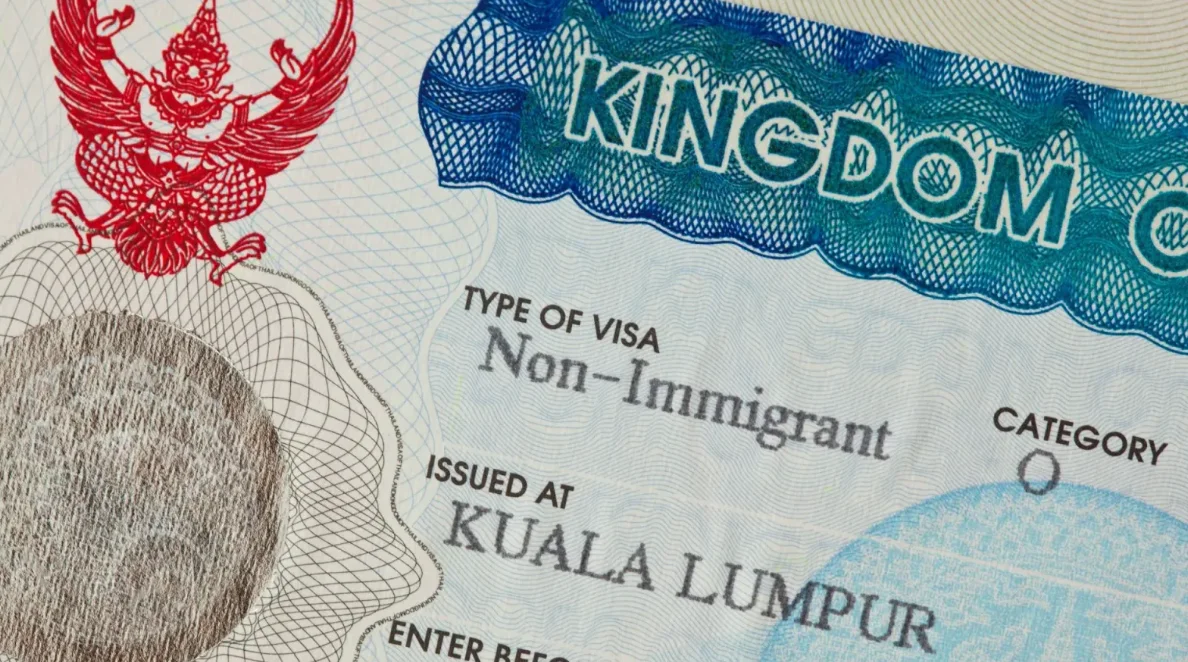
Most nationalities receive a 30-day visa exemption on arrival. If you plan to stay longer, research the tourist visa (TR) in advance, which allows 60 days with one extension possible. Visa rules change — check the Thai embassy website for your country before departure.
Overstaying your visa results in a fine (500 THB per day) and potential entry bans. Take it seriously.
Money
- ATMs are widely available but charge foreign card fees — typically 220 THB per withdrawal. Use a travel card with low or no foreign fees (Wise or similar) and withdraw in larger amounts to reduce transaction costs.
- Carry small bills. Many street stalls and tuk-tuks cannot break large notes.
- Notify your bank before traveling to avoid your card being blocked.
SIM Cards
Buy a local SIM Card at the airport on arrival. AIS, DTAC, and True Move all offer tourist SIMs with 30-day data packages starting around 299–399 THB. Having data from day one makes navigation and transport significantly easier.
Health and Safety
- Drink only bottled or filtered water. Most hostels and guesthouses provide water refill stations.
- Apply sunscreen daily, especially on islands. Heat exhaustion is a real risk.
- Carry basic medications: rehydration salts, antidiarrheals, antihistamines, and ibuprofen.
- Travel insurance is strongly advisable, particularly with adventure activities (diving, trekking, motorbike rental). Costs are low relative to what hospital care can run without coverage.
Cultural Respect
- Dress modestly when visiting temples — cover shoulders and knees. Many temple entrances rent or lend wraps.
- Remove shoes before entering temples and some businesses.
- The monarchy is held in very high regard. Avoid critical commentary about the royal family in public.
- Public displays of anger or raised voices are considered deeply impolite in Thai culture.
Motorbike Rentals
Renting motorbikes is common among backpackers, particularly in Pai, Chiang Mai, and on islands. However, accidents involving foreign tourists on rental motorbikes are frequent. If you do rent, wear a helmet, carry your international driver’s license, and check your travel insurance covers motorbike use — many standard policies do not.
How Much Does Backpacking Thailand Cost?
Budget estimates vary widely depending on travel style, but here is a realistic daily cost breakdown:
| Category | Budget Traveler | Mid Backpacker |
|---|---|---|
| Accommodation | $5–$10 (dorm) | $12–$20 (private) |
| Food | $8–$12 | $15–$22 |
| Transport | $3–$8 | $8–$15 |
| Activities | $5–$10 | $10–$20 |
| Daily Total | $21–$40 | $45–$77 |
Island destinations run higher than inland towns. Bangkok is manageable on a tight budget. Northern Thailand is generally the most affordable region overall.
A comfortable but non-extravagant backpacking trip of 3 weeks in Thailand can be done for $600–$1,000 USD total, excluding international flights.
Common Mistakes First-Time Backpackers Make in Thailand

Over-scheduling. Thailand rewards slowness. Many first-timers try to pack too many destinations into too few days and end up spending most of their trip on buses and ferries rather than actually experiencing places.
Ignoring shoulder and low season. High season prices on islands are significantly inflated. Traveling in May or early June, for example, means lower prices and fewer crowds, with only a moderate rain risk on many routes.
Trusting every “tourist information” desk. Many desks near major attractions are actually private commission-based agencies. Buy transport tickets at official bus terminals, train stations, or directly through airline apps when possible.
Not having backup cash. ATMs occasionally malfunction or run out of cash, particularly on islands. Always keep some THB in reserve.
Skipping travel insurance. It feels like an unnecessary cost until it is not. A single motorbike accident or hospital stay can cost more than the entire trip.
FAQ: Backpacking Thailand
Q: Is Thailand safe for solo backpackers?
Thailand is generally safe for solo travelers, including solo women. Standard urban precautions apply — be aware of your surroundings, avoid accepting unsolicited transport from strangers, and trust your instincts in unfamiliar situations. The vast majority of travelers complete trips without significant incident.
Q: How long should I spend in Thailand for a first backpacking trip?
Three to four weeks is enough to see a solid combination of the north and south without feeling rushed. Two weeks is manageable if you limit yourself to one region. Anything under ten days will feel very rushed for a first visit.
Q: Do I need to speak Thai to get around?
No. English is widely spoken in tourist areas, on tourist transport, and at most guesthouses and restaurants in backpacker hubs. In rural areas and local markets, communication is more gesture-based — but people are generally patient and helpful.
Q: What is the best Thailand backpacking route for beaches?
The Andaman coast (Krabi, Koh Lanta, Phi Phi, Phuket) offers the most consistently stunning coastal scenery. The Gulf side (Koh Tao, Koh Phangan, Koh Samui) is easier to combine with the north and is better for diving. Most first-timers prefer the Gulf side for convenience.
Q: Can I extend my visa while in Thailand?
Yes. A 30-day visa exemption can be extended by 30 days at any immigration office in Thailand. This costs 1,900 THB and requires your passport, a passport photo, and the completed form. Alternatively, some travelers do a “border run” — crossing into a neighboring country and returning — though immigration rules around this have tightened in recent years.
Q: What should I pack for backpacking Thailand?
Keep your pack light. Key items: lightweight quick-dry clothing, a rain jacket or poncho, reef-safe sunscreen, a microfiber towel, a padlock for hostel lockers, a reusable water bottle, and basic medications. A 40–50L backpack is sufficient for most trips.
Q: Is the Full Moon Party worth it?
It is a significant experience — tens of thousands of people on a beach, fire shows, and a generally chaotic atmosphere. Whether it is “worth it” depends entirely on your travel style. If you are going, go with friends, watch your drinks, keep valuables secured, and wear shoes (broken glass is a known hazard).
A Note on Responsible Travel in Thailand
Backpacking Thailand sustainably means being conscious of your footprint. A few principles worth keeping in mind:
- Support locally-owned guesthouses and restaurants rather than large chains where possible.
- Avoid wildlife attractions that involve physical contact with animals — elephant riding, tiger selfies, and similar activities raise serious welfare concerns.
- Respect marine environments when diving or snorkeling. Do not touch coral, and use reef-safe sunscreen.
- Bargaining is normal in markets, but extreme haggling over small amounts with vendors for whom every baht matters is worth reconsidering.
- Take your rubbish with you on islands and beaches where bins are sparse.
Final Thoughts on Backpacking Thailand
Thailand remains one of the world’s great backpacking destinations for a reason. The combination of affordability, natural beauty, cultural depth, and traveller infrastructure is genuinely hard to replicate elsewhere. But the best experiences here tend to come from slowing down, wandering off the main tourist circuit occasionally, and being willing to figure things out as you go.
Arrive with a rough plan, stay flexible, eat everything, and let the country surprise you. That is still, after all, what backpacking is for.
Plan Your Trip with Professional Support
For travelers who prefer professional guidance or customised planning, Royal Thailand Tours offers assistance with Thailand travel planning based on individual needs. Whether you need help structuring a multi-region itinerary, understanding visa requirements, or arranging specific experiences, their team can provide advisory support tailored to your travel style and timeline.


