
Navigating money matters in a foreign country can feel overwhelming, especially when you’re trying to enjoy your vacation. Whether you’re wondering if your credit card will work at street markets, how much cash to carry, or where to get the best exchange rates, understanding Thailand’s currency system before you arrive will save you time, money, and unnecessary stress.
This comprehensive guide covers everything you need to know about thailand currency, payment methods, exchange options, and practical money tips to help you travel smarter across the Land of Smiles.
Understanding Thailand Currency: The Thai Baht
The official thailand currency is the Thai Baht, abbreviated as THB and symbolized by ฿. The baht has been the country’s currency since 1897 and remains stable against major world currencies.
Thai Baht Denominations
Coins:
- 1 baht (gold-colored)
- 2 baht (gold and silver)
- 5 baht (silver with copper rim)
- 10 baht (brass-colored)
There are also 25 satang and 50 satang coins (100 satang = 1 baht), though these are rarely used in tourist transactions.
Banknotes:
- 20 baht (green)
- 50 baht (blue)
- 100 baht (red)
- 500 baht (purple)
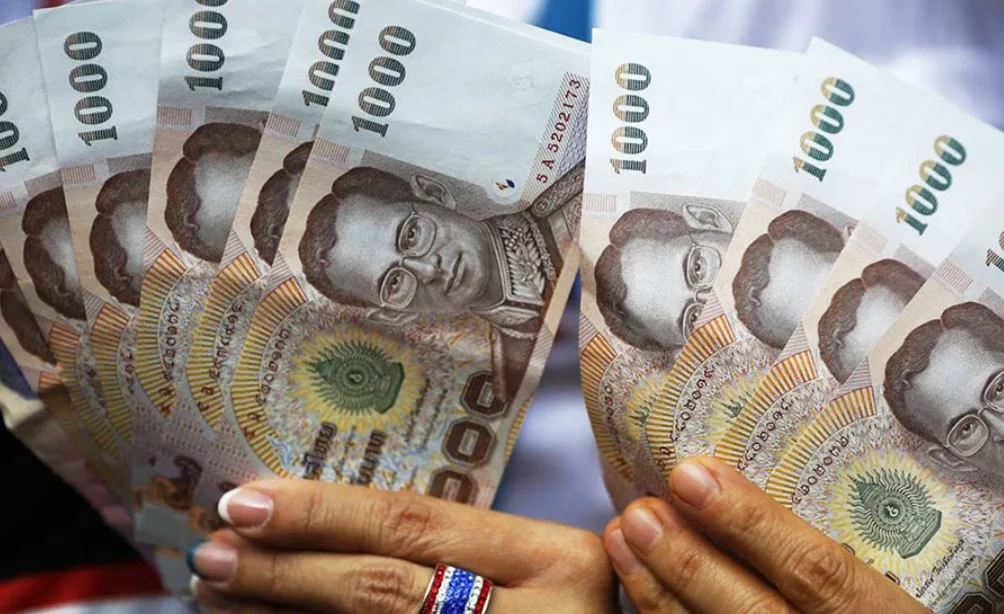
- 1,000 baht (beige/grey)
Each note features images of Thai royalty, with King Maha Vajiralongkorn appearing on newer editions. The color-coding system makes it easier for travelers to quickly identify different denominations, though it’s always wise to double-check amounts before making payments.
Current Exchange Rates (2026)
As of January 2026, approximate exchange rates are:
- 1 USD = 33-35 THB
- 1 EUR = 36-38 THB
- 1 GBP = 42-44 THB
- 1 AUD = 22-24 THB
Exchange rates fluctuate daily based on global markets. Always check current rates before exchanging large amounts, and be aware that tourist exchange booths may offer less favorable rates than banks or specialized exchange services.
Thailand Cash or Card: Which Payment Method Works Best?
One of the most common questions travelers ask is whether to rely on cash or cards in Thailand. The honest answer is: you need both, but cash remains dominant outside major tourist zones.
When Cash is Essential
Thailand remains largely a cash-based society, particularly outside Bangkok, Phuket, and other heavily touristed areas. You’ll need cash for:
- Street food vendors and local markets – Card readers are virtually non-existent at food stalls, night markets, and neighborhood eateries
- Tuk-tuks, songthaews, and motorcycle taxis – These drivers operate on cash only
- Small family-run restaurants and shops – Many local businesses outside tourist districts don’t have card machines
- Temple donations and entrance fees – Some smaller temples and local attractions only accept cash
- Island destinations and rural areas – ATMs may be limited, and card acceptance is minimal
- Bargaining situations – Having visible cash often helps negotiate better prices at markets
When Cards Work Well
Credit and debit cards are increasingly accepted in tourist-friendly establishments:
- International hotel chains and boutique resorts
- Shopping malls and department stores (Central, Terminal 21, MBK, Siam Paragon)
- Chain restaurants and international franchises
- Tour operators and travel agencies
- Convenience stores like 7-Eleven and Family Mart (though minimum amounts may apply)
- Airport shops and services
Visa and Mastercard have the widest acceptance across Thailand. American Express is accepted at higher-end establishments but with more limited coverage. Discover and other cards have minimal acceptance.
The Smart Balance Strategy
Most experienced travelers recommend carrying a mix:
- Keep 3,000-5,000 baht in cash for daily expenses
- Use cards for major purchases and hotel bills
- Have a backup card in case your primary card is declined or lost
- Keep small denominations (20, 50, 100 baht notes) for street purchases
Where to Exchange Money in Thailand: Best Options & Worst Traps

Getting good value when exchanging money in thailand requires knowing where to go and which options to avoid.
Best Exchange Options (Ranked)
1. Licensed Currency Exchange Booths (Super Rich, Vasu)
These specialized exchange services consistently offer the best rates in Thailand, often 2-3% better than banks. Super Rich (orange and green branches are separate companies but both reliable) and Vasu Exchange have multiple locations in Bangkok, particularly around tourist areas like Sukhumvit and Silom. You’ll need your passport for exchanges over certain amounts.
2. Thai Bank Counters at Airports
While airport exchanges traditionally offer poor rates, Thai bank counters at Suvarnabhumi and Don Mueang airports provide competitive rates, though slightly below specialized exchangers. They’re convenient for arriving travelers who need immediate cash for taxis or first-night expenses.
3. Commercial Banks (Bangkok Bank, Kasikorn, Siam Commercial)
Bank branches throughout Thailand offer reliable exchange services with reasonable rates. Exchange rates are posted clearly, and services are trustworthy. Banking hours are typically 9:30 AM to 3:30 PM on weekdays, though some branches in malls stay open longer.
4. ATM Withdrawals
ATMs are widespread across Thailand and offer competitive exchange rates. However, Thai banks charge a 220 baht fee per transaction for foreign cards, so withdraw larger amounts to minimize fee impact. Check with your home bank about international withdrawal fees and whether they reimburse ATM charges.
Options to Avoid
Airport exchange desks (non-bank) – Private exchange counters at airports typically offer rates 5-10% worse than city exchangers.
Hotels – While convenient, hotel exchange rates are usually poor and should only be used for emergencies.
Tourist area exchange booths advertising “no commission” – These often have terrible exchange rates that more than compensate for the waived commission.
Exchange services at beach destinations – Island and beach resort exchanges frequently offer below-market rates due to limited competition.
Pro Tips for Better Rates
Exchange larger amounts at once rather than multiple small transactions to reduce the impact of fees. Bring clean, newer bills in good condition, as damaged or very old notes may be refused or exchanged at lower rates. USD, EUR, and GBP generally get the best exchange rates compared to other currencies.
ATM Guide: Fees, Limits, and How to Minimize Costs

ATMs (called “ATM” in Thailand, pronounced the same as in English) are ubiquitous in cities and tourist areas, but understanding the fee structure helps you avoid unnecessary charges.
ATM Fee Structure
Thai bank fee: 220 baht per withdrawal (standard across all major banks as of 2026)
Your bank’s foreign transaction fee: Varies by institution, typically 2-3% of the withdrawal amount
Currency conversion fee: Your bank may add 1-3% for converting baht to your home currency
A single 10,000 baht withdrawal could cost you 220 THB + approximately 300-450 THB in additional fees from your home bank, totaling around 520-670 baht ($15-20 USD) per transaction.
Withdrawal Limits
Most Thai ATMs have a per-transaction limit of 20,000-30,000 baht, depending on the bank. Some machines, particularly Bangkok Bank ATMs in tourist areas, allow withdrawals up to 30,000 baht, helping you minimize the number of fee-incurring transactions.
Strategies to Reduce ATM Fees
Choose a fee-free travel card – Some banks and services (like Charles Schwab, certain credit unions, Revolut, Wise) reimburse international ATM fees. Research options before traveling.
Withdraw maximum amounts – Since the 220 baht fee is flat regardless of amount, taking out 30,000 baht instead of 10,000 baht reduces the fee percentage from 2.2% to 0.73%.
Decline dynamic currency conversion – When an ATM asks if you want to be charged in your home currency instead of baht, always decline. This conversion adds 5-8% in hidden fees. Always choose to be charged in the local currency (baht).
Use bank ATMs, not standalone machines – ATMs attached to bank branches are generally more reliable and secure than standalone machines in convenience stores or tourist areas.
Time your withdrawals strategically – Plan larger withdrawals to last several days rather than making frequent small withdrawals.
Reliable ATM Banks
Bangkok Bank (navy blue), Kasikorn Bank (green), Siam Commercial Bank (purple), and Krungsri Bank (yellow) all have extensive ATM networks and reliable machines. Bangkok Bank ATMs often have English-language interfaces and tend to have higher withdrawal limits.
Digital Payment Solutions: QR Codes, Mobile Banking & E-Wallets
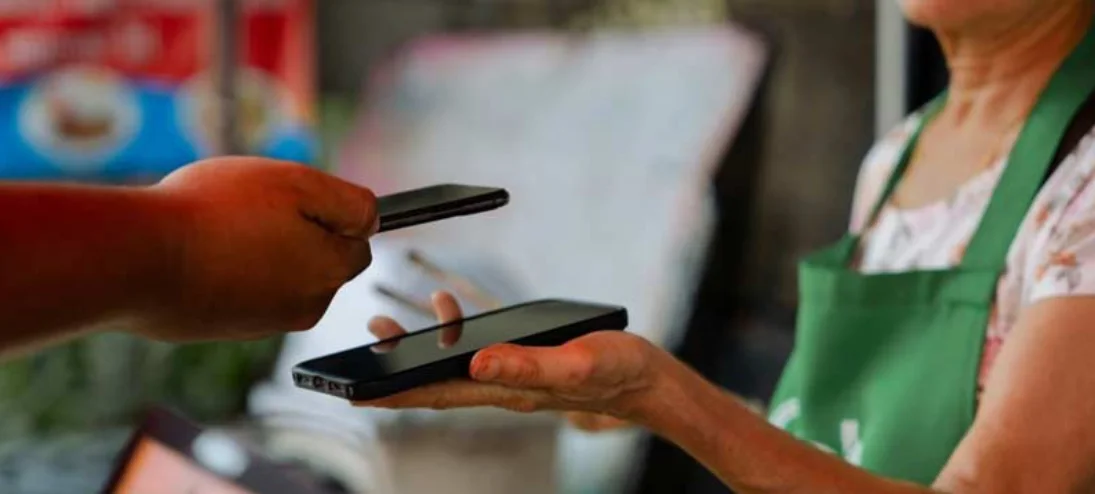
Thailand has rapidly embraced digital payment technology, particularly through PromptPay and QR code systems.
PromptPay QR Codes
PromptPay is Thailand’s national mobile payment system, integrated with Thai bank accounts and mobile numbers. While primarily used by locals, you’ll see PromptPay QR codes displayed at:
- Street food vendors and market stalls
- Small shops and cafes
- Taxi and tuk-tuk drivers (increasingly common)
- Temple donation boxes
As a tourist, you generally cannot use PromptPay unless you have a Thai bank account, though some international e-wallets are beginning to integrate with the system.
International Mobile Payment Options
Alipay and WeChat Pay are accepted at many tourist-oriented businesses, particularly those catering to Chinese travelers. Major shopping centers, hotels, and restaurants in Bangkok, Phuket, Chiang Mai, and Pattaya frequently accept these platforms.
Apple Pay and Google Pay have limited acceptance, primarily at international chains, high-end hotels, and major shopping malls. Don’t rely on these as your primary payment method.
Grab and Ride-Hailing Apps
Grab (Southeast Asia’s version of Uber) is widely used in Thai cities and accepts international credit cards through the app. This eliminates the need for cash when booking transportation and removes bargaining from the equation. Bolt is another ride-hailing option gaining traction in Bangkok.
Money Safety Tips: Avoiding Scams and Protecting Your Funds
Staying vigilant about money safety helps prevent common tourist scams and financial losses.
Common Money Scams to Watch For
Taxi meter scams – Drivers may claim the meter is broken and quote inflated flat rates. Always insist on the meter (“meter, please” or “meter, krap/ka”) or use ride-hailing apps.
Gemstone and tailor scams – Tuk-tuk drivers and friendly strangers may recommend “special” gem shops or tailors, earning hefty commissions. These businesses often overcharge dramatically.
Bar and club bill padding – Some tourist-area bars add extra items to bills or use deceptive pricing. Always check itemized bills before paying.
Short-changing – Occasionally vendors may give incorrect change, particularly with tourists unfamiliar with baht denominations. Count your change before walking away.
ATM skimming – While rare, ATM card skimmers exist. Use ATMs inside bank branches during business hours when possible, and cover the keypad when entering your PIN.
Protecting Your Money
- Keep large amounts of cash in your hotel safe, carrying only what you need for the day
- Use a money belt or hidden pouch for passports and backup cards in crowded areas
- Photograph the front and back of your credit/debit cards (store separately from the cards)
- Keep emergency contact numbers for your banks readily available
- Separate your money – don’t keep all cash and cards in one location
- Be discreet when handling money in public; avoid displaying large amounts of cash
- Use reputable ATMs inside banks rather than standalone machines on streets
What to Do If You Lose Your Card
Contact your bank immediately using their international emergency number (save this in your phone before traveling). Most major banks have 24/7 fraud departments that can freeze your card and arrange emergency replacement cards. Consider having a secondary card from a different bank as backup.
Budgeting for Thailand: How Much Money Do You Actually Need?
Daily budgets in Thailand vary dramatically based on travel style, but the country remains one of the world’s best-value destinations.
Budget Traveler (800-1,200 baht/$25-35 per day)
- Hostel dorm bed or basic guesthouse: 200-400 baht
- Street food and local restaurants: 150-300 baht
- Local transportation (buses, songthaews): 50-100 baht
- Attractions and activities: 200-300 baht
- Miscellaneous: 100-200 baht
Mid-Range Traveler (2,500-4,500 baht/$70-130 per day)
- Comfortable hotel or boutique guesthouse: 800-1,500 baht
- Mix of local restaurants and mid-range dining: 600-1,000 baht
- Combination of taxis, Grab, and public transport: 300-500 baht
- Tours, attractions, massages: 500-1,000 baht
- Shopping and extras: 300-500 baht
Luxury Traveler (6,000+ baht/$175+ per day)
- High-end hotels and resorts: 2,500-8,000+ baht
- Fine dining and upscale restaurants: 1,500-3,000 baht
- Private drivers and premium transportation: 800-1,500 baht
- Premium tours and spa treatments: 1,500-3,000 baht
- Shopping and activities: 1,000+ baht
Sample Costs for Common Expenses
| Item | Budget Option | Mid-Range Option | Luxury Option |
|---|---|---|---|
| Meal | 40-80 baht (street food) | 150-350 baht (restaurant) | 500-1,500 baht (fine dining) |
| Accommodation | 200-400 baht (hostel/basic) | 800-1,500 baht (3-star hotel) | 3,000-10,000+ baht (5-star) |
| Massage (1 hour) | 200-300 baht (local shop) | 500-800 baht (spa) | 1,500-3,000 baht (luxury spa) |
| Beer | 50-80 baht (7-Eleven) | 100-150 baht (bar) | 200-400 baht (hotel/club) |
| Taxi (5km) | 60-100 baht (meter) | 150-200 baht (Grab) | 300+ baht (hotel car) |
Remember that island destinations and popular tourist areas (Phuket, Koh Samui, Krabi) tend to be 30-50% more expensive than mainland cities.
Tipping Culture in Thailand: When, Where, and How Much
Thailand doesn’t have a strong tipping culture like Western countries, but appreciation for good service is always welcome.
Tipping Guidelines by Situation
Restaurants – At street food stalls and casual local eateries, tipping isn’t expected. At mid-range restaurants, leaving 20-40 baht or rounding up the bill is appreciated. At upscale restaurants, 10% is appropriate if service charge isn’t already included (check your bill).
Massage and spa services – Tip 50-100 baht for a standard Thai massage, 100-200 baht for longer treatments or higher-end spas.
Hotel staff – Bellboys appreciate 20-50 baht per bag. Housekeeping can be tipped 20-50 baht per day, left in the room. Concierge staff who provide exceptional assistance might receive 100-200 baht.
Taxi and Grab drivers – Tipping isn’t expected for metered taxis, though rounding up to the nearest 10 or 20 baht is common courtesy. For especially helpful drivers or longer trips, 20-40 baht is generous.
Tour guides – For day tours, 200-500 baht per person is standard depending on tour quality and duration.
General rule – If someone provides genuinely helpful service beyond their basic job requirement, a small tip is thoughtful but never obligatory.
Tax Refunds for Tourists: VAT Claims Explained
Thailand charges 7% Value Added Tax (VAT) on most goods and services. Tourists can claim refunds on qualifying purchases when departing the country.
VAT Refund Eligibility
To qualify for a VAT refund:
- Purchase at least 2,000 baht at a store displaying “VAT Refund for Tourists” signage in a single transaction
- Total purchases across all stores must exceed 5,000 baht
- Goods must be taken out of Thailand within 60 days of purchase
- You must depart from an international airport (not land borders)
How to Claim Your Refund
- Request a VAT refund form (P.P. 10 form) when making qualifying purchases and present your passport
- Keep all receipts and refund forms together
- Before checking in at the airport, visit the VAT Refund Office with your purchases, receipts, and passport
- Customs will inspect items and stamp your forms
- After passing through immigration, proceed to the VAT Refund counter to collect your refund
Refunds can be received in cash (Thai baht), credit to your credit card, or bank draft. A processing fee and administrative charges apply (typically 100 baht plus percentage-based fees).
Items commonly purchased for VAT refund
- Electronics and cameras
- Jewelry and gemstones (from reputable dealers)
- Silk products and handicrafts
- Designer clothing and accessories
The refund process can be time-consuming, so arrive at the airport with extra time before your flight if you plan to claim VAT refunds.
Frequently Asked Questions
Can I use US dollars or other foreign currencies in Thailand?
While some tourist-heavy businesses may accept US dollars or euros, the exchange rate will be very unfavorable. Always use Thai baht for transactions. Exchange your money at proper exchange services rather than paying directly in foreign currency.
Should I exchange money before arriving in Thailand or after I land?
Exchange only a small amount (50-100 USD equivalent) before departure for immediate expenses like airport transportation. You’ll get significantly better exchange rates in Thailand than in your home country. Exchange larger amounts at reputable services in Bangkok or major cities rather than at airport arrivals.
Are credit cards safe to use in Thailand?
Credit cards are generally safe at established businesses, hotels, and restaurants. However, notify your bank before traveling to avoid fraud blocks, and use chip-enabled cards when possible. Be cautious at small shops where cards are taken out of your sight for processing. Consider using cards with no foreign transaction fees.
What’s the best way to carry money while traveling in Thailand?
Use a combination of methods: keep your daily spending cash (3,000-5,000 baht) in a secure but accessible location, store larger amounts in your hotel safe, carry one primary card and one backup card from different banks, and consider a hidden money belt or pouch for passports and emergency funds in crowded tourist areas.
Do I need to declare cash when entering Thailand?
You must declare cash or monetary instruments exceeding 450,000 baht (approximately $13,000 USD) when entering Thailand. There’s no restriction on the amount you can bring, but amounts over this threshold require declaration on the customs form. Failure to declare can result in penalties.
Can I open a Thai bank account as a tourist?
Opening a Thai bank account as a short-term tourist is extremely difficult and generally not worth the effort. Most banks require a long-term visa, work permit, and proof of address in Thailand. Bangkok Bank has been known to open accounts for tourists in some branches, but policies vary and requirements are strict. For short visits, using ATMs and exchange services is far more practical.
Final Thoughts on Managing Money in Thailand
Understanding thailand currency and payment systems transforms your travel experience from stressful to seamless. While Thailand has modernized significantly, cash remains essential for authentic local experiences, from sampling incredible street food to bargaining at vibrant night markets.
The key to smart money management is preparation: research exchange options, notify your banks of travel plans, set up fee-free cards if possible, and maintain a balanced approach between cash and cards. With these strategies in place, you can focus on what truly matters—experiencing Thailand’s stunning temples, pristine beaches, delicious cuisine, and warm hospitality without constantly worrying about your wallet.
Remember that Thais appreciate respect and kindness far more than extravagant spending. A friendly smile and basic courteous behavior will enhance every financial transaction, whether you’re paying 40 baht for pad thai at a street cart or checking into a luxury resort.
Need Personalized Travel Guidance?
For travellers who prefer professional guidance or customised planning assistance, Royal Thailand Tours offers consultation services for Thailand travel planning based on individual needs and preferences. Their experienced team can help answer specific questions about itineraries, logistics, and travel arrangements tailored to your travel style.


