
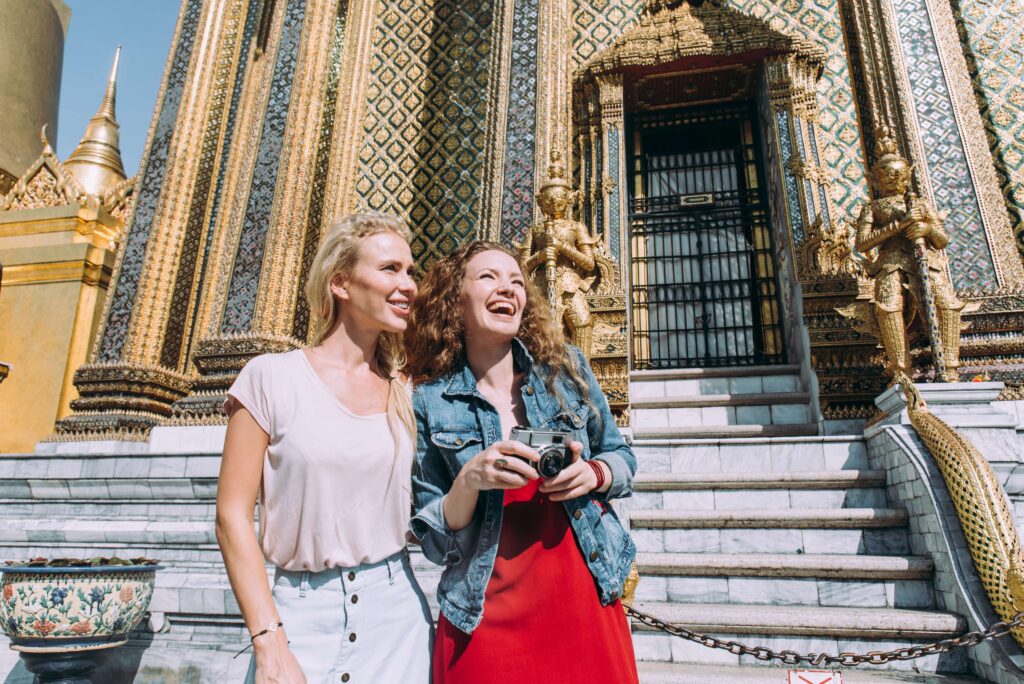
Thailand welcomes over 40 million international visitors annually, yet many first-time travellers encounter avoidable problems that diminish their experience. From transportation confusion to cultural missteps, these issues often stem from inadequate preparation rather than bad luck. Understanding common pitfalls before arrival helps travelers maximise their time, budget, and overall enjoyment in the Land of Smiles.
This guide identifies frequent Thailand travel mistakes and provides practical solutions based on real traveler experiences. Whether planning a beach holiday, cultural tour, or culinary adventure, these insights help visitors navigate Thailand more effectively while respecting local customs and making informed decisions.
Understanding Thailand Travel Mistakes Before Your Trip
Visa and Entry Documentation Errors
Many travelers arrive at Thai airports without proper documentation, creating immediate complications. Thailand offers visa-exempt entry to numerous nationalities for stays up to 30-60 days depending on arrival method, but requirements change periodically. Visitors should verify current visa policies specific to their passport nationality at least two months before departure.
Common documentation mistakes include:
- Passports with less than six months validity remaining
- Missing proof of onward travel within the permitted stay period
- Insufficient blank pages in passport for stamps
- Outdated visa information from online forums
- Confusion between visa-exempt entry and visa-on-arrival programs
Travelers should photograph all important documents and store copies separately from originals. Many immigration offices accept digital copies, though physical documents remain preferable for official transactions.
Unrealistic Itinerary Planning

First-time visitors frequently underestimate Thailand’s geographical size and transportation timeframes. The country spans approximately 514,000 square kilometers, comparable to Spain. Attempting to visit Bangkok, Chiang Mai, Phuket, and Koh Samui within one week results in exhaustion rather than enjoyment.
Thailand’s diverse regions each deserve adequate exploration time:
- Bangkok and Central Thailand: 3-4 days minimum for temples, markets, and urban culture
- Northern Thailand (Chiang Mai, Chiang Rai): 4-5 days for mountains, temples, and hill tribe villages
- Southern Islands (Phuket, Krabi, Koh Samui): 5-7 days for beach relaxation and island hopping
- Isaan (Northeast Thailand): 3-4 days for authentic rural experiences and ancient Khmer ruins
Realistic planning means selecting two or three regions maximum for trips under two weeks, allowing time for unexpected delays and spontaneous discoveries.
Ignoring Seasonal Weather Patterns
Thailand experiences three distinct seasons that significantly impact travel experiences. The cool season (November-February) offers pleasant temperatures and minimal rainfall, making it peak tourist season with higher prices and crowded attractions. The hot season (March-May) brings temperatures exceeding 35°C, while the monsoon season (June-October) features heavy rainfall, particularly affecting the Andaman coast.
Many visitors book trips without considering these patterns, leading to disappointment. The southwest monsoon affects different regions at varying intensities—while Phuket may experience daily downpours in September, Koh Samui’s weather remains relatively dry due to its Gulf of Thailand location.
Smart seasonal planning involves matching activities with appropriate weather conditions rather than assuming year-round sunshine.
Common Thailand Travel Mistakes with Money Management
Currency Exchange and ATM Issues
Airport exchange counters consistently offer poor rates, yet many travelers exchange large amounts upon arrival out of convenience. Better options include withdrawing cash from ATMs in the arrival hall after clearing immigration, using them at banks in urban areas, or bringing a small amount of US dollars or euros for exchange at reputable money changers in the city.
Thailand’s banking system charges fees for international card use:
| Fee Type | Typical Amount | Notes |
|---|---|---|
| ATM withdrawal fee | 220 THB per transaction | Charged by Thai banks |
| Foreign transaction fee | 1-3% | Charged by home bank |
| Dynamic currency conversion | 3-5% markup | Decline if offered |
Travelers should withdraw larger amounts less frequently to minimize fee impact, notify their bank of travel dates to prevent card blocks, and carry backup payment methods.
Falling for Common Scams
Tourist-targeted scams remain prevalent in major Thai cities and resort areas. Recognizing common scenarios helps visitors avoid financial losses and frustration.
Frequent scams include:
- Tuk-tuk and taxi driver “special tours”: Drivers claim major attractions are closed and offer alternative itineraries visiting gem shops or tailors paying commission
- Jet ski rental damage claims: Operators point out pre-existing damage and demand excessive compensation
- Grand Palace dress code scam: Individuals near the entrance claim improper dress and direct tourists to overpriced clothing vendors nearby
- Fake tour agencies: Unlicensed operators sell packages that never materialize or provide substandard services
- Bar bill inflation: Some entertainment venues add unauthorized charges or manipulate bills
Legitimate concerns exist, but verification prevents unnecessary expenses. The Grand Palace maintains strict dress codes, yet official staff provide inexpensive coverup rentals at the entrance rather than sending tourists elsewhere.
Misunderstanding Thai Pricing Culture
Thailand operates a dual pricing system at many tourist attractions, national parks, and some restaurants. Local residents pay one rate while foreigners pay another—sometimes double or triple. This practice frustrates many visitors who view it as discriminatory, though it reflects economic disparities and government subsidy policies.
Rather than arguing about fairness, informed travelers factor these costs into budgets. Some venues offer discounts for Thai speakers or residents with work permits, while others maintain fixed pricing regardless of negotiation attempts.
Street markets and non-metered taxis expect bargaining, but established shops with price tags do not. Understanding which situations allow negotiation prevents awkward interactions and helps secure fair prices without appearing disrespectful.
Thailand Travel Mistakes Related to Transportation

Taxi and Transportation Confusion
Bangkok’s taxi situation confounds many first-time visitors. Despite being one of the world’s most affordable cities for taxi service, tourists frequently overpay due to several common mistakes to avoid in Thailand transportation.
Meter taxis should always use the meter—the starting fare is only 35 THB. Drivers who refuse to use meters or quote flat rates typically charge 2-3 times the metered amount. When drivers refuse meter use, exit immediately and find another taxi. This happens less frequently when hailing cabs away from major tourist areas.
Alternative transportation options in Bangkok include:
- BTS Skytrain and MRT Subway: Fast, air-conditioned, and covers major districts (20-60 THB per trip)
- Grab app: Thailand’s equivalent to Uber, with upfront pricing and less driver negotiation
- Motorbike taxis: Quick for short distances but less safe (20-40 THB typically)
- Tuk-tuks: Iconic but usually more expensive than metered taxis; always negotiate price before departure
For longer distances between cities, travelers should book transportation through reputable operators rather than unofficial sellers on the street. Government buses remain the cheapest option, while VIP buses and trains offer more comfort at moderate prices.
Domestic Flight Booking Errors
Thailand’s budget airline market offers excellent value, but several mistakes to avoid in Thailand booking practices can create problems. Ultra-low fares from airlines like AirAsia, Nok Air, and Thai Lion Air exclude baggage, seat selection, meals, and even water. Adding these extras at the airport costs significantly more than advance online purchase.
Key considerations for domestic flights:
- Read baggage allowance carefully—some tickets include only 7kg cabin baggage
- Arrive early at airports; low-cost carriers enforce strict check-in cutoff times (45-60 minutes before departure)
- Verify airport location; Bangkok has two airports (Suvarnabhumi and Don Mueang) serving different carriers
- Print boarding passes when required; some airlines charge for airport printing
- Compare total costs including add-ons against trains or buses for short routes
The train journey from Bangkok to Chiang Mai takes 12-15 hours but costs less than most flights while offering a cultural experience. For travelers not rushed by time constraints, overnight trains provide both transportation and accommodation in one expense.
Cultural and Social Thailand Travel Mistakes
Inappropriate Dress and Temple Etiquette
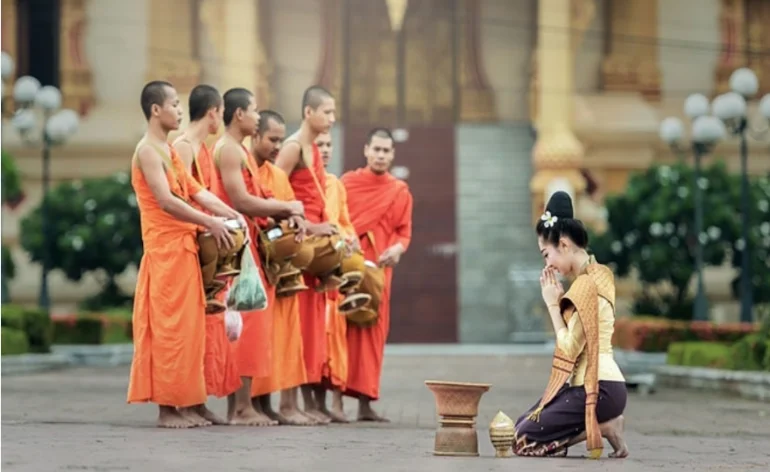
Thai temples require modest clothing covering shoulders and knees, yet tourists regularly arrive in beach attire or revealing clothing. This represents one of the most visible mistakes to avoid in Thailand regarding cultural respect. Major temples like Wat Phra Kaew enforce these rules strictly, denying entry to improperly dressed visitors.
Proper temple behavior extends beyond clothing:
- Remove shoes before entering any building containing Buddha images
- Never point feet toward Buddha statues or monks
- Avoid touching Buddha images or monks (especially for women)
- Speak quietly and refrain from loud conversations
- Ask permission before photographing monks or ceremonies
- Walk around stupas clockwise (left to right)
Religious sites serve as active worship spaces for Thai people, not merely tourist attractions. Visitors should conduct themselves with the same reverence shown in their own places of worship.
Misunderstanding Thai Social Norms
Thailand’s reputation as the “Land of Smiles” can mislead visitors into assuming unlimited tolerance for foreign behavior. Thais value respect, hierarchy, and composure, with public displays of anger considered particularly inappropriate.
Important social considerations:
- The head is sacred; avoid touching anyone’s head, including children
- Public displays of affection beyond hand-holding may offend, especially in rural areas
- Shoes should be removed when entering homes and some businesses
- Point with the full hand rather than one finger
- Pass and receive items with the right hand or both hands
- The royal family commands absolute respect; criticism or jokes about monarchy are illegal
The Thai greeting “wai” (palms together in prayer position with a slight bow) demonstrates respect. Visitors need not wai service staff but should return wais from equals or elders. Status and age determine the appropriate wai height and depth of bow.
Speaking Too Loudly or Arguing in Public
Thai culture emphasizes maintaining “cool heart” (jai yen) and saving face. Loud voices, aggressive behavior, or public arguments cause embarrassment for everyone involved and rarely produce desired outcomes. Service disputes resolve more effectively through calm, polite discussion than through confrontation.
When problems arise, smile, lower your voice, and explain the situation patiently. This approach almost always generates more cooperation than displays of frustration. Thais perceive anger as loss of self-control, diminishing respect for the angry person rather than motivating compliance with their demands.
Health and Safety Thailand Travel Mistakes
Inadequate Travel Insurance Coverage
Medical emergencies in Thailand can be expensive, particularly at international hospitals in Bangkok, Phuket, and Chiang Mai. A serious motorbike accident requiring surgery and hospitalization easily exceeds $20,000-30,000. Many travelers assume their domestic health insurance covers international travel or that they can manage expenses independently—both assumptions create financial risk.
Comprehensive travel insurance should include:
- Medical coverage of at least $100,000 for hospitalization
- Emergency medical evacuation (particularly important for island locations)
- Motorbike coverage if planning to ride (requires valid motorcycle license)
- Lost baggage and trip interruption protection
- 24-hour emergency assistance hotline
Standard policies often exclude motorbike riding or pre-existing conditions. Read policy details carefully before departure, understanding specific exclusions and coverage limits.
Motorbike Rental Without Proper License or Experience
Motorbike accidents rank among the leading causes of tourist injuries and deaths in Thailand. Many visitors rent scooters without proper licenses or riding experience, attracted by low rental rates (150-300 THB daily) and the convenience for beach-hopping or exploring mountain roads.
Reality check on motorbike risks:
- Thai law requires an international driving permit with motorcycle classification
- Most insurance policies void coverage without proper licensing
- Hospital emergency rooms in tourist areas treat multiple motorbike accidents daily
- Roads feature different traffic patterns, unexpected obstacles, and aggressive driving
- Helmets are legally required but many rentals provide substandard protection
Before renting, honestly assess riding ability. If lacking experience, hire a driver, use taxis, or choose destinations with better public transportation. For capable riders, always wear helmets, ride defensively, and avoid alcohol completely when operating any vehicle.
Ignoring Food and Water Safety

Street food represents one of Thailand’s greatest attractions, but travelers sometimes experience digestive issues from unfamiliar bacteria or poor food handling. Most street food poses minimal risk when vendors maintain high turnover and visible cooking practices, yet some precautions reduce chances of illness.
Basic food safety guidelines:
- Choose vendors with long queues of Thai customers
- Ensure food is cooked thoroughly at high temperatures
- Avoid raw vegetables unless in upscale restaurants with proper washing facilities
- Drink bottled or filtered water exclusively
- Be cautious with ice in rural areas (cities generally use industrial ice that’s safe)
- Wash hands frequently or use hand sanitizer before eating
Spicy Thai cuisine can overwhelm unaccustomed digestive systems. Build tolerance gradually rather than immediately ordering maximum spice levels. Most vendors happily adjust spice levels when requested—”mai pet” means not spicy, while “pet nit noi” requests slightly spicy.
Accommodation and Booking Thailand Travel Mistakes
Booking Based Solely on Price
Thailand offers accommodation at every price point, from $5 hostels to $1,000+ luxury resorts. The cheapest option frequently disappoints due to poor location, inadequate facilities, or misleading photos. Travelers should evaluate total value rather than price alone.
Essential considerations beyond nightly rate:
- Location relative to attractions and transportation
- Genuine guest reviews on multiple platforms
- Included amenities (WiFi, breakfast, airport transfer)
- Cancellation policies and flexibility
- Additional fees not shown in initial price
- Property age and renovation status
Photos on booking sites sometimes show renovated rooms while guests receive older accommodations. Reading recent reviews reveals actual current conditions better than promotional images. Properties with hundreds of positive reviews from the past six months provide more reliability than those with perfect ratings from only a dozen reviews.
Choosing Wrong Neighborhood in Bangkok
Bangkok’s massive size means neighborhood selection dramatically affects the visitor experience. First-time travelers often book accommodation based on price or a single attraction, not realizing they’ve chosen an area requiring hours of daily commuting.
Bangkok neighborhood overview:
- Sukhumvit: Central location, great dining, nightlife, BTS access, moderate to high prices
- Silom/Sathorn: Business district, good food scene, MRT/BTS access, quieter at night
- Khao San Road: Backpacker center, very social, lower prices, chaotic atmosphere, far from public transit
- Rattanakosin: Near major temples, cultural heart, traditional feel, limited dining options
- Riverside: Scenic Chao Phraya views, luxury hotels, less nightlife, requires boat or taxi
Each area serves different traveler types and preferences. Budget backpackers thrive on Khao San Road’s energy, while business travelers prefer Sukhumvit’s convenience. Families often choose riverside properties for space and amenities. Match neighborhood characteristics with personal travel style rather than booking the first cheap room available.
Not Reading Cancellation Policies
Non-refundable rates offer savings but eliminate flexibility when plans change. Thailand’s tropical weather, occasional political demonstrations, and personal circumstances sometimes necessitate itinerary adjustments. Booking entirely non-refundable accommodations creates risk when unexpected situations arise.
Balanced booking strategy:
- Reserve flights and first-night accommodation with flexible cancellation
- Book remaining hotels with free cancellation 2-7 days before arrival
- Accept non-refundable rates only for peak season (December-January) when prices spike
- Purchase trip cancellation insurance for expensive bookings
- Keep confirmation emails and policy details accessible
Many booking platforms offer “pay at property” options providing maximum flexibility, though rates may slightly exceed prepaid prices. This trade-off often proves worthwhile for travelers with uncertain schedules or concerns about property quality.
Activity and Experience Thailand Travel Mistakes
Overpaying for Tours and Activities

Tourist areas in Thailand feature countless tour operators, many charging significantly more than necessary for identical experiences. A standard full-day island tour might cost 3,500 THB through a hotel concierge but only 1,200 THB when booked directly with the operator or through local travel agents away from main tourist streets.
Strategies for fair tour pricing:
- Compare prices from 3-4 different vendors
- Walk away from high-pressure sales tactics
- Book through accommodation (guesthouses often have better rates than luxury hotels)
- Use reputable online platforms for reviews and competitive pricing
- Join group tours rather than private tours when solo traveling
- Skip tours for easily accessible destinations
Popular activities like visiting elephant sanctuaries, snorkeling trips, and cooking classes vary dramatically in price and quality. Ethical animal tourism costs more than elephant riding operations, but supports better treatment and conservation efforts. Research operators’ reputations before booking based on price alone.
Skipping Travel Insurance for Activities
Adventure activities—zip-lining, scuba diving, rock climbing, white water rafting—carry inherent risks that standard travel insurance may not cover without specific adventure sports riders. Medical evacuation from a Chiang Mai jungle or a remote diving location incurs substantial costs that uninsured travelers must pay directly.
Before participating in adventure sports:
- Confirm insurance coverage includes specific activities
- Verify operator maintains liability insurance and safety standards
- Check equipment quality and maintenance standards
- Ensure staff hold relevant certifications and training
- Understand emergency procedures and nearest medical facilities
Diving accidents require recompression chamber access, available at limited locations in Thailand. Divers Alert Network (DAN) insurance specifically covers diving emergencies, including chamber treatment and evacuation. Standard travel insurance excludes diving or limits coverage to recreational depths with proper certification.
Following Overcrowded Itineraries
Social media showcases Thailand’s most photographed locations, creating herding effects where tourists concentrate at the same spots simultaneously. Maya Bay, Railay Beach viewpoint, and certain Bangkok temples experience overcrowding that diminishes the experience significantly.
Alternative approach to popular destinations:
- Visit famous locations during off-peak hours (early morning or late afternoon)
- Explore lesser-known alternatives offering similar experiences
- Schedule popular attractions for weekdays rather than weekends
- Visit during shoulder season (April-May or September-October) for smaller crowds
- Spend more time in secondary cities and rural areas
Thailand contains thousands of temples, hundreds of beaches, and countless natural attractions. The most instagrammed locations represent a tiny fraction of available experiences. Travelers willing to venture beyond the standard circuit discover more authentic interactions and memorable moments.
Shopping and Souvenir Thailand Travel Mistakes
Buying Fake Designer Goods
Night markets and tourist shopping areas overflow with counterfeit luxury goods—bags, watches, clothing, and accessories. While prices seem attractive, several problems accompany these purchases.
Risks of counterfeit shopping:
- Customs officials in home countries may confiscate fake goods
- Quality usually disappoints after minimal use
- Supporting intellectual property theft and often poor labor conditions
- No recourse for defects or problems
- Potential fines if detected at international borders
Authentic Thai products—silk, handicrafts, spa products, traditional clothing—provide better value and support local artisans. Jim Thompson silk, Naraya fabric bags, and handcrafted silver from Chiang Mai represent genuine Thai craftsmanship available at reasonable prices.
Paying Tourist Prices at Markets
Markets in Thailand expect bargaining, but many visitors accept first-quoted prices or bargain ineffectively. Initial asking prices typically run 50-100% above what vendors will accept. Successful bargaining requires understanding market dynamics without becoming overly aggressive or disrespectful.
Effective bargaining approach:
- Browse multiple stalls selling similar items to establish reasonable price range
- Show genuine interest but remain willing to walk away
- Counter offer at 40-50% of asking price
- Negotiate with respect and humor
- Buy multiple items from one vendor for better pricing
- Accept that locals always receive better prices—aim for fair tourist pricing
Fixed-price shops and malls display tags indicating no bargaining. Department stores, convenience stores, and upscale boutiques maintain set prices. Street markets, night markets, and independent shops generally expect negotiation.
Shipping Purchases Home
Shipping costs from Thailand often exceed purchase prices for heavy or bulky items. Local post offices offer reasonable rates for small packages, but furniture, large artwork, or substantial amounts of goods require freight services costing hundreds or thousands of dollars.
Before purchasing large items:
- Calculate shipping costs completely before committing to purchases
- Understand customs duties in destination country
- Use reputable shipping companies with tracking and insurance
- Consider excess baggage fees as potentially cheaper alternative
- Verify import restrictions for specific items (wood products, seeds, certain foods)
Some vendors offer international shipping, but travelers should research the company’s reputation before paying for goods and shipping upfront. Scams exist where payments are collected but items never arrive.
Communication Thailand Travel Mistakes
Not Learning Basic Thai Phrases
English proficiency varies dramatically across Thailand. Major tourist areas feature widespread English, but rural regions, local markets, and smaller towns require basic Thai for effective communication. Learning fundamental phrases demonstrates respect and facilitates everyday interactions.
Essential Thai phrases:
- Sawasdee (ka/krap) – Hello (ka for women, krap for men)
- Khop khun (ka/krap) – Thank you
- Mai pen rai – No problem/you’re welcome
- Tao rai – How much?
- Phaeng maak – Too expensive
- Aroy – Delicious
- Mai pet – Not spicy
- Hong naam yuu thi nai – Where is the bathroom?
Thais appreciate attempts to speak their language, even with poor pronunciation. Effort matters more than accuracy. Translation apps help with complex communication, though internet connectivity may be limited in remote areas.
Relying Entirely on Tourist Information
Tourist information centers, hotel staff, and tuk-tuk drivers sometimes provide biased information directed toward commission-paying businesses. While often helpful, their suggestions may not represent the best options available.
Balanced information strategy:
- Cross-reference recommendations from multiple sources
- Read recent online reviews from independent travelers
- Ask locals not working in tourism industry when possible
- Use maps and research to verify claims about closures or inaccessibility
- Trust official government tourism websites for accurate information
The “temple is closed today” line frequently serves as a precursor to alternative shopping tours. Major temples operate on published schedules available online. Verifying information prevents wasted time and avoiding unwanted commercial stops.
Assuming Everyone Speaks English
Outside major tourist zones, English proficiency decreases substantially. Rural areas, local restaurants, and bus stations present language barriers that frustration or loud repetition cannot overcome. Patience and creative communication methods work better than expecting English comprehension.
Communication alternatives include:
- Translation apps with offline capability
- Pictures and pointing for food or items
- Written addresses in Thai script
- Hand gestures and body language
- Hotel business cards showing address in Thai
- Pre-learned phrases for common situations
Many Thais understand more English than they speak, experiencing hesitation due to shyness or concern about mistakes. Speaking slowly and simply—using basic vocabulary rather than complex sentences—improves comprehension significantly.
Frequently Asked Questions
What are the most common Thailand travel mistakes first-time visitors make?
First-time visitors frequently overschedule their itineraries, attempting to visit too many destinations in limited time. Other prevalent mistakes include not carrying sufficient cash (many small businesses don’t accept cards), ignoring temple dress codes, riding motorbikes without proper licenses or experience, and accepting taxi rides without insisting on meter use. Additionally, many travelers fail to research visa requirements thoroughly, leading to documentation issues upon arrival. Avoiding these basic mistakes to avoid in Thailand significantly improves the overall travel experience.
How much cash should I carry in Thailand?
Most travelers should carry 10,000-20,000 THB in cash at any given time, particularly when visiting islands, rural areas, or small towns where ATMs may be scarce and card acceptance limited. While Bangkok and major cities widely accept cards, street food vendors, local markets, tuk-tuks, and small family-run restaurants operate on cash only. ATMs dispense maximum 20,000-30,000 THB per transaction with 220 THB fees, so withdrawing larger amounts less frequently minimizes costs. Keeping cash in a money belt or hotel safe provides security while ensuring payment capability everywhere.
Is it safe to eat street food in Thailand?
Street food in Thailand is generally safe when choosing vendors with high customer turnover and visible cooking processes. Hot, freshly prepared food carries minimal risk since high temperatures kill most bacteria. Select stalls where food is cooked to order rather than sitting out for extended periods. Vendors popular with local Thai people typically maintain good food safety practices since they depend on regular customers. Start with cooked items rather than raw salads or cut fruit from unknown sources, and build tolerance gradually to avoid digestive upset from unfamiliar spices and cooking methods.
What should I do if a taxi driver refuses to use the meter?
Exit the taxi immediately and find another one. Bangkok regulations require all taxis to use meters starting at 35 THB, and drivers who refuse are attempting to overcharge. Simply say “no thank you” and find the next taxi—plenty of honest drivers operate throughout the city. This situation occurs more frequently near major tourist sites, hotels, and airports. Walking a block away from these locations often yields better results. Using the Grab app provides an alternative with upfront pricing, eliminating meter disputes entirely while maintaining comparable or lower costs.
Do I need vaccinations before traveling to Thailand?
No vaccinations are legally required for entry to Thailand from most countries, though several are recommended by health authorities. The CDC suggests travelers be up-to-date on routine vaccines including MMR, tetanus, and hepatitis A. Hepatitis B, typhoid, and Japanese encephalitis vaccinations may be advisable depending on travel duration, activities, and destinations within Thailand. Malaria risk exists in limited rural border areas but not in Bangkok, Chiang Mai, Phuket, or Koh Samui. Consult a travel medicine clinic 6-8 weeks before departure for personalised recommendations based on specific itinerary and health history.
Planning Your Thailand Journey
Thailand rewards travelers who prepare thoughtfully while remaining flexible enough to embrace unexpected opportunities. The country’s combination of ancient culture, natural beauty, and modern convenience creates experiences unavailable elsewhere in Southeast Asia. Avoiding common Thailand travel mistakes allows visitors to focus on discovery rather than problem-solving.
Successful trips balance popular attractions with authentic local experiences, structured plans with spontaneous exploration, and budget consciousness with appropriate spending on meaningful activities. Research and preparation prevent most difficulties, while cultural awareness and respectful behavior create positive interactions throughout the journey.
Understanding these mistakes to avoid in Thailand before departure provides advantages that manifest throughout every stage of travel—from smoother airport arrivals to more rewarding cultural exchanges. These insights represent distilled wisdom from countless travelers’ experiences, offering shortcuts past common frustrations toward the remarkable experiences that make Thailand one of the world’s most captivating destinations.
Need Expert Guidance for Your Thailand Journey?
For travellers who prefer professional guidance or customised planning, Royal Thailand Tours offers assistance with Thailand travel planning based on individual needs. Their experienced team helps visitors create itineraries that balance must-see attractions with authentic experiences while avoiding common pitfalls first-time tourists encounter.


