
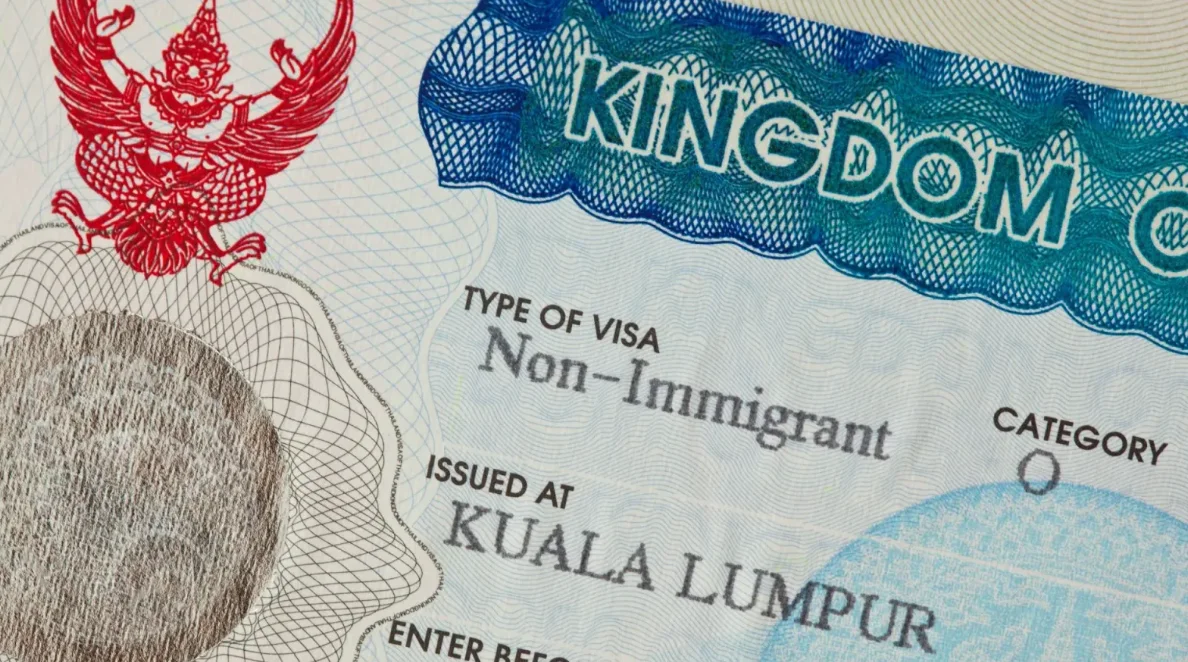
Planning a trip to Thailand involves more than booking flights and hotels—understanding the visa requirements is essential to ensure a smooth entry into the Kingdom. Thailand’s immigration policies have evolved significantly, offering various visa options depending on your nationality, intended length of stay, and purpose of visit. This comprehensive guide breaks down everything you need to know about Thailand visa requirements in 2026, helping you navigate the process with confidence.
Whether you’re planning a short beach holiday in Phuket, a cultural exploration of Chiang Mai, or an extended stay across multiple regions, knowing which visa category applies to your situation will save you time, money, and potential complications at immigration checkpoints.
Understanding Thailand Visa Requirements System
Thailand operates a tiered visa system designed to accommodate different types of travelers. The country welcomes millions of international visitors annually and has structured its immigration policies to balance tourism promotion with border security.
Visa Exemption vs. Visa on Arrival vs. Tourist Visa
These three terms often cause confusion among travelers, but they represent distinctly different entry methods:
Visa Exemption allows citizens from eligible countries to enter Thailand without applying for a visa in advance. Upon arrival, immigration stamps your passport with a permitted stay duration. As of 2026, citizens from over 60 countries enjoy visa exemption privileges, typically receiving 30 or 60 days depending on their nationality and entry point.
Visa on Arrival is available to citizens of specific countries not eligible for visa exemption. This option requires payment of a fee at the airport or land border crossing and permits a stay of up to 15 days. Countries eligible for visa on arrival include several nations from Africa, Asia, and Eastern Europe.
Thailand Tourist Visa (TR visa) must be obtained from a Thai embassy or consulate before traveling. This option suits travelers planning longer stays or those whose nationality doesn’t qualify for exemption or visa on arrival. Single-entry tourist visas typically allow 60 days, while multiple-entry options provide greater flexibility for regional travelers.
Who Needs a Visa for Thailand?
Your nationality primarily determines whether you need to apply for a Thailand tourist visa before departure.
Visa-Exempt Countries
Travelers holding passports from the following regions generally receive visa exemption:
- European Union members typically receive 60 days visa-free entry
- North American citizens (United States, Canada) receive 60 days
- Oceania passport holders (Australia, New Zealand) receive 60 days
- Selected Asian countries including Japan, South Korea, Singapore, Malaysia, and others receive varying durations between 30 and 60 days
The visa exemption scheme underwent significant updates in 2024 and 2025, with Thailand extending the permitted stay from 30 to 60 days for many nationalities to boost tourism revenue.
Countries Requiring Visa Application
Citizens from countries not included in the visa exemption or visa on arrival lists must obtain a tourist visa before traveling. This typically includes travelers from:
- Many African nations
- Several South Asian countries
- Certain Middle Eastern countries
- Some Eastern European nations
Checking the official Thai embassy website for your country provides the most current information regarding your specific requirements.
Thailand Tourist Visa Types and Validity
Understanding the different tourist visa categories helps you select the option that matches your travel plans.
Single-Entry Tourist Visa (SETV)

The most common choice for first-time visitors planning an extended stay. This visa offers:
- Validity period: 3 months from issue date to enter Thailand
- Permitted stay: 60 days from entry date
- Extension possibility: Can be extended once for an additional 30 days at Thai immigration offices
- Total maximum stay: 90 days
The single-entry tourist visa becomes void once you exit Thailand, even if you haven’t used the full 60 days. This makes it suitable for travelers with straightforward, one-time visit plans.
Multiple-Entry Tourist Visa (METV)
![Multiple-Entry Tourist Visa (METV] thailand](data:image/svg+xml;base64,PHN2ZyB4bWxucz0iaHR0cDovL3d3dy53My5vcmcvMjAwMC9zdmciIHZpZXdCb3g9IjAgMCA1MTUgMzI1IiB3aWR0aD0iNTE1IiBoZWlnaHQ9IjMyNSIgYnYtaW1nLXVybD0iaHR0cHM6Ly9yb3lhbHRoYWlsYW5kdG91cnMuY29tL3dwLWNvbnRlbnQvdXBsb2Fkcy9hbF9vcHRfY29udGVudC9JTUFHRS9yb3lhbHRoYWlsYW5kdG91cnMuY29tL3dwLWNvbnRlbnQvdXBsb2Fkcy8yMDI2LzAxL1NjcmVlbnNob3QtMjAyNi0wMS0wNC0yMDE1MzEucG5nLmJ2LndlYnAiIGJ2LXJlc2l6ZWQtaW5mb3M9Ik5EZ3dMbkJ1WnpvME9EQXFNekF6T3pneU1DNXdibWM2TlRFMUtqTXlOVHN4TlRNMkxuQnVaem8xTVRVcU16STEiPjwvc3ZnPg==)
Designed for travelers who plan to visit neighboring countries and return to Thailand multiple times. Key features include:
- Validity period: 6 months from issue date
- Permitted stay: 60 days per entry
- Multiple entries: Unlimited entries within the 6-month validity
- Extension: Each 60-day stay can be extended by 30 days
- Strategic usage: Travelers can theoretically stay up to 9 months by timing border runs correctly
The multiple-entry tourist visa particularly benefits digital nomads, regional business travelers, and those exploring Southeast Asia with Thailand as a base.
Special Purpose Visas
Beyond standard tourist visas, Thailand offers specialized categories:
- Education Visa (ED): For language schools, universities, or training programs
- Retirement Visa (O-A): For travelers aged 50 and above meeting financial requirements
- Digital Nomad Visa: Launched in 2024 for remote workers and professionals
- Medical Visa: For those receiving medical treatment in Thailand
Thailand Visa Process: Step-by-Step Application
Applying for a Thailand tourist visa has become increasingly streamlined, with many embassies now offering electronic application systems.
Required Documents
Prepare the following documentation for your visa application:
Passport Requirements
- Valid passport with at least 6 months validity beyond your intended stay
- At least two blank pages for visa stamps
- Clear, undamaged passport in good condition
Application Form
- Completed visa application form (available online or at embassy)
- One recent passport-sized photograph (usually 4×6 cm)
- Specifications vary by embassy but generally require white background
Supporting Documents
- Proof of onward travel: Return flight ticket or itinerary showing departure from Thailand
- Accommodation confirmation: Hotel bookings, rental agreements, or invitation letter
- Financial evidence: Bank statements showing sufficient funds (typically 10,000-20,000 THB per person or 40,000 THB per family)
- Employment verification: Letter from employer or business registration documents
Application Methods
In-Person Application Visit your nearest Thai embassy or consulate during designated hours. This method typically processes within 3-5 business days and allows you to ask questions directly to consular staff.
Electronic Visa Application Many Thai embassies now use the e-Visa system, allowing complete online application:
- Create an account on the Thai e-Visa website for your jurisdiction
- Complete the online application form with accurate information
- Upload required documents in specified formats (usually PDF or JPEG)
- Pay the visa fee online using credit card or approved payment methods
- Receive approval notification via email
- Print the approved visa or receive electronic authorization
The e-Visa system typically processes applications within 5-10 business days, though processing times vary by embassy and season.
Visa Fees
Thailand tourist visa fees vary by nationality and visa type:
- Single-entry tourist visa: Approximately 1,000-1,500 THB (30-45 USD)
- Multiple-entry tourist visa: Approximately 5,000 THB (150 USD)
- Visa on arrival: 2,000 THB (60 USD)
Payment methods depend on the application location—some embassies accept only cash, while e-Visa systems accept credit cards. Always verify current fees with your specific embassy, as amounts may change.
Extending Your Stay in Thailand
Many travelers discover they want to stay longer than their initial visa permits. Thailand immigration offices provide extension services throughout the country.
Tourist Visa Extension Process
Obtaining a 30-day extension on your tourist visa involves:
Where to Apply Visit any immigration office in Thailand. Major offices exist in Bangkok, Chiang Mai, Phuket, Pattaya, and other tourist centers. Arriving early in the morning reduces waiting times significantly.
Required Documentation
- Passport with current visa
- Completed TM.7 extension form (available at immigration offices)
- One passport photograph
- Extension fee of 1,900 THB (cash only)
- Copy of your passport information page, current visa, and arrival stamp
- TM.30 form (residence notification, usually provided by your hotel or landlord)
Processing Time Most extensions are processed same-day, taking 1-3 hours depending on office workload. The extension adds 30 days from your current permitted stay expiration date, not from the application date.
Extension Limitations
Be aware of these important restrictions:
- Tourist visas can typically be extended only once during each entry
- Immigration officers maintain discretion to deny extensions, particularly for travelers with extensive Thai immigration history
- Multiple back-to-back tourist visas and extensions may raise questions during subsequent entries
- Overstaying beyond your permitted date results in fines of 500 THB per day (up to 20,000 THB maximum) and potential entry bans
Entry Requirements Beyond Visas
Having the correct visa represents just one component of Thailand entry requirements. Immigration officers may verify additional criteria.
Proof of Sufficient Funds
Thai immigration law requires travelers to demonstrate financial capability to support themselves during their stay:
- Individual travelers: 10,000 THB in cash or equivalent
- Family groups: 20,000 THB in cash or equivalent
While random checks are relatively uncommon, immigration officers can request to see physical cash or accessible bank statements. Credit cards and ATM cards don’t satisfy this requirement, as the law specifically mentions cash.
Onward Travel Confirmation
Immigration may ask for evidence of your departure plans, accepting:
- Printed flight itinerary showing departure within your permitted stay
- Bus or train tickets to a neighboring country
- Confirmed ferry bookings to islands or international destinations
Airlines sometimes verify onward travel before allowing you to board flights to Thailand, making this documentation important to arrange before departure.
Travel Insurance Considerations
While not legally mandatory for standard tourist visas, travel insurance provides essential protection. Some specialized visa categories now require insurance coverage:
- Long-term visas may mandate health insurance
- During previous health crises, insurance requirements were temporarily enforced
- Comprehensive coverage protects against medical emergencies, which can be costly even in Thailand’s affordable healthcare system
Insurance that covers at least 50,000 USD in medical expenses offers reasonable protection for most travelers.
Visa Exemption Schemes and Border Runs
Understanding visa exemption nuances helps travelers maximize their time in Thailand legally and safely.
The 60-Day Visa Exemption Expansion
In 2024, Thailand extended visa exemption from 30 to 60 days for most eligible countries. This policy change recognized that modern travelers often spend longer periods exploring destinations and aimed to position Thailand competitively against other Southeast Asian nations.
The extended exemption provides several advantages:
- Eliminates visa application requirements for stays under two months
- Reduces costs associated with visa fees
- Simplifies travel planning for short to medium-term visitors
- Still allows for a 30-day extension at immigration offices, enabling 90-day total stays
Border Run Strategy and Limitations
A “border run” involves exiting Thailand to a neighboring country and immediately re-entering to receive a new visa exemption stamp. While technically legal, this practice requires understanding current enforcement trends.
How Border Runs Work Travelers exit Thailand through land borders or airports, step into Cambodia, Laos, Myanmar, or Malaysia, then return to receive fresh visa exemption status. Popular border run locations include Poipet (Cambodia), Nong Khai (Laos), and Penang (Malaysia).
Current Restrictions and Risks Thai immigration has tightened enforcement regarding back-to-back visa exemptions:
- Land border entries under visa exemption are typically limited to two per calendar year
- Travelers with extensive exemption history may face questioning or denial of entry
- Immigration officers assess whether travelers are living in Thailand on tourist status
- Denied entry results in immediate deportation to your last departure point
Legitimate Alternatives Rather than relying on repeated border runs, consider:
- Applying for appropriate long-term visas if staying extended periods
- Using multiple-entry tourist visas for legitimate regional travel
- Exploring education visas if studying Thai language or skills
- Investigating retirement or digital nomad visas if eligible
Common Visa Application Mistakes to Avoid
Many visa denials stem from preventable errors. Being aware of these common pitfalls increases approval chances.
Incomplete or Inaccurate Documentation
Every blank field in your application form requires completion, even if marked optional. Inconsistencies between your application information and supporting documents raise red flags. Double-check that:
- Passport details match exactly across all forms
- Travel dates align with your flight bookings
- Accommodation addresses are current and accurate
- Bank statements are recent (typically within 30 days)
Insufficient Financial Proof
Bank statements showing minimal balances or recent large deposits specifically for the application appear suspicious. Immigration prefers seeing consistent account activity and stable funds over several months.
Poor Quality Photographs
Many applications face delays due to photograph specifications not meeting requirements. Common issues include:
- Incorrect dimensions or sizing
- Colored or patterned backgrounds
- Wearing glasses, hats, or heavy makeup
- Blurry or pixelated images
Taking photographs at professional passport photo services ensures compliance.
Last-Minute Applications
Applying close to your departure date creates unnecessary stress and risk. Visa processing times vary, and unforeseen delays occur. Submit applications at least 4-6 weeks before travel, or 8-12 weeks during peak seasons.
Visa Requirements by Land, Air, and Sea Entry
Your entry method into Thailand affects visa procedures and policies.
Airport Entry
International airports in Bangkok (Suvarnabhumi and Don Mueang), Phuket, Chiang Mai, and other cities offer the most straightforward entry:
- All visa types accepted at airports
- Visa on arrival services available at designated counters
- Immigration processing is generally efficient and organized
- Officers rarely question legitimate tourists arriving by air
Land Border Entry
Entering Thailand through land checkpoints involves additional considerations:
- Not all borders accept visa on arrival
- Some remote borders may have limited operating hours
- Visa exemption entries by land are limited to twice per calendar year
- Border infrastructure varies significantly—major crossings are efficient while smaller posts may have longer wait times
Major land borders include Poipet-Aranyaprathet (Cambodia), Nong Khai (Laos), Mae Sai (Myanmar), and Padang Besar (Malaysia).
Maritime Entry
Some travelers arrive in Thailand by yacht, cruise ship, or ferry:
- Cruise ship passengers often receive temporary shore passes rather than formal visa stamps
- Private yacht arrivals must clear customs at designated ports
- Ferry services from Malaysia and Cambodia follow standard immigration procedures
- Check-in and check-out procedures exist at international marinas
Digital Nomads and Remote Workers
Thailand has recognized the growing digital nomad demographic and adapted visa policies accordingly.
Long-Term Resident (LTR) Visa for Remote Workers
Launched in late 2022 and refined through 2024-2025, the LTR visa targets wealthy remote professionals:
Eligibility Criteria
- Annual income of at least 80,000 USD for remote workers
- Health insurance coverage of at least 50,000 USD
- Employment with established foreign company or proven remote income
- Background check and clean criminal record
Benefits
- 10-year visa validity
- Multiple entries permitted
- 90-day reporting can be done annually instead of quarterly
- Work permit exemption for foreign employment
- Fast-track immigration lanes at airports
Destination Thailand Visa (DTV)
A more accessible option introduced in 2024 specifically for digital nomads and remote workers:
- 180-day initial stay
- Multiple entries within 5-year validity
- Simpler income requirements (typically showing 500,000 THB in bank account)
- Allows remote work for foreign employers
- Significantly less expensive than LTR visa
This visa addresses the reality that many professionals now work location-independently and spend extended periods in Thailand while maintaining foreign employment.
Visa Compliance and Overstay Consequences
Understanding the consequences of overstaying helps travelers avoid serious complications.
Overstay Penalties
Thailand enforces strict penalties for exceeding permitted stay:
Fine Structure
- 500 THB per day of overstay
- Maximum fine capped at 20,000 THB
- Fines must be paid in Thai Baht at immigration
Entry Bans
- Overstays of 90 days or more when caught: 1-year entry ban
- Overstays of 1 year or more: 3-year entry ban
- Overstays of 3 years or more: 5-year entry ban
- Overstays of 5 years or more: 10-year entry ban
Additional Consequences
- Detention in immigration facility until deportation arrangements are made
- Deportation costs paid by the overstayer
- Permanent record in Thai immigration database
- Difficulty obtaining future Thai visas
- Potential immigration issues in other countries
Voluntary vs. Involuntary Overstay
Voluntarily reporting overstay before being caught by authorities results in slightly more lenient treatment—you pay fines but typically avoid detention. Being caught during random checks, at borders, or through police encounters results in arrest, detention, and potentially harsher bans.
Special Considerations for Families and Children
Traveling with children involves additional documentation requirements.
Children’s Visa Requirements
Minors traveling to Thailand follow the same visa rules as adults:
- Children on their own passports need individual visas if required
- Children listed on parent passports (where still permitted) share the parent’s visa status
- Infants and toddlers require proper documentation regardless of age
Consent Documentation
When children travel without both parents:
- Carry notarized consent letters from the non-traveling parent
- Include both parents’ contact information
- Birth certificates help establish relationship
- Adoption papers if applicable
Thailand takes child protection seriously, and immigration may question situations where children travel without both biological parents.
Frequently Asked Questions
Can I work in Thailand on a tourist visa?
No, tourist visas strictly prohibit employment or business activities in Thailand. Working without proper authorization violates immigration law and can result in deportation, fines, and entry bans. If you need to work in Thailand, you must obtain the appropriate non-immigrant visa category and work permit. Digital nomads working remotely for foreign companies occupy a gray area, which the newer DTV visa aims to address.
How many times can I enter Thailand on visa exemption?
There is no official limit on visa-exempt entries by air, though immigration officers may question travelers with extensive exemption history suggesting they’re residing in Thailand long-term rather than genuinely visiting as tourists. Land border entries under visa exemption are limited to two times per calendar year. Officers have discretion to deny entry if they believe you’re abusing the tourist visa system.
What happens if my passport expires while I have a valid Thai visa?
Your visa becomes invalid once your passport expires, even if the visa sticker itself hasn’t reached its expiration date. You must apply for a new visa in your new passport. Some Thai embassies can transfer valid, unused visas to new passports, but policies vary. If you’re already in Thailand when renewing your passport, visit immigration to address your visa status before traveling.
Can I convert a visa exemption to a tourist visa while in Thailand?
No, you cannot convert visa-exempt status to a formal tourist visa while inside Thailand. You would need to exit the country and apply for a tourist visa at a Thai embassy or consulate abroad. However, you can extend visa-exempt status for 30 additional days at immigration offices for 1,900 THB.
Is travel insurance required for Thailand tourist visa?
Standard tourist visas don’t legally require travel insurance, though it’s highly recommended. Certain specialized visa categories, particularly long-term options and some implemented during health crises, may mandate insurance coverage. Even without requirements, medical emergencies in Thailand can be expensive for uninsured travelers, making comprehensive coverage a wise investment.
What should I do if my visa application is denied?
Visa denials should include a reason from the consular office. Common causes include incomplete documentation, insufficient financial proof, or previous immigration violations. You can typically reapply after addressing the issues that caused denial. Some embassies allow appeals, though success rates vary. If denied multiple times, consulting with an immigration attorney may help identify underlying problems.
Can I study Thai language on a tourist visa?
You can take casual, short-term language classes on a tourist visa, but enrolling in formal, long-term education programs requires an education (ED) visa. The education visa permits longer stays and is specifically designed for students attending approved schools, universities, or training programs. Studying on the wrong visa type can cause issues if discovered during visa extension or future entry attempts.
Planning Your Thailand Journey
Understanding Thailand visa requirements forms the foundation of successful travel planning. The Kingdom’s increasingly flexible visa options—from extended exemptions to specialized digital nomad visas—reflect its commitment to welcoming international visitors while maintaining immigration integrity.
Whether you qualify for visa exemption, need to apply for a tourist visa, or require specialized long-term options, starting your research early and preparing thorough documentation ensures smooth entry. Thailand’s immigration system, while bureaucratic in places, generally processes legitimate travelers efficiently.
For travelers who prefer professional guidance or need assistance navigating complex visa situations, Royal Thailand Tours offers consultation services to help clarify requirements based on your nationality, travel plans, and individual circumstances. Their expertise can be particularly valuable for multi-entry visas, extended stays, or situations requiring special documentation.