
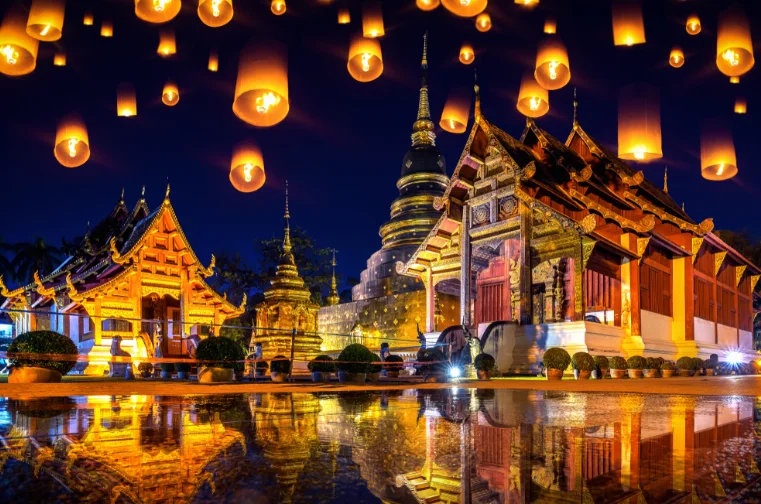
Introduction
Picture this: you’re standing at the foot of a misty mountain as the sun rises over Northern Thailand, a steaming cup of locally-grown coffee in hand, while elephants bathe peacefully in a nearby river. This isn’t a dream—it’s just another morning in Chiang Mai, Thailand.
While most travel guides focus solely on the city’s stunning temples (and yes, they’re incredible), there’s so much more to discover in this captivating destination. If you’re wondering what to do in Chiang Mai that goes beyond the typical tourist trail, you’ve come to the right place.
This comprehensive guide unveils the 15 best things to do in Chiang Mai Thailand that showcase the city’s authentic charm, natural beauty, and rich cultural experiences. Whether you’re a foodie, adventure seeker, or culture enthusiast, these things to see and do in Chiang Mai will transform your visit into an unforgettable journey through Northern Thailand’s most enchanting city.
1. Experience Ethical Elephant Encounters at Sanctuaries

When it comes to things to do in Chiang Mai, visiting an ethical elephant sanctuary ranks at the top for animal lovers and conscious travelers.
Why This Experience Matters
Unlike traditional elephant riding operations, sanctuaries in Chiang Mai Thailand prioritize elephant welfare. These rescued gentle giants roam freely, bathe naturally, and interact with visitors on their own terms.
Top Ethical Sanctuaries:
- Elephant Nature Park – The pioneer of ethical elephant tourism
- Elephant Jungle Sanctuary – Small group experiences with rescued elephants
- Boon Lott’s Elephant Sanctuary – Intimate overnight experiences
What You’ll Do
- Feed elephants their favorite treats (bananas, sugarcane, pumpkins)
- Walk alongside them through jungle terrain
- Help bathe elephants in natural mud pits and rivers
- Learn about elephant behavior and conservation efforts
Insider Tip: Book at least 2-3 weeks in advance, especially during peak season (November-February). Morning sessions offer cooler temperatures and more active elephants.
Cost: 2,000-3,500 THB per person ($55-$95 USD)
2. Get Lost in the Vibrant Night Markets

No list of things to do in Chiang Mai Thailand is complete without exploring the legendary night markets that transform the city after sunset.
The Must-Visit Markets
Sunday Walking Street (Thapae Gate to Ratchadamnoen Road)
- Time: Every Sunday, 4 PM – 10 PM
- What to expect: Over 1 kilometer of handicrafts, street food, and live performances
- Best for: Authentic Northern Thai souvenirs and cultural immersion
Saturday Night Market (Wualai Road)
- Time: Every Saturday, 4 PM – midnight
- Specialty: Silverware, woodcarvings, and traditional textiles
- Local secret: Less crowded than Sunday market but equally authentic
Night Bazaar (Chang Klan Road)
- Time: Every night, 6 PM – midnight
- Highlights: Three floors of shopping, food courts, and entertainment
- Perfect for: Bargain hunting and late-night snacking
What to Buy
- Hand-woven textiles and silk scarves
- Handmade soaps and aromatherapy products
- Northern Thai handicrafts (wood carvings, ceramics)
- Vintage clothing and unique jewelry
Pro Tip: Bring cash, as many vendors don’t accept cards. Start with offering 40-50% of the asking price when bargaining.
3. Take a Thai Cooking Class with Market Tour
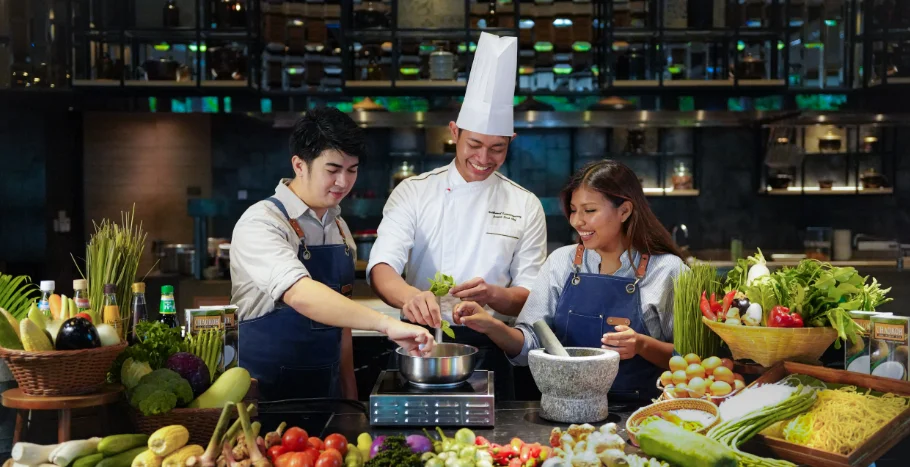
Learning to cook authentic Thai cuisine is one of the most rewarding things to see and do in Chiang Mai that you’ll take home with you.
Why Chiang Mai for Cooking Classes?
Chiang Mai Thailand is considered the culinary capital of Northern Thailand, with unique dishes like Khao Soi (curry noodles) and Sai Oua (Northern Thai sausage) that differ from Southern Thai cuisine.
Top-Rated Cooking Schools:
- Thai Farm Cooking School – Organic farm setting with market tour
- Asia Scenic Thai Cooking School – Riverside location with traditional recipes
- Mama Noi’s Cookery School – Small groups, personalized attention
What You’ll Learn
- How to select fresh ingredients at local markets
- Preparing curry paste from scratch using mortar and pestle
- Balancing the four essential Thai flavors (sweet, sour, salty, spicy)
- Cooking 5-7 traditional dishes including:
- Pad Thai or Pad See Ew
- Green, Red, or Massaman Curry
- Tom Yum Soup
- Mango Sticky Rice
Duration: 4-6 hours (including market visit)
Cost: 1,000-1,500 THB ($27-$40 USD)
Bonus: You’ll receive a recipe booklet to recreate dishes at home!
4. Conquer the Sticky Waterfalls (Bua Thong Waterfalls)

Among the most unique things to do in Chiang Mai, climbing the grippy limestone Sticky Waterfalls offers an experience you won’t find anywhere else in Thailand.
What Makes These Waterfalls Special?
Located in Sri Lanna National Park, about 60km north of Chiang Mai Thailand, these waterfalls feature porous limestone that’s incredibly grippy—even when wet. You can literally walk straight up the cascading water without slipping!
Key Details:
- Local name: Nam Phu Chet Si (Seven-Colored Fountain)
- Height: Multi-tiered cascades up to 100 meters
- Best time: Morning (7 AM – 10 AM) for fewer crowds and better lighting
- Entry fee: 100 THB for foreigners
Tips for Your Visit
- Wear a swimsuit under your clothes
- Bring water shoes or go barefoot (flip-flops don’t work)
- Pack waterproof bag for phones and valuables
- Visit on weekdays for a more peaceful experience
How to Get There:
- Rent a scooter (200-300 THB/day) – Most adventurous option
- Join a day tour (800-1,200 THB) – Convenient with guide
- Hire private taxi (1,500-2,000 THB round trip) – Most comfortable
5. Explore the Art and Design Scene at Nimmanhaemin

When considering what to do in Chiang Mai for contemporary culture, the trendy Nimmanhaemin district (locally called “Nimman”) is where creativity thrives.
Why Nimman is Special
This hipster neighborhood contrasts beautifully with Old City temples, offering a glimpse into modern Thai creativity and international influences in Chiang Mai Thailand.
Must-Visit Spots:
MAYA Lifestyle Shopping Center
- Modern mall with rooftop garden and cinema
- Co-working spaces and trendy cafes
- Air-conditioned escape during hot afternoons
Think Park
- Container village with boutique shops
- Vintage fashion and handmade accessories
- Instagram-worthy industrial design
One Nimman
- Newest lifestyle complex with 40+ shops
- Architectural beauty blending traditional Lanna with modern design
- Excellent restaurants and craft cocktail bars
Café Culture
Nimman boasts some of Thailand’s best specialty coffee shops:
- Ristr8to – Award-winning latte art, coffee lab atmosphere
- Graph Café – Minimalist design, exceptional espresso
- Cheevit Cheeva – Hidden garden café with organic menu
Best for: Digital nomads, design enthusiasts, coffee aficionados, and anyone seeking modern Thai urban culture.
6. Witness Sunrise from Doi Suthep-Pui National Park
Watching the sunrise over Chiang Mai Thailand from the mountains is undoubtedly one of the most breathtaking things to do in Chiang Mai.
Top Sunrise Viewpoints
Doi Suthep Mountain
- Elevation: 1,676 meters
- View: Panoramic vista of Chiang Mai city
- Access: 30-minute drive from Old City
- Arrive by: 5:30 AM
Doi Pui Viewpoint
- Higher elevation with less crowds
- Cooler temperatures (bring a jacket!)
- Traditional Hmong villages nearby
Mon Cham (Royal Agricultural Station)
- 40km from city center
- Strawberry fields and flower gardens
- Popular with Thai tourists on weekends
Planning Your Sunrise Adventure
Transportation Options:
- Scooter rental: Most flexible, 200-300 THB/day (experience required)
- Red Songthaew taxi: Negotiate 400-600 THB for early morning trip
- Organized tour: 600-1,000 THB including breakfast and multiple stops
What to Bring:
- Light jacket or sweater (10-15°C cooler than city)
- Camera with low-light capability
- Flashlight or headlamp for pre-dawn hiking
- Hot coffee from your hotel in a thermos
Insider Secret: After sunrise, visit Wat Phra That Doi Suthep temple nearby before the tour buses arrive (opens at 6 AM). You’ll have the sacred space almost to yourself.
7. Adventure Through the Jungle on Ziplines
For thrill-seekers wondering what to do in Chiang Mai Thailand for an adrenaline rush, the jungle zipline courses deliver unforgettable aerial adventures.
Best Zipline Operations
Flight of the Gibbon
- The original and most famous zipline in Chiang Mai
- 33 platforms, longest zipline: 800 meters
- Located in Mae Kampong forest
- Conservation focus supporting gibbon rehabilitation
- Cost: 3,699 THB ($100 USD)
Skyline Adventure
- 24 platforms with 18 ziplines
- Includes sky bridges and spiral staircases
- Great for families with older children (minimum age 4)
- Cost: 2,499 THB ($68 USD)
Eagle Track Zipline
- Newer operation with state-of-the-art equipment
- Rappelling and jungle trekking included
- Smaller groups for personalized experience
- Cost: 2,200 THB ($60 USD)
What to Expect
- Duration: 3-4 hours in the canopy
- Safety: International standards, double-harness systems
- Fitness level: Moderate (you’ll climb stairs between platforms)
- Includes: Hotel pickup, lunch, insurance, photos/videos
Best Time: November-February for cooler, less humid conditions.
8. Unwind at Hidden Waterfalls and Natural Pools
Beyond the famous Sticky Waterfalls, Chiang Mai Thailand hides numerous pristine waterfalls perfect for swimming and relaxation.
Secret Swimming Spots
Mae Sa Waterfall
- 10 tiers to explore, about 30 minutes from city
- Picnic areas and easy trails
- Less touristy than other locations
- Entry: 100 THB
Huay Kaew Waterfall
- Right at the edge of the city (base of Doi Suthep)
- Perfect for afternoon dips
- Local families’ favorite weekend spot
- Entry: Free
Mork Fa Waterfall
- 1 hour drive northeast of Chiang Mai
- Multi-level cascades with natural slides
- Bring food for picnic—limited vendors
- Entry: 20 THB
Grand Canyon Chiang Mai (Water Park)
- Not a natural waterfall but worth mentioning
- Former quarry turned aqua park
- Cliff jumping, inflatable obstacle course
- Entry: 50 THB (equipment rental extra)
Safety Tips:
- Avoid waterfalls during rainy season (June-October) – flash floods possible
- Bring reef-safe sunscreen to protect ecosystems
- Wear water shoes – rocks can be slippery
- Keep valuables secured or leave in your vehicle
9. Discover Hill Tribe Villages and Cultural Heritage
Exploring Northern Thailand’s indigenous hill tribe communities is among the most culturally enriching things to see and do in Chiang Mai.
Ethical Hill Tribe Tourism
Important Note: Choose tours that practice ethical tourism—no human zoos, fair compensation for communities, and cultural respect.
Main Hill Tribes in Chiang Mai Region:
- Karen – Largest group, known for traditional weaving
- Hmong – Famous for intricate embroidery and silverwork
- Akha – Distinctive headdresses adorned with coins and beads
- Lahu – Skilled hunters and musicians
- Lisu – Colorful traditional dress and animist beliefs
Recommended Experiences
Doi Pui Hmong Village
- Easily accessible from Doi Suthep
- Purchase authentic textiles directly from artisans
- Beautiful mountain views and coffee plantations
- Can be done independently without tour
Mae Kampong Village
- Traditional Karen village with homestay options
- Tea plantations and coffee farms
- Ziplining through ancient rainforest
- Community-based tourism model
Ban Tong Luang Eco-Agricultural Village
- Three hill tribes in one location (Karen, Lahu, Palong)
- Educational experience about sustainable farming
- Controversial among some travelers—research before visiting
Responsible Tourism Guidelines:
- Ask permission before photographing people
- Purchase crafts directly from makers
- Don’t give candy or money to children
- Dress modestly and respectfully
- Learn basic greetings in their language
10. Cycle Through Rice Paddies on a Countryside Bike Tour
For a peaceful way to experience rural Chiang Mai Thailand, cycling through traditional farming villages offers authentic glimpses into local life.
Best Cycling Routes and Tours
Mae Rim Valley Route
- Distance: 25-35 km (mostly flat)
- Highlights: Organic rice farms, lotus ponds, mountain backdrop
- Stops: Local temples, family-run businesses, fruit orchards
- Difficulty: Easy to moderate
Doi Saket Loop
- Distance: 40 km (some hills)
- Features: Traditional Northern Thai houses, roadside markets
- Best for: Intermediate cyclists who enjoy light climbing
What Makes Countryside Cycling Special
Unlike bus tours, cycling allows you to:
- Stop spontaneously when something catches your eye
- Feel the breeze through rice paddies
- Chat with local farmers and villagers
- Smell frangipani flowers and cooking fires
- Experience the peaceful rhythm of rural Thailand
Tour Inclusions (Typical):
- Mountain bike or e-bike rental
- Helmet and safety gear
- English-speaking guide
- Lunch at a local home or farm
- Hotel pickup/drop-off
- Cost: 1,200-1,800 THB ($33-$49 USD)
DIY Option: Rent a bike in Old City (100-200 THB/day) and cycle east toward San Kamphaeng district. Download offline maps and enjoy the freedom!
Best Time: Early morning (6-7 AM start) to avoid midday heat.
11. Attend a Muay Thai Fight or Training Session
Experiencing Thailand’s national sport is one of the most exhilarating things to do in Chiang Mai for culture and sports enthusiasts alike.
Where to Watch Authentic Muay Thai
Thapae Boxing Stadium
- Schedule: Monday, Thursday, Saturday at 9 PM
- Atmosphere: Tourist-friendly with English commentary
- Ticket prices: 400-600 THB ringside seats
- Location: Near Thapae Gate in Old City
Kawila Boxing Stadium
- More local atmosphere, less touristy
- Schedule: Wednesday and Saturday evenings
- Cheaper tickets: 200-300 THB
- Authentic betting culture (observe, don’t participate if unfamiliar)
Train Like a Fighter
Several gyms in Chiang Mai Thailand welcome beginners for drop-in classes or multi-day training camps:
Lanna Muay Thai
- Beginner-friendly with patient instructors
- Day pass: 400 THB
- Weekly unlimited: 2,500 THB
- Private lessons available
Santai Muay Thai
- Traditional gym with accommodation
- Training camps: 1 week to 1 month
- Includes: 2 sessions daily, meals, lodging
- Cost: From 8,000 THB/week
Hong Thong Muay Thai
- Local gym where champions train
- Authentic experience, less tourism-focused
- Drop-in: 300 THB
What to Expect in Training:
- Warm-up: Running, skipping rope, shadowboxing
- Technique: Punches, kicks, knees, elbows on pads
- Conditioning: Core work and strength training
- Cool-down: Stretching and clinch practice
Bring: Athletic clothes, hand wraps (can rent), water bottle, towel, and determination!
12. Pamper Yourself with Traditional Thai Massage and Spa Treatments
After all these adventures, relaxation is essential! Thai massage and spa treatments are affordable things to do in Chiang Mai Thailand that provide authentic wellness experiences.
Understanding Thai Massage
Traditional Thai massage differs from Western massage:
- Performed fully clothed on floor mat
- Combines acupressure, stretching, and yoga-like poses
- Focuses on energy lines (sen) throughout the body
- Can be intense—communicate your comfort level
Top-Rated Massage and Spa Spots
Women’s Massage Center by Ex-Prisoners
- Social enterprise training formerly incarcerated women
- Professional, compassionate service
- Traditional Thai massage: 200 THB/hour
- Oil massage: 250 THB/hour
- Multiple locations throughout Chiang Mai
Fah Lanna Spa
- Luxury spa experience at mid-range prices
- Beautiful Lanna-style wooden buildings
- Signature treatments using local herbs
- 2-hour package: 1,800 THB
Lila Thai Massage
- Another social enterprise supporting vulnerable women
- Excellent value and professional therapists
- Traditional massage: 200-250 THB/hour
- Six convenient locations
Oasis Spa
- Premium luxury experience
- Private treatment suites with gardens
- Romantic couples’ packages available
- 3-hour premium package: 3,500+ THB
Spa Etiquette Tips
- Book appointments in advance (especially November-February)
- Arrive 10-15 minutes early
- Remove shoes before entering
- Tip 50-100 THB for good service (not mandatory but appreciated)
- Communicate pressure preferences—”bao bao” means gentle
Insider Recommendation: Schedule massage for late afternoon after day’s activities, then enjoy a leisurely dinner.
13. Shop for Handicrafts at Baan Kang Wat Artist Village
One of the most charming yet lesser-known things to see and do in Chiang Mai is visiting this artistic community hidden in plain sight.
What is Baan Kang Wat?
Located in a converted temple community, Baan Kang Wat (which means “village next to the temple”) is a creative enclave where artisans live, work, and sell their creations.
What You’ll Find:
- Handcrafted ceramics and pottery studios
- Independent clothing designers and tailors
- Natural soap and skincare makers
- Vintage furniture and home décor
- Specialty coffee roasters
- Art galleries featuring local painters and sculptors
Why It’s Special
Unlike commercial markets in Chiang Mai Thailand, this is a true working artist community where you can:
- Watch artisans creating their crafts
- Commission custom pieces
- Have genuine conversations with makers
- Support independent artists directly
- Enjoy the peaceful, garden-like atmosphere
Standout Shops:
- The Barn – Vintage clothing and antiques
- Pornchai Pottery – Beautiful handthrown ceramics
- Onn Organic – Natural skincare made with local ingredients
- Ponganes – Contemporary Thai fashion design
Practical Information:
- Location: About 15 minutes south of Old City
- Hours: Most shops open 10 AM – 6 PM (some closed Monday)
- Entrance: Free
- Best visited: Weekday afternoons for quieter experience
- How to get there: Red songthaew (30 THB), Grab/Bolt taxi (80-100 THB)
Coffee Break: Ponganes Café serves excellent coffee in a beautiful wooden building surrounded by lily ponds.
14. Experience the Magic of Yi Peng Lantern Festival
If your timing aligns, witnessing the Yi Peng Lantern Festival is undoubtedly one of the most magical things to do in Chiang Mai Thailand.
When and What is Yi Peng?
Date: Usually in November (dates vary with lunar calendar—typically coincides with Loi Krathong)
2026 Dates: Check closer to October for exact dates
Yi Peng is Northern Thailand’s ancient Lanna tradition of releasing illuminated paper lanterns (khom loi) into the night sky, creating a breathtaking spectacle of thousands of floating lights.
Types of Yi Peng Events
Free Public Release (City-wide)
- Happens spontaneously throughout the city
- Completely free to participate
- Buy lanterns from street vendors (50-100 THB)
- Best spots: Along Ping River, Thapae Gate, Old City moat
Organized Mass Release Events
- Mae Jo University – Massive organized event
- Thousands of lanterns released simultaneously
- Tickets: 3,000-8,000 THB (book months in advance)
- Includes: Lantern, ceremony, monks’ blessings, cultural performances
Cao Phraya Complex – Smaller, more intimate paid event
- Better photo opportunities with fewer crowds
- Tickets: 4,000-6,000 THB
Important Considerations
Pros of Visiting During Yi Peng:
- Once-in-a-lifetime visual spectacle
- Deep cultural and spiritual significance
- Amazing photography opportunities
- Electric festival atmosphere throughout city
Cons to Consider:
- Accommodation prices triple or quadruple
- Must book hotels 6+ months in advance
- Extreme crowds in popular areas
- Flight and tour prices significantly higher
Cultural Respect: The lantern release represents letting go of negativity and making wishes. Participate respectfully with sincere intentions.
Environmental Note: Traditional lanterns are made from rice paper and bamboo (biodegradable), but the environmental impact is debated. Locals collect fallen lanterns the next day.
15. Join a Monk Chat and Learn About Buddhism
One of the most enlightening yet free things to do in Chiang Mai is participating in a monk chat—a unique opportunity unavailable in most countries.
What is a Monk Chat?
Monk Chat programs invite travelers to have informal conversations with Buddhist monks who want to practice English while sharing their culture, beliefs, and daily life.
Where to Find Monk Chats
Wat Suan Dok
- Schedule: Monday, Wednesday, Friday from 5-7 PM
- Location: Large temple west of Old City
- Format: Small groups gather under covered pavilions
- Free, donations welcome
Wat Chedi Luang
- Schedule: Daily from 9 AM – 6 PM
- Location: Historic temple in heart of Old City
- Format: Drop in anytime during hours
- Free
Monk Chat Online (initiated from Chiang Mai)
- Some temples now offer video chats
- Great for those who can’t visit in person
Topics You Can Discuss
Monks are usually happy to discuss:
- Daily life in the monastery
- Buddhist philosophy and meditation practices
- Thai culture and traditions
- How they became monks
- Differences between Buddhism and other religions
- Even everyday topics like food, music, or sports!
Respectful Behavior Guidelines
Dress Code:
- Cover shoulders and knees
- Remove shoes before entering temple buildings
- Avoid revealing or tight clothing
Interaction Rules:
- Women should not touch monks or hand items directly (place on table)
- Sit with feet pointed away from Buddha images
- Speak respectfully but naturally—they’re friendly!
- It’s okay to ask questions—they expect curiosity
Photography:
- Always ask permission before taking photos
- No selfies with monks unless they specifically offer
What to Bring: Notebook if you want to remember wisdom shared, small donation if you wish (50-100 THB is appreciated but not expected).
Expert Tips for Planning Your Chiang Mai Adventure
After covering these incredible things to do in Chiang Mai Thailand, here are insider tips to maximize your experience:
Best Time to Visit
Peak Season (November – February)
- Pros: Comfortable temperatures (15-25°C), minimal rain, Yi Peng festival
- Cons: Higher prices, more tourists, need advance bookings
Hot Season (March – May)
- Pros: Fewer tourists, lower prices, Songkran water festival (April)
- Cons: Extremely hot (35-40°C), burning season causes air pollution (March-April)
Rainy Season (June – October)
- Pros: Greenest landscapes, lowest prices, authentic local experience
- Cons: Afternoon rain showers, some outdoor activities affected
How Many Days Do You Need?
- 3-4 days: Hit major highlights from this list
- 5-7 days: Comfortable pace with day trips included
- 2+ weeks: Experience like a local, explore surrounding provinces
Money-Saving Tips
- Eat where locals eat: Street food meals cost 40-80 THB vs. 200-400 THB in tourist restaurants
- Rent a scooter: 200-300 THB/day saves money on taxis and provides freedom
- Book activities directly: Often 20-30% cheaper than through hotels
- Use red songthaews: Shared taxis cost 30-40 THB vs. 150-200 THB for private rides
- Visit free attractions: Many temples, markets, and natural areas have no entrance fee
Getting Around Chiang Mai
Within Old City:
- Walk—it’s compact and pedestrian-friendly
- Rent a bicycle (50-100 THB/day)
Around Greater Chiang Mai:
- Scooter: 200-300 THB/day (international license required)
- Red Songthaew: Shared pickup trucks, 30-40 THB per person
- Grab/Bolt: Ride-hailing apps (like Uber), very affordable
- Tuk-tuk: Convenient but negotiate price before getting in
Packing Essentials
- Lightweight, modest clothing (covering shoulders/knees for temples)
- Comfortable walking shoes (you’ll walk a lot!)
- Reef-safe sunscreen and insect repellent
- Light rain jacket (even in dry season for waterfalls)
- Reusable water bottle (many refill stations)
- Universal power adapter (Type A, B, C, or O plugs)
Pros and Cons: What to Know About Chiang Mai Thailand
Advantages
✅ Affordability – Significantly cheaper than Bangkok or islands
✅ Cultural Richness – Authentic Northern Thai traditions preserved
✅ Natural Beauty – Mountains, waterfalls, and forests within reach
✅ Food Scene – Exceptional quality at low prices
✅ Digital Nomad Infrastructure – Excellent cafés, coworking, fast WiFi
✅ Friendly Locals – Genuine Northern Thai hospitality
✅ Walkable Old City – Compact historic center easy to explore
✅ Year-Round Destination – Something to enjoy every season
Challenges
⚠️ Air Pollution – Severe during burning season (March-April)
⚠️ Tourist Crowds – Popular spots get busy November-February
⚠️ Limited Public Transport – Need scooter, taxi, or tour for distant sites
⚠️ Aggressive Vendors – Some market sellers can be pushy
⚠️ Scooter Accidents – Common among inexperienced riders
⚠️ Unethical Tourism – Some elephant camps and tours exploit animals
⚠️ Inconsistent English – Outside tourist areas, communication can be challenging
Frequently Asked Questions (FAQs)
1. What are the top things to do in Chiang Mai besides visiting temples?
The best things to do in Chiang Mai Thailand beyond temples include visiting ethical elephant sanctuaries, exploring vibrant night markets like Sunday Walking Street, taking Thai cooking classes with market tours, climbing the unique Sticky Waterfalls, cycling through countryside rice paddies, experiencing the jungle on zipline courses, and pampering yourself with affordable Thai massages. These activities showcase the diverse culture, nature, and adventure that make Chiang Mai special.
2. How many days should I spend in Chiang Mai?
For a comprehensive experience of the things to see and do in Chiang Mai, plan for at least 4-5 days. This allows you to explore Old City temples, take a day trip to elephant sanctuaries or waterfalls, enjoy cooking classes and night markets, and still have time to relax with spa treatments. If you want a more leisurely pace or plan to take multiple day trips to surrounding areas, 7-10 days is ideal.
3. What is the best time to visit Chiang Mai Thailand?
The best time to visit Chiang Mai Thailand is November through February during the cool, dry season when temperatures range from 15-25°C (59-77°F). This period offers the most comfortable weather for outdoor things to do in Chiang Mai like cycling, hiking, and exploring waterfalls. However, this is peak tourist season with higher prices. Avoid March-April due to severe air pollution from agricultural burning. The rainy season (June-October) offers lower prices and lush landscapes, though expect afternoon showers.
4. Is Chiang Mai safe for solo travelers?
Yes, Chiang Mai Thailand is very safe for solo travelers, including women traveling alone. The city has low violent crime rates and locals are generally helpful and friendly. However, take standard precautions: avoid poorly lit areas at night, watch your belongings in crowded markets, be cautious when renting scooters (accidents are the biggest safety risk), and choose reputable tour operators for activities like ziplining. Many solo travelers find Chiang Mai one of the easiest and safest cities in Southeast Asia.
5. How much money do I need per day in Chiang Mai?
Daily budgets for Chiang Mai Thailand vary by travel style:
- Budget travelers: 800-1,200 THB ($22-33 USD) – Street food, hostels, free activities, songthaews
- Mid-range travelers: 2,000-3,500 THB ($55-95 USD) – Good restaurants, 3-star hotels, paid activities, taxis
- Luxury travelers: 5,000+ THB ($135+ USD) – Fine dining, boutique hotels, private tours, spa treatments
Most things to do in Chiang Mai like night markets, temples, and waterfalls are either free or cost under 300 THB. Major expenses are accommodations and organized activities like elephant sanctuaries or cooking classes.
6. Do I need to rent a scooter in Chiang Mai?
While not absolutely necessary, renting a scooter provides the most freedom for exploring what to do in Chiang Mai Thailand at your own pace. The Old City is walkable, but many attractions like waterfalls, mountain viewpoints, and countryside villages require transportation. Alternatives include hiring red songthaews (shared taxis), using Grab/Bolt ride-hailing apps, or joining organized tours. Only rent a scooter if you’re an experienced rider—Chiang Mai traffic can be challenging, and accidents are common among tourists. Always wear a helmet and carry your international driving permit.
7. What should I wear in Chiang Mai?
For Chiang Mai Thailand, pack lightweight, breathable clothing suitable for hot weather, but ensure you have options that cover shoulders and knees for temple visits. Recommended items include:
- Loose cotton or linen pants/skirts
- T-shirts and modest tops
- Light cardigan or scarf (for cool mountain mornings and temple coverage)
- Comfortable walking shoes
- Sandals for casual wear
- Swimsuit for waterfalls
- Light rain jacket (year-round)
The dress code is more conservative than beach destinations, especially when visiting temples and rural areas. Avoid shorts, tank tops, and revealing clothing at religious sites.
8. Can I use credit cards in Chiang Mai, or do I need cash?
While credit cards are accepted at hotels, shopping malls, and upscale restaurants in Chiang Mai Thailand, cash (Thai Baht) is essential for most things to do in Chiang Mai. Street food vendors, night markets, songthaews, small tour operators, massage parlors, and rural attractions typically only accept cash. ATMs are widely available throughout the city and offer reasonable exchange rates. Bring a no-foreign-transaction-fee card if possible. It’s wise to carry 2,000-3,000 THB in cash daily for meals, transportation, and activities.
Conclusion: Your Unforgettable Chiang Mai Adventure Awaits
From feeding rescued elephants in their natural habitat to floating lanterns into the night sky, from conquering limestone waterfalls to mastering the art of Thai curry—these 15 best things to do in Chiang Mai Thailand showcase why this Northern city captivates millions of travelers annually.
Unlike the beach party atmosphere of Southern Thailand or the urban intensity of Bangkok, Chiang Mai offers something different: a perfect blend of cultural authenticity, natural beauty, adventure activities, and modern conveniences that make it ideal for every type of traveler.
Whether you’re exploring ancient temples in the morning, learning to cook Pad Thai at midday, cycling through rice paddies in the afternoon, and browsing night markets in the evening—every moment in Chiang Mai Thailand reveals new layers of this fascinating destination.
The things to see and do in Chiang Mai extend far beyond what we’ve covered here. Each neighborhood, each hidden alley, and each conversation with locals adds depth to your experience. The city rewards curiosity, respect for culture, and willingness to venture off the beaten path.
Ready to Experience Chiang Mai?
Plan your Thailand trip with Royal Thailand Tours today! Our expert local guides can customize your Chiang Mai itinerary to include these incredible experiences and hidden gems known only to locals. From ethical elephant encounters to exclusive cultural experiences, we’ll help you discover the authentic heart of Northern Thailand.
Contact Royal Thailand Tours to start planning your unforgettable Chiang Mai Thailand adventure. Whether you’re traveling solo, with family, or with friends—let us handle the details while you focus on creating memories that will last a lifetime.
What to do in Chiang Mai is no longer a question—it’s an invitation to one of Southeast Asia’s most enchanting destinations. The mountains are calling, the elephants are waiting, and your perfect Thai adventure begins now! 🏔️🐘🇹🇭


