
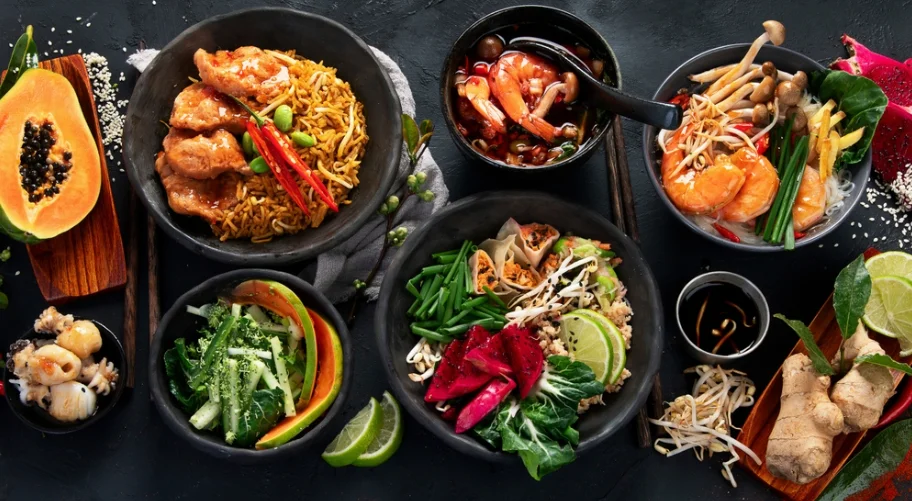
Introduction: Why Thai Cuisine in Thailand is a Journey Worth Taking
Picture this: you’re walking through the bustling streets of Bangkok at sunset, and the air is thick with the intoxicating aroma of lemongrass, chili, and coconut milk. Street vendors are grilling skewers, stirring massive woks, and ladling steaming bowls of noodle soup. This is Thai cuisine in Thailand at its most authentic—a sensory explosion that tells the story of centuries-old traditions, royal influences, and regional diversity.
Thai cuisine isn’t just food; it’s an art form that balances sweet, sour, salty, and spicy in every bite. Whether you’re savoring Bangkok cuisine at a street-side stall or indulging in royal Thai cuisine at a historic restaurant, each dish reveals the soul of Thai culture. In this comprehensive guide, we’ll take you through the top 10 must-try dishes of Thai cuisine in Thailand, complete with insider tips, regional variations, and where to find the most authentic versions. Get ready to transform your Thailand trip into an unforgable culinary adventure.
1. Pad Thai: Thailand’s Iconic Stir-Fried Noodle Masterpiece

Pad Thai stands as the unofficial ambassador of Thai cuisine, and for good reason. This stir-fried rice noodle dish perfectly embodies the balance that Thai Thai cuisine is famous for—sweet tamarind, tangy lime, savory fish sauce, and a hint of chili heat.
What Makes Authentic Pad Thai Special
The best Pad Thai features thin rice noodles stir-fried over high heat with eggs, tofu or shrimp, bean sprouts, and chives. It’s finished with crushed peanuts, a wedge of lime, and often served with banana blossom and additional dried chili flakes on the side.
Key ingredients in traditional Pad Thai:
- Rice noodles (sen lek)
- Tamarind paste for that signature tangy sweetness
- Fresh prawns or chicken
- Preserved turnip for umami depth
- Palm sugar for caramelization
Where to Find the Best Pad Thai
While you’ll find Pad Thai everywhere from Bangkok’s Khao San Road to Phuket’s beaches, the most authentic versions come from family-run stalls that have perfected their recipe over decades. In Bangkok cuisine circles, Thip Samai is legendary for their Pad Thai wrapped in a thin egg crepe.
Pro Tip: The secret to restaurant-quality Pad Thai is high heat and speed. The entire cooking process takes less than 3 minutes, creating that coveted “wok hei” or breath of the wok flavor.
2. Tom Yum Goong: The Aromatic Hot and Sour Soup

Tom Yum Goong represents the heart of Thai cuisine in Thailand—bold, complex, and utterly unforgettable. This hot and sour soup loaded with prawns has become one of the world’s most recognized Thai dishes, and tasting the authentic version in Thailand is a revelation.
The Flavor Profile of Tom Yum
The magic of Tom Yum lies in its aromatic broth, which combines lemongrass, galangal, kaffir lime leaves, fish sauce, lime juice, and bird’s eye chilies. The result is a soup that’s simultaneously spicy, sour, salty, and slightly sweet.
Essential Tom Yum ingredients:
- Fresh river prawns (goong)
- Galangal root (similar to ginger but more citrusy)
- Lemongrass stalks
- Kaffir lime leaves for aromatic oils
- Nam prik pao (Thai chili paste) for depth
- Fresh lime juice added at the end
Tom Yum Variations Across Thailand
In Bangkok, you’ll find two main styles: clear Tom Yum (Tom Yum Nam Sai) and creamy Tom Yum (Tom Yum Nam Khon) made with evaporated milk or coconut milk. Southern regions tend to make their Tom Yum spicier, while northern versions might be milder with more herbs.
Expert Insight: The quality of Tom Yum depends heavily on the freshness of the seafood and herbs. Always look for restaurants where you can see fresh ingredients being prepared.
3. Green Curry (Gaeng Keow Wan): The Crown Jewel of Thai Curries
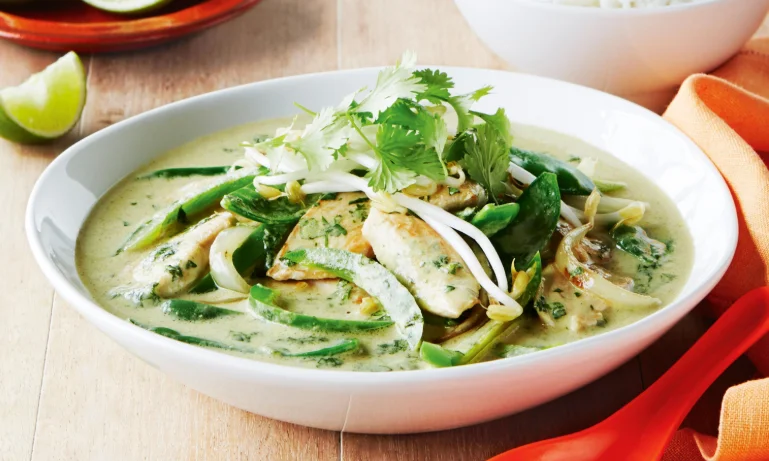
When exploring Thai cuisine, you cannot miss Green Curry, arguably the most beloved curry in Thai Thai cuisine. This dish showcases the sophistication of Thai cooking, where curry pastes made from scratch create layers of flavor impossible to replicate with store-bought alternatives.
Understanding Green Curry’s Complexity
Green Curry gets its vibrant color from fresh green chilies and is traditionally made with chicken, Thai eggplant, bamboo shoots, and sweet basil. The curry paste—made by pounding together green chilies, lemongrass, galangal, shrimp paste, and spices—is cooked with coconut cream until fragrant before adding coconut milk and meat.
Traditional Green Curry components:
- Homemade green curry paste (kreung gaeng keow wan)
- Coconut cream for richness
- Thai eggplant (small, round, and slightly bitter)
- Sweet Thai basil leaves
- Palm sugar and fish sauce for balance
- Kaffir lime leaves for aroma
Green Curry in Royal Thai Cuisine
Royal Thai cuisine elevates Green Curry to an art form. Palace recipes often include specific cuts of meat carved into decorative shapes and a more refined balance of flavors. If you visit Bangkok, restaurants like Ruen Mallika specialize in royal Thai cuisine preparations.
4. Som Tam: The Addictive Green Papaya Salad

Som Tam is the dish that introduced the world to the bold, funky flavors of Thai cuisine in Thailand. This green papaya salad from northeastern Thailand (Isaan) has become a staple of Bangkok cuisine and is served at virtually every Thai restaurant.
The Art of Making Som Tam
Traditional Som Tam is made by pounding shredded green papaya in a large mortar and pestle with tomatoes, long beans, peanuts, dried shrimp, chilies, garlic, lime juice, fish sauce, and palm sugar. The pounding technique is crucial—it bruises the papaya, helping it absorb the dressing.
Som Tam variations you should try:
- Som Tam Thai: The standard version with peanuts and dried shrimp
- Som Tam Poo: With fermented crab (intense and funky)
- Som Tam Lao: Laotian-style with fermented fish sauce (pla ra)
- Som Tam Fruit: Made with green mango or green apple instead
Health Benefits and Cultural Significance
Som Tam is incredibly healthy—low in calories, high in vitamins, and packed with probiotics if made with fermented ingredients. In Thai culture, it’s considered cooling despite the heat, making it perfect for tropical climates.
Insider Tip: When ordering Som Tam, specify your desired spice level. “Pet noi” means a little spicy, while “pet maak” means very spicy. Most tourists underestimate Thai spice tolerance!
5. Massaman Curry: The Persian-Influenced Thai Treasure

Massaman Curry stands apart in Thai cuisine with its unique blend of Thai and Persian influences, reflecting Thailand’s historical trade routes. This rich, mildly spiced curry is often considered the most accessible entry point for those new to Thai Thai cuisine.
What Makes Massaman Curry Unique
Unlike the bright, zingy flavors of other Thai curries, Massaman is warm, sweet, and aromatic with cinnamon, cardamom, and star anise. It’s traditionally made with beef or chicken, potatoes, peanuts, and onions, simmered until the meat is fall-apart tender.
Key Massaman Curry characteristics:
- Massaman curry paste with Middle Eastern spices
- Coconut milk and tamarind for richness and tang
- Roasted peanuts for texture
- Potatoes (unusual in Thai curries)
- Palm sugar and fish sauce for sweet-salty balance
Massaman Curry in Royal Thai Cuisine Tradition
This curry has deep connections to royal Thai cuisine. Legend says it was created for Persian merchants visiting the Thai royal court in the 17th century. Today, upscale Thai restaurants serve refined versions using premium cuts of beef and homemade curry pastes aged for depth of flavor.
Where to experience authentic Massaman: Central Thailand, particularly Bangkok and Ayutthaya, serves the most traditional versions. Look for restaurants that slow-cook their curry for at least 3-4 hours.
6. Pad Krapow Moo Saap: The Holy Basil Stir-Fry Thai People Eat Daily

While tourists often focus on Pad Thai and curries, Pad Krapow Moo Saap (stir-fried minced pork with holy basil) is what Thai people actually eat regularly. This dish exemplifies everyday Thai cuisine in Thailand—quick, intensely flavored, and absolutely satisfying.
The Authentic Pad Krapow Experience
Real Pad Krapow uses holy basil (krapow), not sweet basil. The difference is significant—holy basil has a peppery, almost clove-like flavor that’s essential to the dish. Minced pork is stir-fried with chilies, garlic, soy sauce, and oyster sauce, then finished with a handful of holy basil leaves. It’s traditionally served over rice with a fried egg on top (kai dao).
Essential elements of perfect Pad Krapow:
- Fresh holy basil leaves (not Thai sweet basil)
- Ground pork, chicken, or seafood
- Bird’s eye chilies for heat
- Garlic and shallots
- Dark soy sauce for color and depth
- A perfectly fried crispy-edged egg
Why This Dish Defines Thai Street Food Culture
Pad Krapow is the quintessential lunch dish in Bangkok cuisine culture. Office workers, students, and laborers all order this at street stalls for a quick, affordable meal. The speed of preparation (under 5 minutes) and the punch of flavor make it perfect for busy Bangkok life.
Cultural Note: Thais judge a restaurant by their Pad Krapow. If they can’t make this simple dish perfectly, nothing else matters.
7. Khao Soi: Northern Thailand’s Creamy Coconut Curry Noodles

Khao Soi represents the distinct regional variation within Thai cuisine, originating from Chiang Mai in northern Thailand. This curry noodle soup showcases Burmese and Chinese influences, creating something uniquely Northern Thai.
Understanding Khao Soi’s Complex Layers
Khao Soi features egg noodles in a rich, creamy curry broth topped with crispy fried noodles, pickled mustard greens, shallots, lime, and chili oil. The contrast between the soft boiled noodles and crunchy fried noodles creates an addictive textural experience.
Traditional Khao Soi includes:
- Fresh and fried egg noodles
- Coconut milk-based curry broth
- Chicken or beef braised until tender
- Turmeric-heavy curry paste
- Pickled cabbage for acidity
- Chili oil, shallots, and lime wedges as condiments
Best Places to Experience Authentic Khao Soi
While Khao Soi has become popular in Bangkok, the most authentic versions are still found in Chiang Mai. Khao Soi Khun Yai and Khao Soi Lamduan Faham are legendary spots where recipes have been passed down through generations.
Regional Tip: Northern Thai cuisine tends to be less spicy and sweeter than central or southern Thai food, making it very approachable for international palates.
8. Moo Ping: The Addictive Grilled Pork Skewers

Moo Ping might seem simple, but these grilled pork skewers represent the soul of Thai street food. Marinated in a secret blend of garlic, coriander root, palm sugar, fish sauce, and white pepper, then grilled over charcoal, Moo Ping delivers incredible flavor in every bite.
The Secret to Perfect Moo Ping
The best Moo Ping uses pork shoulder or neck, which has enough fat to stay juicy during grilling. The meat is marinated overnight, skewered, and grilled fresh throughout the day. Street vendors constantly baste the skewers with coconut cream while grilling, creating a caramelized, slightly charred exterior.
What makes Moo Ping irresistible:
- Fatty cuts of pork that stay moist
- Overnight marination for deep flavor
- Charcoal grilling for smokiness
- Coconut cream basting
- Served with sticky rice (khao niao)
Moo Ping in Thai Food Culture
Moo Ping is breakfast food for many Thai workers, sold from carts near bus stops and train stations. In Bangkok cuisine neighborhoods, you’ll find vendors grilling dozens of skewers every morning, and the smell alone will draw you in.
Pro Tip: Always buy Moo Ping from vendors with a constant stream of customers. High turnover means fresh grilling all day long.
9. Gaeng Daeng (Red Curry): The Versatile Thai Classic

Red Curry is the middle child of Thai curries—not as mild as Massaman, not as intense as Green Curry, but perfectly balanced and incredibly versatile. This curry is a staple in Thai Thai cuisine and adapts beautifully to different proteins and vegetables.
Red Curry’s Flavor Foundation
Red Curry gets its color from dried red chilies, which also contribute a deeper, earthier heat compared to Green Curry’s fresh brightness. The curry paste includes galangal, lemongrass, kaffir lime zest, shrimp paste, and spices, all pounded together to release their essential oils.
Classic Red Curry combinations:
- Duck Red Curry (Gaeng Ped Pet Yang) – a royal Thai cuisine favorite
- Pork or beef Red Curry with bamboo shoots
- Roasted duck with lychees and pineapple
- Vegetarian versions with tofu and vegetables
Red Curry in Bangkok Cuisine
Bangkok restaurants excel at Red Curry preparations, often offering both traditional home-style versions and refined restaurant interpretations. The balance between coconut cream richness and curry paste complexity is what separates good Red Curry from exceptional.
Cooking Insight: Authentic Red Curry curry paste should be fried in coconut cream (not oil) until fragrant and the oil separates. This technique, called “kracking the coconut cream,” intensifies flavors dramatically.
10. Mango Sticky Rice (Khao Niao Mamuang): Thailand’s Iconic Sweet Finale

No exploration of Thai cuisine in Thailand is complete without Mango Sticky Rice. This beloved dessert combines sweet sticky rice cooked in coconut milk with perfectly ripe mangoes and is finished with a drizzle of sweet coconut cream and a sprinkle of mung beans.
The Art of Perfect Mango Sticky Rice
Great Khao Niao Mamuang depends on three factors: perfectly cooked sticky rice that’s tender but not mushy, ripe Thai mangoes (the Namdokmai variety is preferred), and properly balanced coconut sauce that’s sweet and salty.
Essential components:
- Glutinous sticky rice (khao niao)
- Coconut milk, sugar, and salt mixture
- Perfectly ripe, sweet Thai mangoes
- Coconut cream sauce thickened with rice flour
- Toasted mung beans or sesame seeds
Seasonal Considerations for Mango Sticky Rice
Peak mango season in Thailand runs from March to June, when Mango Sticky Rice is at its absolute best. During this time, mangoes are abundantly sweet, affordable, and available everywhere. Off-season versions use imported or preserved mangoes and can’t quite match the perfection of seasonal offerings.
Sweet Tip: Some vendors offer variations with durian, jackfruit, or other tropical fruits, but purists insist nothing beats classic mango. Try both and decide for yourself!
Expert Tips for Experiencing Thai Cuisine in Thailand
Navigate Like a Local
Understanding Thai cuisine goes beyond just eating—it’s about knowing when, where, and how to eat. Thai people eat 4-5 small meals throughout the day rather than three large ones. Street food is freshest during morning (6-9am) and evening (5-8pm) rush hours.
Essential etiquette tips:
- Use a spoon as your primary utensil (fork pushes food onto spoon)
- Chopsticks are only for noodle soups
- Taste before adding additional condiments
- Sharing is standard—order multiple dishes for the table
- Never point your feet at anyone or step over food
Spotting Authentic Thai Restaurants
Not all restaurants serving Thai Thai cuisine are created equal. Look for establishments where Thai people are eating, menus have Thai script (not just romanized text), and you can see the kitchen or food preparation area.
Red flags to avoid:
- Pictures of every dish on the menu (sign of tourist traps)
- Empty restaurants in otherwise busy areas
- Staff who don’t speak Thai
- Prices significantly higher than neighboring restaurants
Understanding Regional Thai Cuisine Differences
Thai cuisine in Thailand varies dramatically by region. Northern food (like Khao Soi) is milder and influenced by Burma and China. Northeastern (Isaan) food is spicy and funky with fermented ingredients. Central Thai (including Bangkok cuisine) is balanced and refined. Southern cuisine is the spiciest, with more seafood and Malaysian influences.
Pros and Cons of Thai Cuisine Experiences
Advantages of Authentic Thai Cuisine
Incredible flavor complexity: Thai cuisine achieves balance that’s hard to find elsewhere, with sweet, sour, salty, and spicy perfectly harmonized in most dishes.
Affordability: Even world-class Thai Thai cuisine remains surprisingly affordable, especially at street stalls and local restaurants where exceptional meals cost $2-5.
Health benefits: Many Thai dishes are naturally healthy, packed with herbs and vegetables, using minimal oil (except coconut milk-based dishes), and incorporating anti-inflammatory ingredients like turmeric, ginger, and galangal.
Variety and accessibility: From royal Thai cuisine to street food, there’s something for every budget and preference, with vegetarian options widely available.
Challenges for International Visitors
Spice intensity: Authentic Thai cuisine is spicier than most Western palates expect. What Thais consider “mild” might still be quite hot for unaccustomed diners.
Ingredient unfamiliarity: Fermented fish sauce, shrimp paste, and preserved items might be off-putting initially, though most develop a taste for these flavors.
Hygiene concerns: While food safety is generally good, street food hygiene standards differ from Western expectations. Most visitors adjust fine, but sensitive stomachs should be cautious.
Language barriers: Outside major tourist areas, English menus are rare, making ordering challenging without translation apps or pointing.
Frequently Asked Questions About Thai Cuisine in Thailand
What makes Thai cuisine in Thailand different from Thai food in other countries?
Thai cuisine in Thailand uses fresh, local ingredients that are often impossible to source elsewhere—from specific varieties of Thai basil and chilies to palm sugar and authentic fish sauce. Thai restaurants abroad typically adapt recipes to local tastes, reducing spice levels and altering flavor balances. Additionally, authentic Thai Thai cuisine includes regional specialties and street food dishes rarely found in international Thai restaurants. The cooking techniques, especially the high-heat wok cooking and use of charcoal grills, create flavors difficult to replicate outside Thailand.
Is Thai cuisine suitable for vegetarians and vegans?
Yes, Thai cuisine offers excellent options for vegetarians and vegans, though you must communicate clearly. Many dishes traditionally contain fish sauce or shrimp paste, but can be made with soy sauce substitutions (ask for “jae” food, which is vegan). Bangkok and tourist areas have numerous vegetarian and vegan restaurants. Popular vegetarian-friendly dishes include Pad Thai Jae, vegetable Green Curry with tofu, Som Tam without dried shrimp, and various stir-fried vegetable dishes. Buddhist vegetarian restaurants (raan ahaan jae) serve completely plant-based Bangkok cuisine options.
Which Thai dishes are best for beginners who can’t handle spicy food?
Several Thai cuisine dishes are naturally mild or can be ordered without chilies. Massaman Curry is the mildest Thai curry, while Pad Thai, Chicken with Cashew Nuts (Gai Pad Med Mamuang), Thai Fried Rice (Khao Pad), and Mango Sticky Rice are all beginner-friendly options. When ordering, say “mai pet” (not spicy) or “pet nit noi” (little spicy). Most restaurants accommodate spice preferences, though some dishes like Som Tam lose their character without heat. Royal Thai cuisine restaurants typically offer more refined, less aggressively spiced versions of classic dishes.
What’s the best way to experience royal Thai cuisine?
Royal Thai cuisine represents the pinnacle of Thai culinary refinement, developed in royal palaces over centuries. To experience it, visit specialized restaurants in Bangkok like Ruen Mallika, Bussaracum, or The Dining Room at The Siam Hotel. These establishments serve elaborate dishes with intricate presentations, using premium ingredients and time-intensive techniques. Royal Thai cuisine emphasizes subtle flavors, artistic presentations, and dishes like Mieng Kham (betel leaf wraps), Khao Chae (rice in jasmine-scented water), and various carved vegetable presentations. Expect to pay significantly more than street food, but the experience showcases Thai Thai cuisine at its most sophisticated.
When is the best time to visit Thailand for food experiences?
Thailand is a year-round destination for Thai cuisine in Thailand, but certain periods offer unique advantages. March through June is peak mango season, perfect for Mango Sticky Rice. November through February offers the most comfortable weather for street food exploration and food festivals. The Vegetarian Festival (usually October) provides unique plant-based Bangkok cuisine experiences. Avoid major holidays like Songkran (mid-April) when many restaurants close. For the widest variety and best prices, visit during shoulder seasons (April-May, September-October) when tourist crowds are smaller but restaurants remain fully operational.
Conclusion: Your Thai Cuisine Adventure Awaits
Thai cuisine in Thailand represents one of the world’s most sophisticated and accessible food cultures. From the complex balance of royal Thai cuisine to the bold, addictive flavors of street food, every dish tells a story of cultural exchange, regional pride, and culinary mastery. The top 10 must-try dishes we’ve explored—Pad Thai, Tom Yum Goong, Green Curry, Som Tam, Massaman Curry, Pad Krapow, Khao Soi, Moo Ping, Red Curry, and Mango Sticky Rice—offer just a glimpse into the incredible depth of Thai Thai cuisine.
Whether you’re wandering through Bangkok’s bustling street food markets, savoring refined dishes in Chiang Mai, or discovering regional specialties in lesser-known provinces, Thailand’s food scene will transform how you think about flavor, balance, and culinary tradition. Each bite connects you to centuries of history and the passionate cooks who keep these traditions alive.
Ready to embark on your authentic Thai culinary journey? Plan your Thailand trip with Royal Thailand Tours today! Our expertly curated food tours take you beyond tourist traps to the hidden gems where locals eat, ensuring you experience the most authentic Thai cuisine in Thailand. From Bangkok cuisine street food adventures to royal Thai cuisine dining experiences, we’ll craft an unforgettable gastronomic journey tailored to your taste preferences and dietary needs. Don’t just visit Thailand—taste it, savor it, and let it change you. Contact Royal Thailand Tours now and start planning your delicious adventure!


